Nvidia Makes Inroads into Intel, AMD Territory in Supercomputers
-
 Loading...
 - Kathrine Palmer
- 22 May 2023
- 75 Views
- 0 Like
- 0 Comment
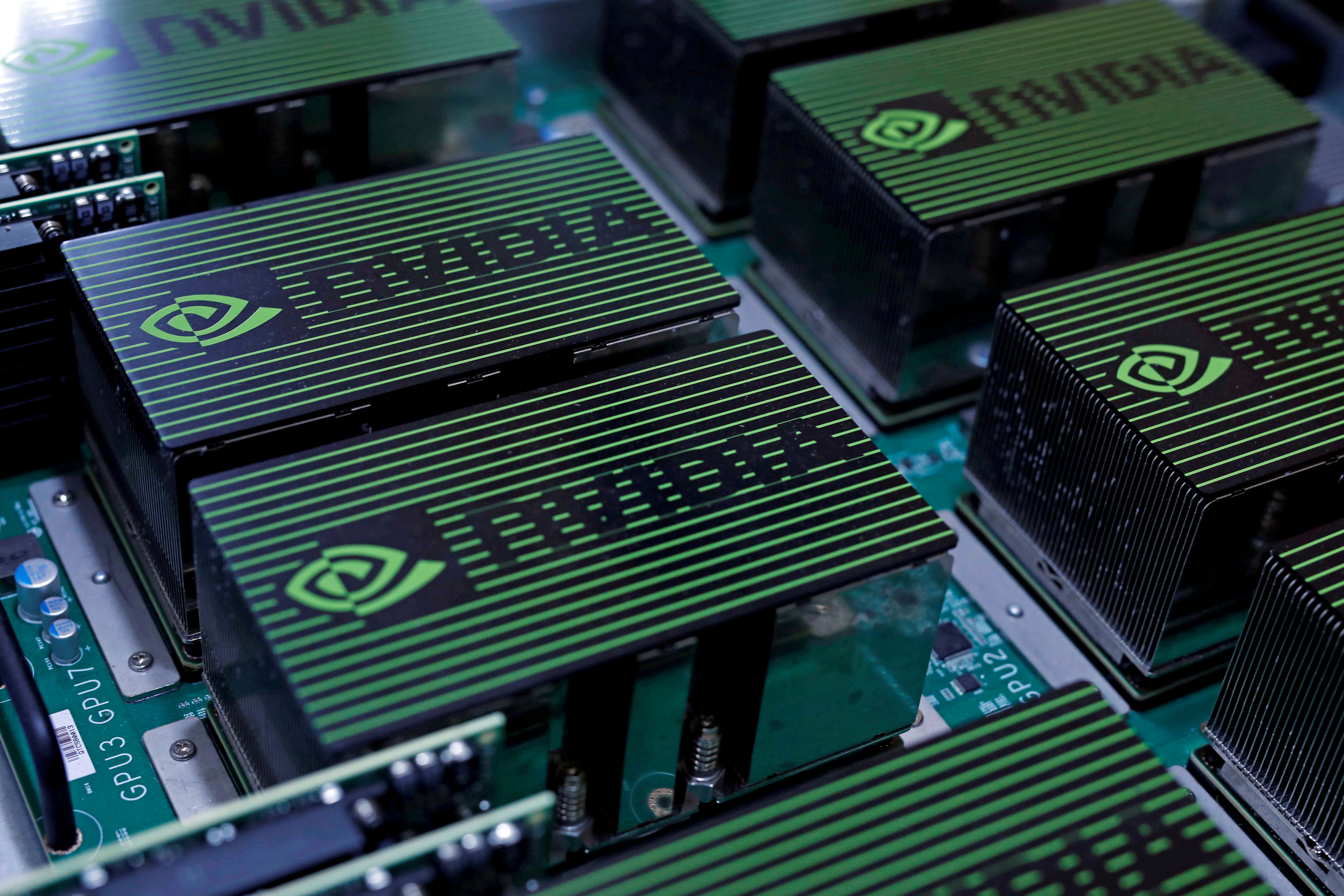
Nvidia Corporation announced on Monday that it has collaborated with the University of Bristol in the United Kingdom to develop a cutting-edge supercomputer utilizing a new Nvidia chip, which will directly compete with Intel Corporation and Advanced Micro Devices Inc.
Nvidia stands as the global leader in the production of graphics processing units (GPUs), a highly sought-after component due to its ability to accelerate artificial intelligence tasks. Notably, Nvidia GPUs played a vital role in the creation of OpenAI's ChatGPT, employing thousands of them in the process.
While Nvidia's GPU chips are traditionally combined with central processing units (CPUs), a market long dominated by Intel and AMD, the company has ventured into a new realm this year. They have commenced the distribution of their own CPU chip named Grace, incorporating technology from Arm Ltd., a subsidiary of SoftBank Group Corp.
Presenting at a supercomputing conference in Germany, Nvidia revealed its collaborative efforts with British researchers and Hewlett Packard Enterprise Co to construct a computer called Isambard 3, which solely relies on their Grace CPU chips, devoid of any Nvidia GPUs. The University of Bristol will employ this system primarily for climate science and drug discovery research, among other scientific pursuits.
During a press briefing, Ian Buck, the general manager and vice president of accelerated computing at Nvidia, expressed his enthusiasm, stating, "What's truly remarkable is that the entire system operates on a mere 270 kilowatts of power. This translates to six times the performance and energy efficiency compared to the university's previous system, Isambard 2."