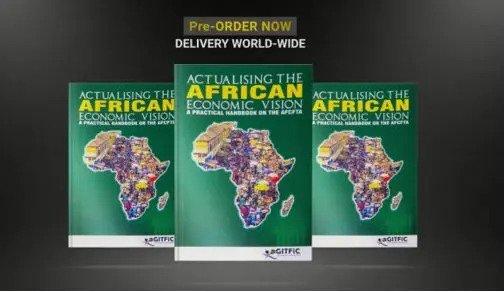
Nyarota launches book tonight
-
 Loading...
 - Yaro Mukiri
- 18 Mar 2022
- 393 Views
- 0 Like
- 0 Comment
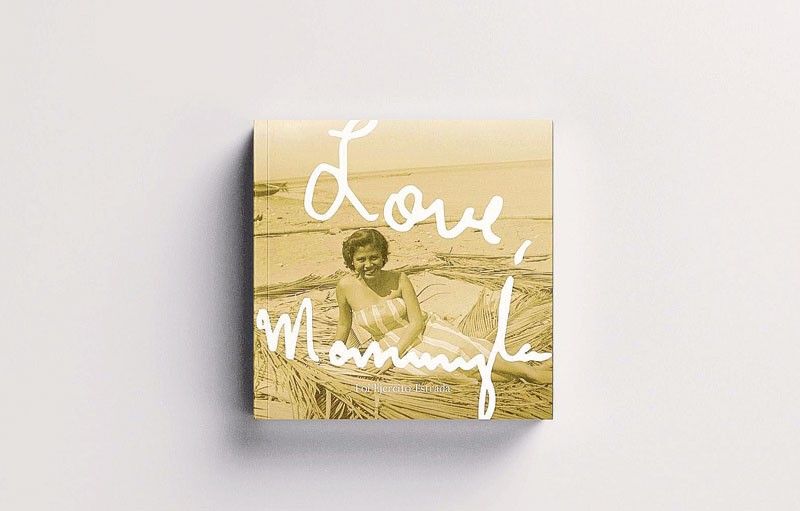
Nyarota’s book is presented in rising action style.
The use of words like Umtali (now Mutare) and Salisbury (now Harare) in the book depicts a Rhodesian setting.
Apart from the corruption melody, the book also presents the African culture of male-child syndrome and the agony of motherhood in the colonial era.

In chapter 1, Nyarota shows the love seen between Tryphine and her husband Trywell Sibanda even though the two had been battling to have a boy child.
The diction used conveys how the couple desired a boy child despite having three girls.
It appears the couple’s wishes were answered through Tryphine’s young sister Senzeni as she later gave birth to a lively baby boy at Sakubva Clinic.
The boy brought joy to the Sibandas, who stayed in New Dangare.
Whether it was out of love or they were desperate for a boy child, the couple decided to adopt Senzeni’s baby giving the mother the green light to start a new life.
The child was named Horace by Trywell who had studied Latin at school and had always liked the name of Horace the Poet.
“This is Jahalamajaha,” Sibanda said with a gurgle.
In suspense, from Mutare, Nyarota immediately takes the reader to Bulawayo in chapter 2 where he gives a bird’s eye view of the City of Kings and Queens.
In a third person narrative, Nyarota brings out how traditionally Bulawayo used to be Zimbabwe’s industrial hub, where back in the day “there were opportunities galore in terms of menial employment” in the big cities.
Nyarota’s use of visual imagery in chapter 6 depicts the Rhodesian bush war, the Second Chimurenga, also known as the Zimbabwe war of liberation, a civil conflict in the country of Rhodesia (now Zimbabwe). Read More…