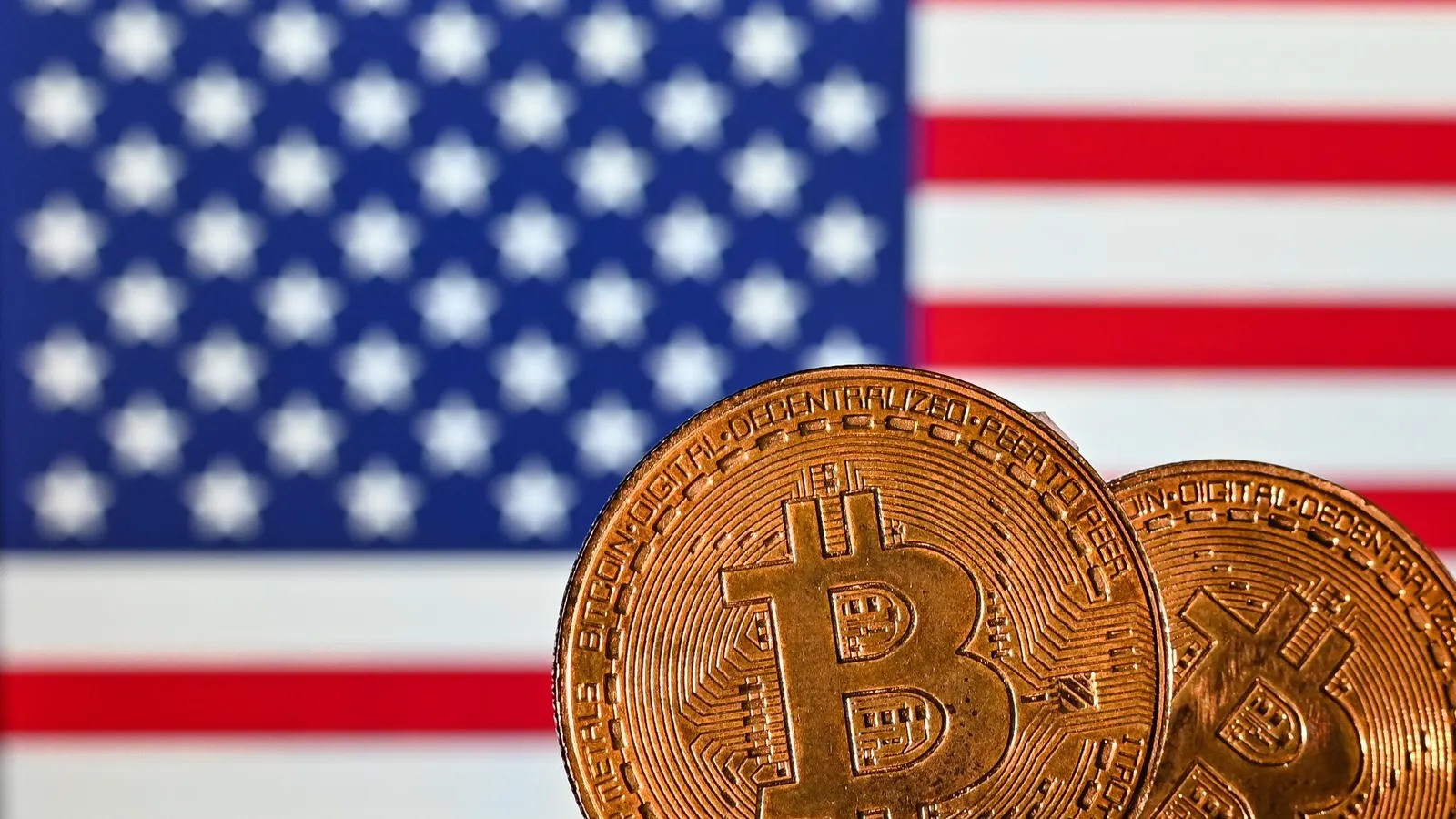
Odds Of Creating A U.S. Bitcoin Reserve Rise After State Introduces Bill
-
 Loading...
 - Johann Bauer
- 20 Nov 2024
- 39 Views
- 0 Like
- 0 Comment
As the political landscape shifts with the anticipated return of Donald Trump to the presidency, the sentiment towards Bitcoin (BTC) in the U.S. is also evolving. Recent developments, particularly the introduction of the Pennsylvania Bitcoin Strategic Reserve Act, have sparked increased speculation about the potential establishment of a Strategic Bitcoin Reserve during Trump's first 100 days in office. According to Polymarket, a leading prediction platform, the odds of this initiative have risen from 22% on November 10 to 38% currently.
Pennsylvania Bitcoin Strategic Reserve Act
The Pennsylvania Bitcoin Strategic Reserve Act, introduced last week, aims to allow the state to invest up to 10% of certain funds—including the General Fund, the Rainy Day Fund, and the State Investment Fund—into Bitcoin. With these funds managing approximately $51 billion in assets, a 10% allocation would translate to an estimated $5.1 billion investment in Bitcoin. This significant potential investment could have far-reaching implications for the Bitcoin market.
The BITCOIN Act
In addition to Pennsylvania's initiative, the "Boost Innovation, Technology, Competitiveness through Optimized Investment Nationwide" (BITCOIN Act) proposed by Senator Cynthia Lummis earlier this year seeks to establish a Strategic Bitcoin Reserve at the federal level. This act would involve purchasing Bitcoin and retaining the BTC seized by U.S. authorities—currently totaling at least 69,370 BTC—rather than selling them. The BITCOIN Act proposes annual purchases of up to 200,000 BTC for five years, culminating in a total of 1,000,000 BTC.
If enacted, this would mean that approximately $6.4 billion worth of Bitcoin, which would have otherwise been sold, would remain off the market. Additionally, the act would inject an estimated $18.2 billion into the market every year for five years, leading to a potential total of $23.3 billion in Bitcoin purchases if both the Pennsylvania bill and the BITCOIN Act are passed.
Market Impact
To put this into perspective, the combined Bitcoin purchases from these two legislative efforts would amount to approximately 256,000 BTC. This figure is nearly equivalent to a month’s trading volume on Coinbase, the largest U.S. cryptocurrency exchange, which averaged 309,000 BTC per month in Q3 of this year. Such substantial buy-side demand would likely exert upward pressure on Bitcoin prices, especially when coupled with the reduced sell-side supply from the confiscated BTC that would no longer be available for sale.
The approval of these bills could also prompt other sovereign portfolios to consider Bitcoin allocations, potentially influencing the strategies of major asset managers worldwide.
As the election results settle, attention turns to whether Trump will fulfill his promises regarding Bitcoin, with the Strategic Reserve likely becoming a focal point in discussions about cryptocurrency policy in the coming months. The implications of these legislative efforts could reshape the landscape of Bitcoin investment and ownership in the U.S., making it a pivotal moment for the cryptocurrency market.
In summary, the combination of state-level initiatives and federal proposals could significantly alter the dynamics of Bitcoin supply and demand, potentially leading to increased prices and broader acceptance of Bitcoin as a legitimate asset class. The coming months will be crucial in determining the future of Bitcoin in the U.S. and its role in the global financial system.