Over-the-Shoulder Shot: How to Use This Important Filmmaking Tool
-
 Loading...
 - Sagesse Toguo
- 05 Sep 2022
- 92 Views
- 0 Like
- 0 Comment
The over-the-shoulder shot is a popular, important filmmaking angle. The shot can connect two characters in a scene, help situate the viewer, and establish critical emotional context. Learn about this foundational camera move, its use, and how to perfect your own take on it.
What is an over-the-shoulder shot?
What are the different types of over-the-shoulder shots?
Why is the over-the-shoulder shot used?
How to film an over-the-shoulder shot
What is an over-the-shoulder shot?
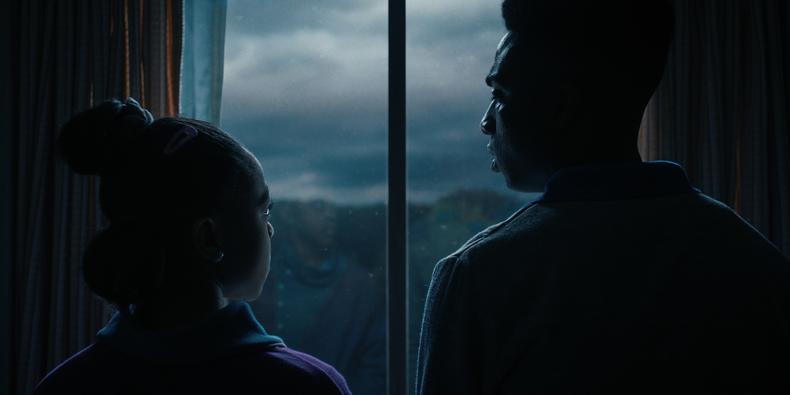
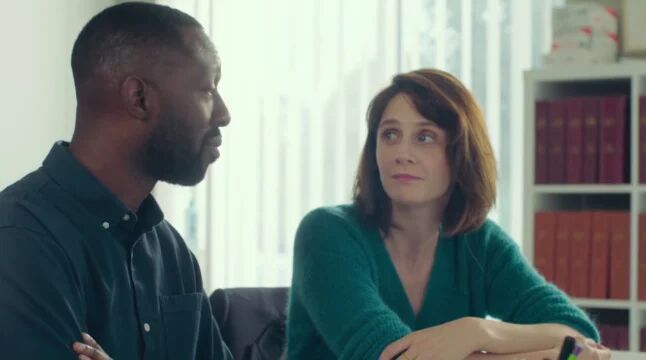
The over-the-shoulder (OTS) shot, or third-person shot, is filmed from just behind one character facing another. The offscreen actor’s shoulder—and possibly the back of their head—is in the foreground, and the onscreen actor is fully in frame.
The OTS angle is often used in painting and photography to encourage viewers to share visual experiences with artistic subjects. With the advent of filmmaking, most camerawork initially mimicked viewers’ perspectives in a theatrical production. However, technological progression in filmmaking led to new techniques and practices, and by the early-to-mid 20th century, multiple shots and angles were regularly used to create many perspectives.
According to Filmmaking Lifestyle, French film critic André Bazin created the term “over-the-shoulder shot” to describe frames that show characters’ backs and points of view. The technique was used extensively by Alfred Hitchcock throughout his filmic corpus, and it is used in nearly every conversation scene in “Psycho.” One over-the-shoulder shot example takes place in the scene when Norman Bates claims he’s “not capable of being fooled.” Read More...