Home Upload Photo Upload Videos Write a Blog Analytics Messaging Streaming Create Adverts Creators Program
Bebuzee Afghanistan Bebuzee Albania Bebuzee Algeria Bebuzee Andorra Bebuzee Angola Bebuzee Antigua and Barbuda Bebuzee Argentina Bebuzee Armenia Bebuzee Australia Bebuzee Austria Bebuzee Azerbaijan Bebuzee Bahamas Bebuzee Bahrain Bebuzee Bangladesh Bebuzee Barbados Bebuzee Belarus Bebuzee Belgium Bebuzee Belize Bebuzee Benin Bebuzee Bhutan Bebuzee Bolivia Bebuzee Bosnia and Herzegovina Bebuzee Botswana Bebuzee Brazil Bebuzee Brunei Bebuzee Bulgaria Bebuzee Burkina Faso Bebuzee Burundi Bebuzee Cabo Verde Bebuzee Cambodia Bebuzee Cameroon Bebuzee Canada Bebuzee Central African Republic Bebuzee Chad Bebuzee Chile Bebuzee China Bebuzee Colombia Bebuzee Comoros Bebuzee Costa Rica Bebuzee Côte d'Ivoire Bebuzee Croatia Bebuzee Cuba Bebuzee Cyprus Bebuzee Czech Republic Bebuzee Democratic Republic of the Congo Bebuzee Denmark Bebuzee Djibouti Bebuzee Dominica Bebuzee Dominican Republic Bebuzee Ecuador Bebuzee Egypt Bebuzee El Salvador Bebuzee Equatorial Guinea Bebuzee Eritrea Bebuzee Estonia Bebuzee Eswatini Bebuzee Ethiopia Bebuzee Fiji Bebuzee Finland Bebuzee France Bebuzee Gabon Bebuzee Gambia Bebuzee Georgia Bebuzee Germany Bebuzee Ghana Bebuzee Greece Bebuzee Grenada Bebuzee Guatemala Bebuzee Guinea Bebuzee Guinea-Bissau Bebuzee Guyana Bebuzee Haiti Bebuzee Honduras Bebuzee Hong Kong Bebuzee Hungary Bebuzee Iceland Bebuzee India Bebuzee Indonesia Bebuzee Iran Bebuzee Iraq Bebuzee Ireland Bebuzee Israel Bebuzee Italy Bebuzee Jamaica Bebuzee Japan Bebuzee Jordan Bebuzee Kazakhstan Bebuzee Kenya Bebuzee Kiribati Bebuzee Kuwait Bebuzee Kyrgyzstan Bebuzee Laos Bebuzee Latvia Bebuzee Lebanon Bebuzee Lesotho Bebuzee Liberia Bebuzee Libya Bebuzee Liechtenstein Bebuzee Lithuania Bebuzee Luxembourg Bebuzee Madagascar Bebuzee Malawi Bebuzee Malaysia Bebuzee Maldives Bebuzee Mali Bebuzee Malta Bebuzee Marshall Islands Bebuzee Mauritania Bebuzee Mauritius Bebuzee Mexico Bebuzee Micronesia Bebuzee Moldova Bebuzee Monaco Bebuzee Mongolia Bebuzee Montenegro Bebuzee Morocco Bebuzee Mozambique Bebuzee Myanmar Bebuzee Namibia Bebuzee Nauru Bebuzee Nepal Bebuzee Netherlands Bebuzee New Zealand Bebuzee Nicaragua Bebuzee Niger Bebuzee Nigeria Bebuzee North Korea Bebuzee North Macedonia Bebuzee Norway Bebuzee Oman Bebuzee Pakistan Bebuzee Palau Bebuzee Panama Bebuzee Papua New Guinea Bebuzee Paraguay Bebuzee Peru Bebuzee Philippines Bebuzee Poland Bebuzee Portugal Bebuzee Qatar Bebuzee Republic of the Congo Bebuzee Romania Bebuzee Russia Bebuzee Rwanda Bebuzee Saint Kitts and Nevis Bebuzee Saint Lucia Bebuzee Saint Vincent and the Grenadines Bebuzee Samoa Bebuzee San Marino Bebuzee São Tomé and Príncipe Bebuzee Saudi Arabia Bebuzee Senegal Bebuzee Serbia Bebuzee Seychelles Bebuzee Sierra Leone Bebuzee Singapore Bebuzee Slovakia Bebuzee Slovenia Bebuzee Solomon Islands Bebuzee Somalia Bebuzee South Africa Bebuzee South Korea Bebuzee South Sudan Bebuzee Spain Bebuzee Sri Lanka Bebuzee Sudan Bebuzee Suriname Bebuzee Sweden Bebuzee Switzerland Bebuzee Syria Bebuzee Taiwan Bebuzee Tajikistan Bebuzee Tanzania Bebuzee Thailand Bebuzee Timor-Leste Bebuzee Togo Bebuzee Tonga Bebuzee Trinidad and Tobago Bebuzee Tunisia Bebuzee Turkey Bebuzee Turkmenistan Bebuzee Tuvalu Bebuzee Uganda Bebuzee Ukraine Bebuzee United Arab Emirates Bebuzee United Kingdom Bebuzee Uruguay Bebuzee Uzbekistan Bebuzee Vanuatu Bebuzee Venezuela Bebuzee Vietnam Bebuzee World Wide Bebuzee Yemen Bebuzee Zambia Bebuzee Zimbabwe
Blog Image

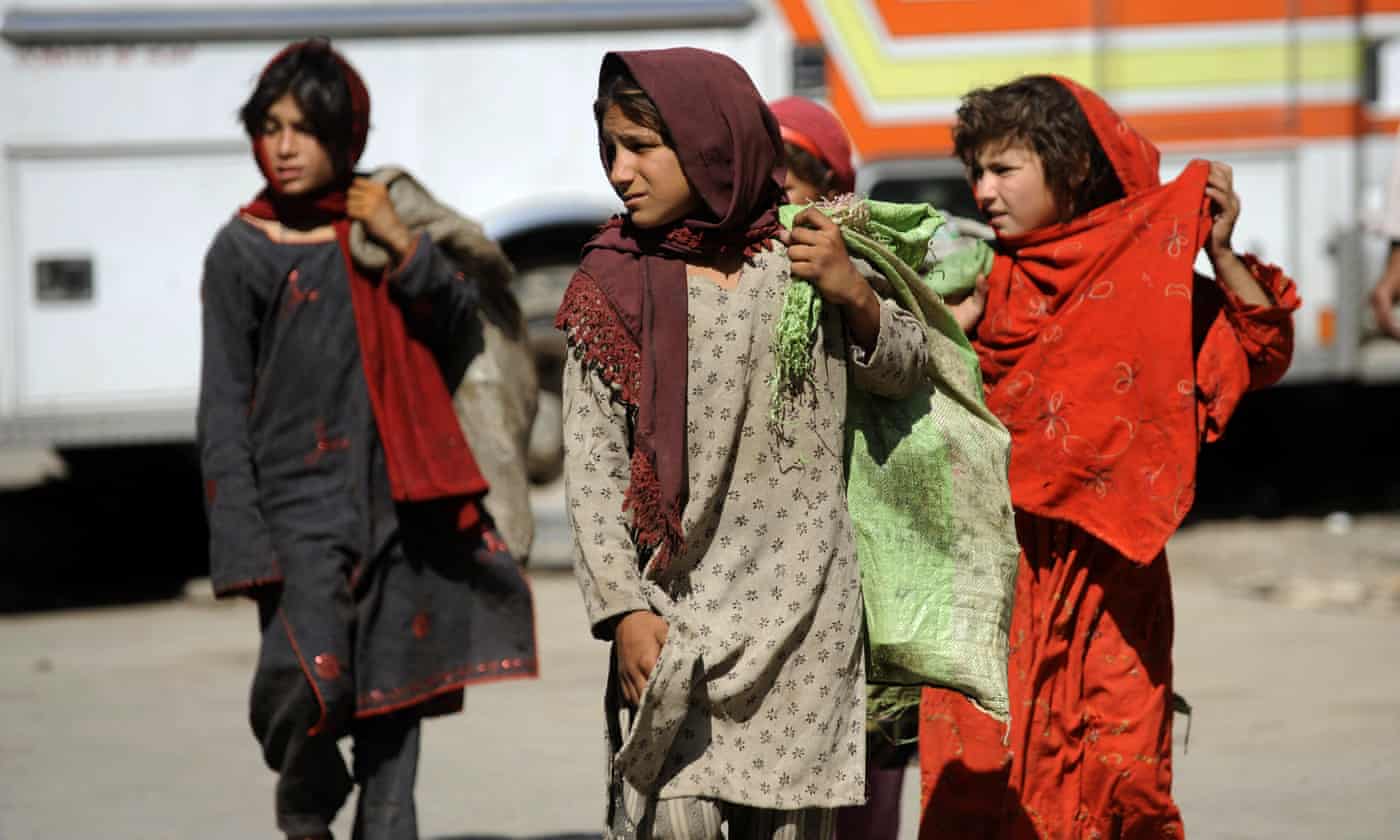
Pakistan's schools crisis has 'devastating impact on millions of girls'

A shortage of places, as well as factors such as prohibitive fees and child labour are barriers to education. Photograph: Farooq Naeem/AFP/Getty Images

Pakistan’s school system is in crisis, with a lack of government facilities creating “education deserts” for poor children, especially girls, according to a new report by Human Rights Watch.

A third of girls across the country are not attending primary school, compared with 21% of boys. By the ninth grade, just 13% of girls are still in school, it said.

In Balochistan, Pakistan’s largest province, the picture is bleaker still: 81% of girls did not complete primary school in 2014/15, compared to 52% of boys.

Nearly 22.5 million children are out of school, according to Imran Khan’s party manifesto, published before he was elected prime minister in July.

The Human Rights Watch (HRW) report, Shall I Feed my Daughter or Educate Her?, concludes many of the most serious barriers to education lie within the school system. A chronic lack of investment in education has led to a shortage of government schools, particularly girls schools. Other factors include prohibitive school fees, corporal punishment, poor quality schools in the public and private sector, a lack of regulation and corruption.

Girls face additional barriers, as part of a broader landscape of gender discrimination in the country, including child marriage, sexual harassment and child labour.

“The Pakistan government’s failure to educate children is having a devastating impact on millions of girls,” said Liesl Gerntholtz, women’s rights director at HRW. “Many of the girls we interviewed are desperate to study, but instead are growing up without the education that would help them have options for their future.”

The Pakistan government has acknowledged a persistent “under investment” by the state, leading to “a poor quality of education for those who are fortunate enough to get enrolled and no education for the rest”, the report said.

While the nation’s constitution advocates free and compulsory education for all children aged five to 16 years old, there is no organised effort by the government to ensure all children study, it found. The country’s highly decentralised government structure also meant that education policy varied significantly across regions.

The HRW report said the government’s “abdication of responsibility” towards education has created an explosion of largely unregulated new private schools of wildly varying quality, including low-cost establishments which are often the only option for poor families. According to UN guidance, Pakistan should spent at least 15 to 20% of the total national budget and 4 to 6% of GDP in eduction. It spent 12.6% (in 2016) and 2.8% (in 2017) respectively.

In interviews for the report, girls talked again and again about their desires to “be someone” and how their dreams have been crushed by being unable to study.

Khan’s political party’s manifesto promises major reforms to the education system.

“The government recognises that education reform is desperately needed and promises to make this a priority, especially for girls – a positive step,” Gerntholtz said. “We hope that our findings will help the government to diagnose the problems and identify solutions that will give every Pakistani girl a bright future.”

Previous Post

University alerts students to danger of leftwing essay

Next Post

It's a harmful myth that UK science can't translate ideas into practice

Comments