Home Upload Photo Upload Videos Write a Blog Analytics Messaging Streaming Create Adverts Creators Program
Bebuzee Afghanistan Bebuzee Albania Bebuzee Algeria Bebuzee Andorra Bebuzee Angola Bebuzee Antigua and Barbuda Bebuzee Argentina Bebuzee Armenia Bebuzee Australia Bebuzee Austria Bebuzee Azerbaijan Bebuzee Bahamas Bebuzee Bahrain Bebuzee Bangladesh Bebuzee Barbados Bebuzee Belarus Bebuzee Belgium Bebuzee Belize Bebuzee Benin Bebuzee Bhutan Bebuzee Bolivia Bebuzee Bosnia and Herzegovina Bebuzee Botswana Bebuzee Brazil Bebuzee Brunei Bebuzee Bulgaria Bebuzee Burkina Faso Bebuzee Burundi Bebuzee Cabo Verde Bebuzee Cambodia Bebuzee Cameroon Bebuzee Canada Bebuzee Central African Republic Bebuzee Chad Bebuzee Chile Bebuzee China Bebuzee Colombia Bebuzee Comoros Bebuzee Costa Rica Bebuzee Côte d'Ivoire Bebuzee Croatia Bebuzee Cuba Bebuzee Cyprus Bebuzee Czech Republic Bebuzee Democratic Republic of the Congo Bebuzee Denmark Bebuzee Djibouti Bebuzee Dominica Bebuzee Dominican Republic Bebuzee Ecuador Bebuzee Egypt Bebuzee El Salvador Bebuzee Equatorial Guinea Bebuzee Eritrea Bebuzee Estonia Bebuzee Eswatini Bebuzee Ethiopia Bebuzee Fiji Bebuzee Finland Bebuzee France Bebuzee Gabon Bebuzee Gambia Bebuzee Georgia Bebuzee Germany Bebuzee Ghana Bebuzee Greece Bebuzee Grenada Bebuzee Guatemala Bebuzee Guinea Bebuzee Guinea-Bissau Bebuzee Guyana Bebuzee Haiti Bebuzee Honduras Bebuzee Hong Kong Bebuzee Hungary Bebuzee Iceland Bebuzee India Bebuzee Indonesia Bebuzee Iran Bebuzee Iraq Bebuzee Ireland Bebuzee Israel Bebuzee Italy Bebuzee Jamaica Bebuzee Japan Bebuzee Jordan Bebuzee Kazakhstan Bebuzee Kenya Bebuzee Kiribati Bebuzee Kuwait Bebuzee Kyrgyzstan Bebuzee Laos Bebuzee Latvia Bebuzee Lebanon Bebuzee Lesotho Bebuzee Liberia Bebuzee Libya Bebuzee Liechtenstein Bebuzee Lithuania Bebuzee Luxembourg Bebuzee Madagascar Bebuzee Malawi Bebuzee Malaysia Bebuzee Maldives Bebuzee Mali Bebuzee Malta Bebuzee Marshall Islands Bebuzee Mauritania Bebuzee Mauritius Bebuzee Mexico Bebuzee Micronesia Bebuzee Moldova Bebuzee Monaco Bebuzee Mongolia Bebuzee Montenegro Bebuzee Morocco Bebuzee Mozambique Bebuzee Myanmar Bebuzee Namibia Bebuzee Nauru Bebuzee Nepal Bebuzee Netherlands Bebuzee New Zealand Bebuzee Nicaragua Bebuzee Niger Bebuzee Nigeria Bebuzee North Korea Bebuzee North Macedonia Bebuzee Norway Bebuzee Oman Bebuzee Pakistan Bebuzee Palau Bebuzee Panama Bebuzee Papua New Guinea Bebuzee Paraguay Bebuzee Peru Bebuzee Philippines Bebuzee Poland Bebuzee Portugal Bebuzee Qatar Bebuzee Republic of the Congo Bebuzee Romania Bebuzee Russia Bebuzee Rwanda Bebuzee Saint Kitts and Nevis Bebuzee Saint Lucia Bebuzee Saint Vincent and the Grenadines Bebuzee Samoa Bebuzee San Marino Bebuzee São Tomé and Príncipe Bebuzee Saudi Arabia Bebuzee Senegal Bebuzee Serbia Bebuzee Seychelles Bebuzee Sierra Leone Bebuzee Singapore Bebuzee Slovakia Bebuzee Slovenia Bebuzee Solomon Islands Bebuzee Somalia Bebuzee South Africa Bebuzee South Korea Bebuzee South Sudan Bebuzee Spain Bebuzee Sri Lanka Bebuzee Sudan Bebuzee Suriname Bebuzee Sweden Bebuzee Switzerland Bebuzee Syria Bebuzee Taiwan Bebuzee Tajikistan Bebuzee Tanzania Bebuzee Thailand Bebuzee Timor-Leste Bebuzee Togo Bebuzee Tonga Bebuzee Trinidad and Tobago Bebuzee Tunisia Bebuzee Turkey Bebuzee Turkmenistan Bebuzee Tuvalu Bebuzee Uganda Bebuzee Ukraine Bebuzee United Arab Emirates Bebuzee United Kingdom Bebuzee Uruguay Bebuzee Uzbekistan Bebuzee Vanuatu Bebuzee Venezuela Bebuzee Vietnam Bebuzee World Wide Bebuzee Yemen Bebuzee Zambia Bebuzee Zimbabwe
Blog Image

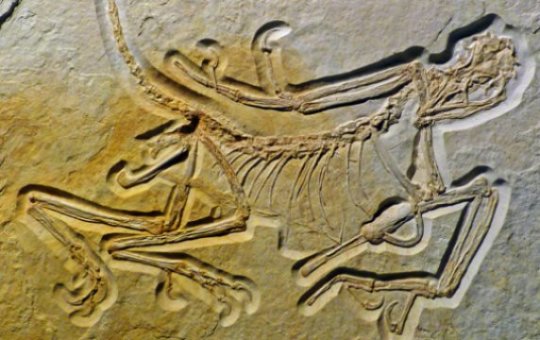
Paleontology: The eleventh Archaeopteryx

The geologically oldest, but most recently discovered specimen of Archaeopteryx. Credit: O. Rauhut, LMU

Researchers from Ludwig-Maximilians-Universitaet (LMU) in Munich report the first description of the geologically oldest fossil securely attributable to the genus Archaeopteryx, and provide a new diagnostic key for differentiating bird-like dinosaurs from their closest relatives.

Some 150 million years ago in what is now Northern Bavaria, Archaeopteryx -- the oldest bird species yet discovered -- inhabited a subtropical environment characterized by reef islands and lagoons set in a shallow sea that was part of the primordial Mediterranean. All the specimens of Archaeopteryx so far recovered were found in the valley of the Altmühl River, in geological settings that represent this habitat -- the Jurassic Solnhofen Archipelago. The latest find was made there in 2010, and this new specimen has now been analyzed by a team of researchers led by LMU paleontologist Oliver Rauhut, a professor in the Department of Earth and Environmental Sciences who is also affiliated with the Bavarian State Collections for Paleontology and Geology in Munich. Stratigraphic analysis of the find locality reveals that the fossil is the oldest known representative of the genus Archaeopteryx.

"Specimens of Archaeopteryx are now known from three distinct rock units, which together cover a period of approximately 1 million years," Rauhut explains. Notably, the oldest example exhibits features that were so far not known from the other specimens. "Among other things, they reveal that Archaeopteryx was very similar to advanced predatory dinosaurs in many respects," says Rauhut. Moreover, in the new study, he and his colleagues provide a diagnosis that allows to reliably distinguish Archaeopteryx from its closest relatives, both non-avialan theropod dinosaurs and basal birds. This key will be very valuable, as a whole series of bird-like predatory dinosaurs has been described in recent years, mainly from China, which has greatly complicated the taxonomical classification of the group.

The new specimen is the 12th fossil to be attributed to the genus. However, in a study published in the online journal BMC Evolutionary Biology last year, Rauhut's group reported that the first of these to come to light -- the so-called Haarlem specimen discovered in 1861 -- does not actually belong to the group. This result thus reduces the number of Archaeopteryx fossils to 11, although some doubts remain concerning the assignment of two of these. This underlines the necessity for a diagnosis to clearly identify Archaeopteryx.

Moreover, the investigation of the 11th specimen demonstrates that the known specimens span a remarkable range of anatomical variation. Potential explanations for the broad spectrum of variation extend from intraspecific developmental polymorphism to evolutionary differentiation, i.e., the possibility that the fossil material so far recovered represents more than one species. "The high degree of variation in the teeth is particularly striking -- none of the specimens shows the same pattern of dentition as any other, which could reflect differences in diet," Rauhut points out. "This is very reminiscent of the famous case of Darwin's finches on the Galapagos, which show remarkable variation in their beak shapes. It is even conceivable that this primeval bird genus might, in a similar fashion, have diversified into several specialized forms on the islands of the Solnhofener Archipelago. In that case, the Archaeopteryx fossils could represent a species flock, a Jurassic analog of Darwin's finches."

Previous Post

Humans take up too much space -- and it's affecting how mammals move

Next Post

Mammals and birds could have best shot at surviving climate change

Comments