Paraguay chikungunya deaths top 200 since October

Dr. Guillermo Sequera, the General Director of Health Surveillance in Paraguay, has reported a total of 3,845 cases of chikungunya in the past three weeks. The majority of these cases, accounting for 22 percent, were found in the Central department, with an additional 21 percent reported in the city of Asunción. Fortunately, the number of cases is decreasing steadily.
However, despite the declining spread of the disease, chikungunya has tragically claimed the lives of 217 individuals since October. The statistics reveal that the highest fatality rates are observed among patients under the age of one and those over 80 years old. Moreover, 82 percent of the deceased individuals had pre-existing risk factors or comorbidities.
Chikungunya disease is caused by the chikungunya virus, which is transmitted to humans through mosquito bites. Outbreaks have been documented in various regions, including Africa, the Americas, Asia, Europe, the Caribbean, and the Indian and Pacific Oceans.
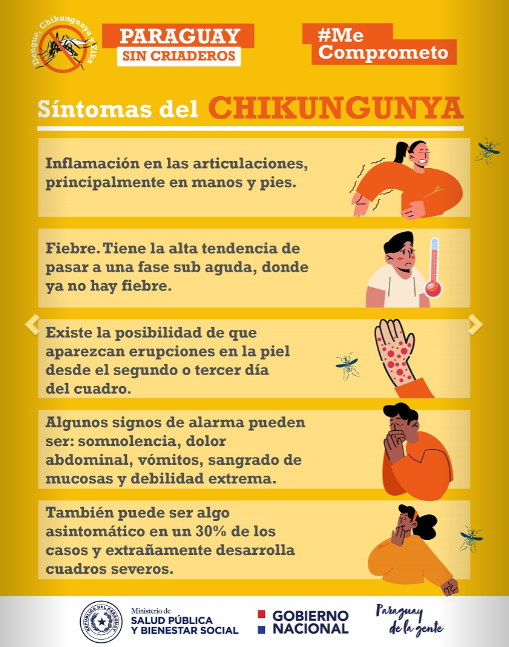
Most individuals infected with the chikungunya virus experience symptoms. Typically, these symptoms manifest 3 to 7 days after being bitten by an infected mosquito. The most commonly observed symptoms are fever and joint pain. Headaches, muscle pain, joint swelling, and rash may also occur. While most people recover within a week, some individuals may endure severe joint pain for several months.
Certain populations face a higher risk of developing severe chikungunya. This includes newborns infected around the time of birth, older adults aged 65 years or older, and individuals with underlying medical conditions such as high blood pressure, diabetes, or heart disease. It is important to note that death resulting from chikungunya is rare.
Currently, there is no specific treatment or approved vaccine available for chikungunya. Therefore, prevention measures such as mosquito control and personal protection against mosquito bites are crucial in reducing the risk of infection.


