Home Upload Photo Upload Videos Write a Blog Analytics Messaging Streaming Create Adverts Creators Program
Bebuzee Afghanistan Bebuzee Albania Bebuzee Algeria Bebuzee Andorra Bebuzee Angola Bebuzee Antigua and Barbuda Bebuzee Argentina Bebuzee Armenia Bebuzee Australia Bebuzee Austria Bebuzee Azerbaijan Bebuzee Bahamas Bebuzee Bahrain Bebuzee Bangladesh Bebuzee Barbados Bebuzee Belarus Bebuzee Belgium Bebuzee Belize Bebuzee Benin Bebuzee Bhutan Bebuzee Bolivia Bebuzee Bosnia and Herzegovina Bebuzee Botswana Bebuzee Brazil Bebuzee Brunei Bebuzee Bulgaria Bebuzee Burkina Faso Bebuzee Burundi Bebuzee Cabo Verde Bebuzee Cambodia Bebuzee Cameroon Bebuzee Canada Bebuzee Central African Republic Bebuzee Chad Bebuzee Chile Bebuzee China Bebuzee Colombia Bebuzee Comoros Bebuzee Costa Rica Bebuzee Côte d'Ivoire Bebuzee Croatia Bebuzee Cuba Bebuzee Cyprus Bebuzee Czech Republic Bebuzee Democratic Republic of the Congo Bebuzee Denmark Bebuzee Djibouti Bebuzee Dominica Bebuzee Dominican Republic Bebuzee Ecuador Bebuzee Egypt Bebuzee El Salvador Bebuzee Equatorial Guinea Bebuzee Eritrea Bebuzee Estonia Bebuzee Eswatini Bebuzee Ethiopia Bebuzee Fiji Bebuzee Finland Bebuzee France Bebuzee Gabon Bebuzee Gambia Bebuzee Georgia Bebuzee Germany Bebuzee Ghana Bebuzee Greece Bebuzee Grenada Bebuzee Guatemala Bebuzee Guinea Bebuzee Guinea-Bissau Bebuzee Guyana Bebuzee Haiti Bebuzee Honduras Bebuzee Hong Kong Bebuzee Hungary Bebuzee Iceland Bebuzee India Bebuzee Indonesia Bebuzee Iran Bebuzee Iraq Bebuzee Ireland Bebuzee Israel Bebuzee Italy Bebuzee Jamaica Bebuzee Japan Bebuzee Jordan Bebuzee Kazakhstan Bebuzee Kenya Bebuzee Kiribati Bebuzee Kuwait Bebuzee Kyrgyzstan Bebuzee Laos Bebuzee Latvia Bebuzee Lebanon Bebuzee Lesotho Bebuzee Liberia Bebuzee Libya Bebuzee Liechtenstein Bebuzee Lithuania Bebuzee Luxembourg Bebuzee Madagascar Bebuzee Malawi Bebuzee Malaysia Bebuzee Maldives Bebuzee Mali Bebuzee Malta Bebuzee Marshall Islands Bebuzee Mauritania Bebuzee Mauritius Bebuzee Mexico Bebuzee Micronesia Bebuzee Moldova Bebuzee Monaco Bebuzee Mongolia Bebuzee Montenegro Bebuzee Morocco Bebuzee Mozambique Bebuzee Myanmar Bebuzee Namibia Bebuzee Nauru Bebuzee Nepal Bebuzee Netherlands Bebuzee New Zealand Bebuzee Nicaragua Bebuzee Niger Bebuzee Nigeria Bebuzee North Korea Bebuzee North Macedonia Bebuzee Norway Bebuzee Oman Bebuzee Pakistan Bebuzee Palau Bebuzee Panama Bebuzee Papua New Guinea Bebuzee Paraguay Bebuzee Peru Bebuzee Philippines Bebuzee Poland Bebuzee Portugal Bebuzee Qatar Bebuzee Republic of the Congo Bebuzee Romania Bebuzee Russia Bebuzee Rwanda Bebuzee Saint Kitts and Nevis Bebuzee Saint Lucia Bebuzee Saint Vincent and the Grenadines Bebuzee Samoa Bebuzee San Marino Bebuzee São Tomé and Príncipe Bebuzee Saudi Arabia Bebuzee Senegal Bebuzee Serbia Bebuzee Seychelles Bebuzee Sierra Leone Bebuzee Singapore Bebuzee Slovakia Bebuzee Slovenia Bebuzee Solomon Islands Bebuzee Somalia Bebuzee South Africa Bebuzee South Korea Bebuzee South Sudan Bebuzee Spain Bebuzee Sri Lanka Bebuzee Sudan Bebuzee Suriname Bebuzee Sweden Bebuzee Switzerland Bebuzee Syria Bebuzee Taiwan Bebuzee Tajikistan Bebuzee Tanzania Bebuzee Thailand Bebuzee Timor-Leste Bebuzee Togo Bebuzee Tonga Bebuzee Trinidad and Tobago Bebuzee Tunisia Bebuzee Turkey Bebuzee Turkmenistan Bebuzee Tuvalu Bebuzee Uganda Bebuzee Ukraine Bebuzee United Arab Emirates Bebuzee United Kingdom Bebuzee Uruguay Bebuzee Uzbekistan Bebuzee Vanuatu Bebuzee Venezuela Bebuzee Vietnam Bebuzee World Wide Bebuzee Yemen Bebuzee Zambia Bebuzee Zimbabwe
Blog Image

‘People don't want to hear about it': how the pandemic shaped Sweden's politics

Inequality and national identity are high on the agenda as the country votes. But few want to heed Covid’s lessons

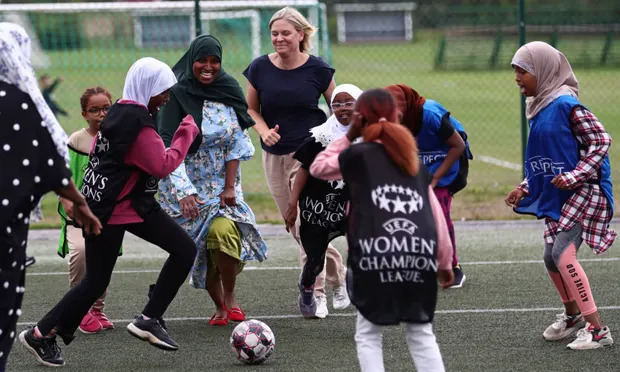
In the Stockholm neighbourhood of Tensta, the pandemic has left many feeling hopeless and disenfranchised, says Fatuma Mohamed.

While much of Sweden – including politicians – appear to have forgotten all about Covid, the health communicator and longtime resident said that many in the area are still grappling with its impact.

Although people had been advised by authorities to work from home, many in Tensta, with its high refugee population, had no choice but to go out because of the nature of their jobs.

“They didn’t have any possibility to stay at home,” said Mohamed, sitting outside Tensta Konsthall, a contemporary arts centre, where people were arriving for a coffee meet-up.

Two and a half years after the introduction of the “Swedish strategy”– the Scandinavian country’s divergent pandemic response, which kept schools open and eschewed lockdowns – the results are mixed.

Mental health and children’s learning appear to have been less affected than they might have been, although 2.57m infections were recorded in the population of just over 10 million and in excess of 19,900 died, with stark inequality exposed in the process.

In comparison, Norway, with a little over half Sweden’s population, has had 1.46m cases and nearly 4,000 deaths; while Finland, also with just over half Sweden’s population, has had 1.27m cases and nearly 5,700 deaths.

An independent commission into the handling of the pandemic, the findings of which were published earlier this year, found that while the choice of path for disease prevention and control was “fundamentally correct”, the measures “were too few and should have come sooner”. The government, it said, should have taken control of all aspects of crisis management from the start and had relied too heavily on its public health agency, Folkhälsomyndigheten.

And yet, as Sweden prepares to go to the polls on 11 September, in the first election since these life or death decisions were made, it is almost as if Covid never happened. Left- and right-leaning party leaders, who are in a tight race, are focusing on crime, immigration and energy prices but not Covid.

For many, this has highlighted the gulf between the living conditions of Sweden’s different communities. In Tensta, some groups of up to 10 people live in two-room flats, said Mohamed, 43, who has three daughters,

“But the ‘Swedish’,” she said, miming inverted commas with her hands, “they live, maybe two or three people in eight, seven or four rooms, maybe. So they had the opportunity to have social distance.

“It is not just a health problem,” she added. “This is a political problem.” Services such as banks, dentists and job centres had vanished from the area, she claimed, and many people were unemployed, splitting society into “parallel communities”. Read More…

Previous Post

Ivory Coast president meets with ex-leaders to foster national unity

Next Post

Swedish politician leaves party after prime minister's 'Somalitown' remarks

Comments