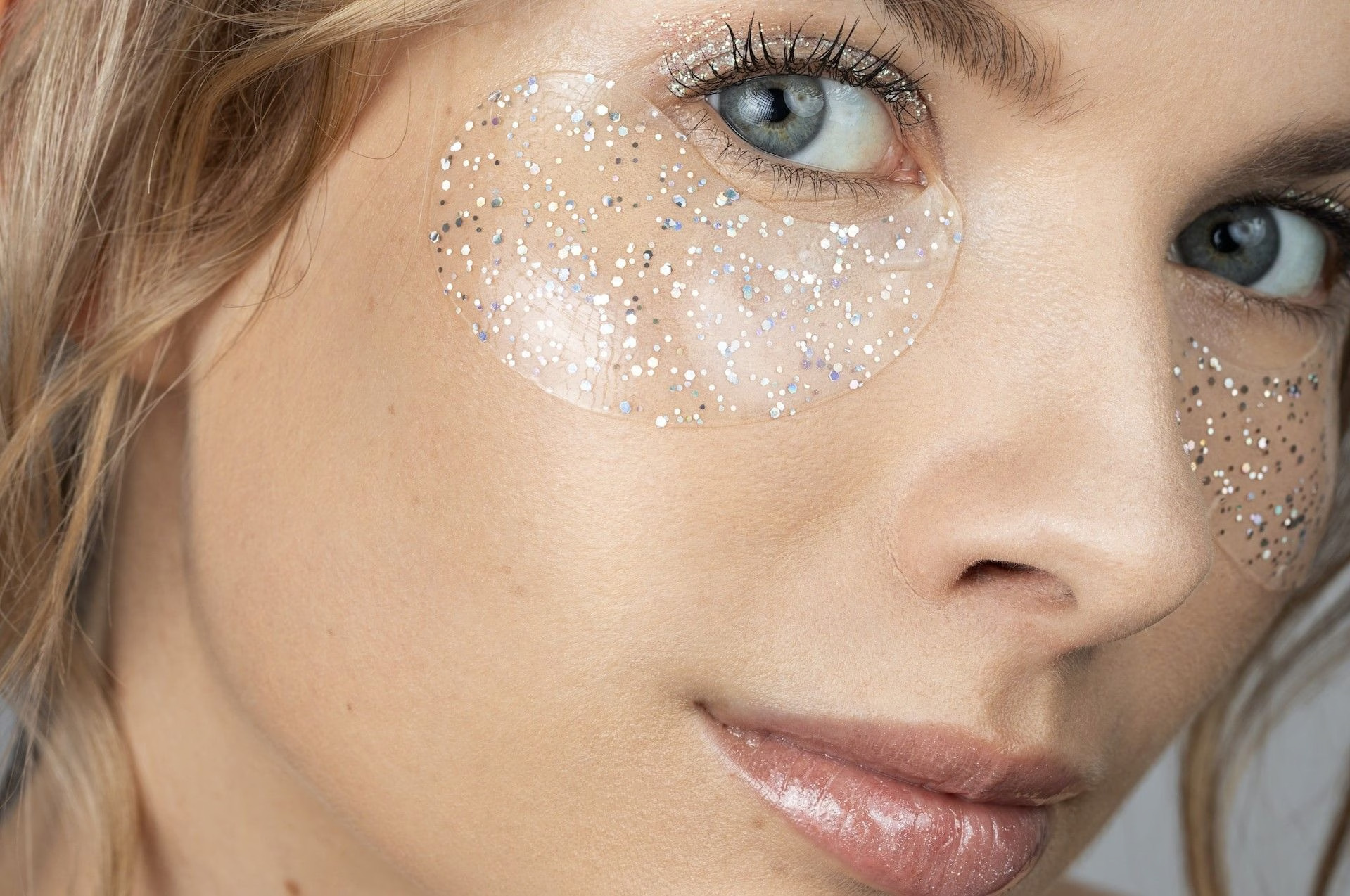
Periorbital dark circles: What it is, why it happens, how to treat it
-
 Loading...
 - Belle Rolland
- 15 May 2023
- 66 Views
- 0 Like
- 0 Comment
Periorbital dark circles, also known as dark circles under the eyes, are darkened areas of skin beneath the lower eyelids. These circles can make you look tired, older, and unhealthy. Periorbital dark circles can affect anyone, regardless of age, gender, or ethnicity.
What Are Periorbital Dark Circles?
Periorbital dark circles are characterized by the darkened skin underneath the eyes. The skin in this area is thin and delicate, making it more susceptible to damage. The dark circles can be accompanied by puffiness and swelling, making the eyes appear tired and droopy.
Periorbital dark circles are not a medical condition, but they can be a cosmetic concern for many people. The circles can be caused by a variety of factors, including genetics, age, and lifestyle habits.
Why Do Periorbital Dark Circles Happen?
There are many factors that can contribute to the development of periorbital dark circles. Some of the most common causes include:
Genetics
One of the primary causes of periorbital dark circles is genetics. Some people are simply more prone to dark circles due to their genetics. If your parents or grandparents have dark circles, then you may be more likely to develop them as well.
Age
As you age, the skin under your eyes becomes thinner and loses collagen and elasticity. This can make the blood vessels under your eyes more visible, leading to the appearance of dark circles.
Allergies
Allergies can cause puffiness and dark circles under the eyes. When you have an allergic reaction, your body produces histamines, which can cause blood vessels to dilate and become more visible.
Lifestyle Habits
Lifestyle habits such as lack of sleep, stress, and poor nutrition can contribute to the development of periorbital dark circles. Lack of sleep can cause the skin under your eyes to appear dull and pale, while stress can lead to inflammation and puffiness.
Sun Exposure
Exposure to the sun's UV rays can cause the skin to produce more melanin, leading to the appearance of dark circles.
Medical Conditions
Certain medical conditions, such as anemia, thyroid problems, and eczema, can cause dark circles under the eyes. If you have persistent dark circles, it is important to speak with your doctor to rule out any underlying medical conditions.
How to Treat Periorbital Dark Circles
There are many treatments and lifestyle changes that can help reduce the appearance of periorbital dark circles.
Get Enough Sleep
Getting enough sleep is one of the easiest ways to reduce the appearance of dark circles. Aim to get at least 7-8 hours of sleep each night to help your body rejuvenate and repair itself.
Manage Stress
Stress can cause inflammation and puffiness under the eyes, making dark circles more noticeable. To manage stress, try relaxation techniques such as yoga, meditation, or deep breathing exercises.
Protect Your Skin from the Sun
Protecting your skin from the sun's harmful UV rays is essential to prevent the development of dark circles. Wear a broad-spectrum sunscreen with an SPF of 30 or higher, and wear sunglasses and a hat to shield your eyes from the sun.
Use Eye Creams
Using an eye cream with ingredients such as caffeine, vitamin C, and retinol can help reduce the appearance of dark circles and puffiness. These ingredients help to stimulate circulation and collagen production, which can improve the overall appearance of the skin around the eyes.
Use Cold Compresses
Cold compresses can help reduce inflammation and puffiness under the eyes. Place a cold spoon, cucumber slice, or a cold compress on your eyes for 10-15 minutes to help reduce the appearance of dark circles.
Treat Allergies
If your dark circles are caused by allergies, treating your allergies can help reduce the appearance of dark circles. Speak with your doctor about allergy medications or treatments to help manage your symptoms.
Consider Cosmetic Treatments
If lifestyle changes and home remedies do not improve the appearance of your dark circles, you may want to consider cosmetic treatments such as fillers, chemical peels, or laser therapy. These treatments can help improve the overall appearance of the skin around your eyes and reduce the appearance of dark circles.
FAQs about Periorbital Dark Circles
- Are periorbital dark circles a sign of illness or disease?
No, periorbital dark circles are not a sign of illness or disease. They are a cosmetic concern that can be caused by a variety of factors, including genetics, age, and lifestyle habits.
- Can lack of sleep cause periorbital dark circles?
Yes, lack of sleep can cause the skin under your eyes to appear dull and pale, making dark circles more noticeable.
- Can allergies cause periorbital dark circles?
Yes, allergies can cause puffiness and dark circles under the eyes. When you have an allergic reaction, your body produces histamines, which can cause blood vessels to dilate and become more visible.
- Can periorbital dark circles be treated with home remedies?
Yes, there are many home remedies and lifestyle changes that can help reduce the appearance of periorbital dark circles, including getting enough sleep, managing stress, and using cold compresses.
- When should I see a doctor about my periorbital dark circles?
If you have persistent dark circles that do not improve with lifestyle changes or home remedies, it is important to speak with your doctor. They can rule out any underlying medical conditions that may be contributing to your dark circles.
- Are cosmetic treatments for periorbital dark circles safe?
Yes, cosmetic treatments such as fillers, chemical peels, and laser therapy are generally safe when performed by a qualified professional. However, as with any cosmetic procedure, there are some risks and potential side effects. It is important to discuss these risks with your doctor before undergoing any cosmetic treatments.
Periorbital dark circles can be a frustrating cosmetic concern, but they are not a sign of illness or disease. By making lifestyle changes, using home remedies, or undergoing cosmetic treatments, you can reduce the appearance of dark circles and improve the overall appearance of your skin. Remember, getting enough sleep, managing stress, and protecting your skin from the sun are essential to maintaining healthy, youthful-looking skin.