Peru protests reveal ethnic and regional divides
-
 Loading...
 - Brown Keith
- 15 Feb 2023
- 58 Views
- 0 Like
- 0 Comment
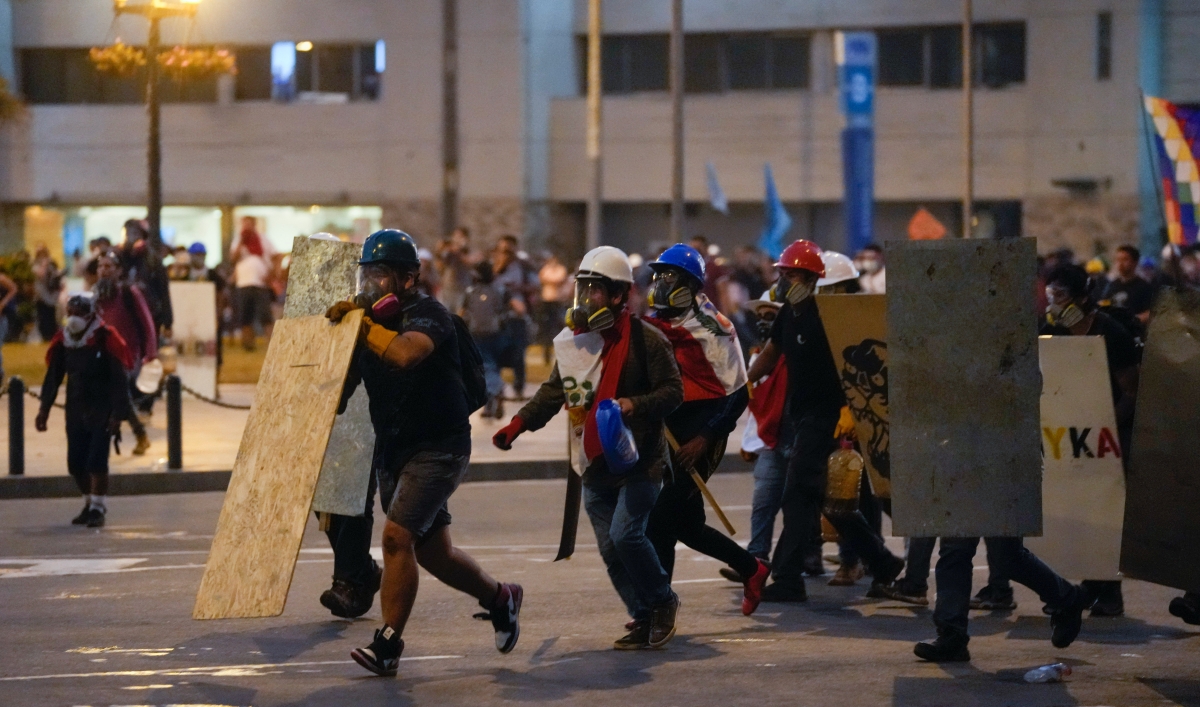
More than 50 people have been killed in southern Peru in protests that broke out in December, and have resulted in street battles between police forces and largely Indigenous groups of protesters who have fought back with rocks, slingshots and homemade rockets.
After 17 protesters were killed in a single day in her region of Puno, Peru, Margarita Condori packed a suitcase, and traveled with dozens of her neighbors to the capital city of Lima.
On Tuesday, they joined thousands of Indigenous people from Peru’s southern highlands who marched through the city center to demand that the nation’s president resign.
“We feel like we’re living through a dictatorship,” Condori said. “We’re here to demand that they hold new elections, and change the constitution.”
More than 50 people have been killed in southern Peru in protests that broke out in December, and have resulted in street battles between police forces and largely Indigenous groups of protesters who have fought back with rocks, slingshots and homemade rockets.
President Dina Boluarte this week called for a truce. But few have listened to her pleas and continue to stage daily demonstrations in Lima, as well as roadblocks in rural areas that are also hurting the economy.
Thousands of people from Peru's southern highlands march through the streets of the capital Lima, calling for President Dina Boluarte's resignation, Jan. 24, 2023.
The protests have turned into a major challenge for Boluarte, who is Peru’s sixth president in as many years. And they highlight how the South American nation’s democracy has been afflicted by corruption scandals and congressional squabbles that have undermined trust in its institutions.
“Boluarte was imposed on us by Congress,” said Margarita Guzman, a resident of Lima who took part in Tuesday’ protest. “It’s like no one cares about our vote.”
The current wave of protests was unleashed by the removal in December of President Pedro Castillo, a leftist teacher and former union leader, who was popular among Indigenous people in Peru’s highlands.
Castillo was facing an impeachment vote in Congress, as well as several corruption investigations. So, in an effort to outmaneuver his political foes, he attempted to dissolve the Legislature and set up an emergency government that would rule by decree until new elections were held Read More…


