PH Home Prices Contract for First Time in 3 Years

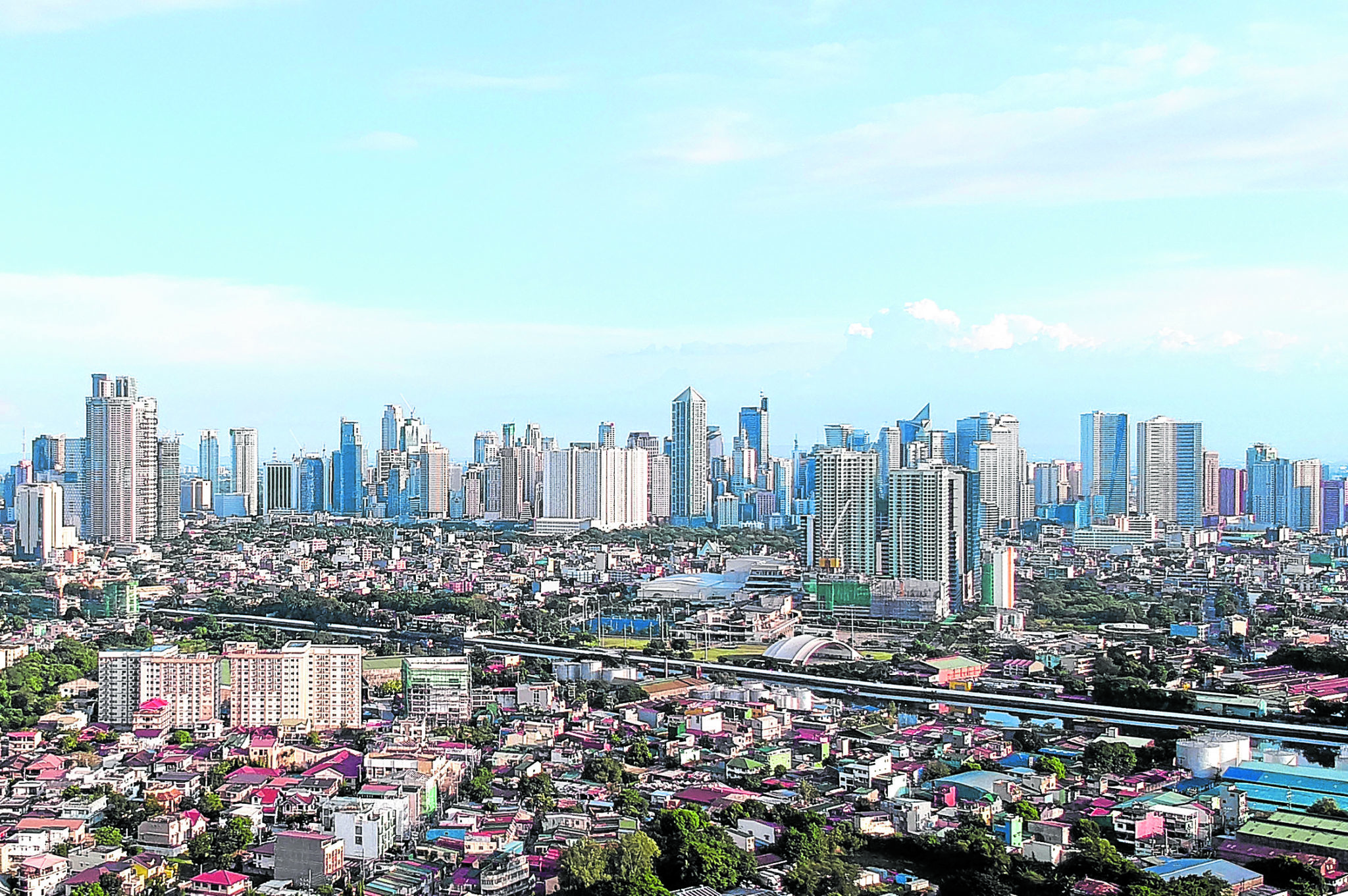
Housing prices in the Philippines have contracted for the first time in three years, reflecting the impact of a high interest rate environment that continues to restrict bank lending to homebuyers. According to the latest data from the Bangko Sentral ng Pilipinas (BSP), the residential real estate price index (RREPI) showed a year-on-year decline of 2.3 percent in the third quarter, marking the first annualized contraction since the first quarter of 2021. On a quarterly basis, housing costs fell by 1.6 percent, reversing two consecutive quarters of positive growth.
The RREPI serves as an indicator for assessing real estate and credit market conditions in the country, measuring the average change in prices of various new housing units based on actual mortgage loan data from banks. It excludes pre-owned or foreclosed homes.
The BSP reported stark contrasts in residential property prices by area. In the National Capital Region (NCR), prices dropped significantly by 15.6 percent, while new home prices in areas outside the capital region increased by 3 percent. Specific types of housing saw notable price changes, with duplex houses experiencing a dramatic decline of 48.1 percent and condominium units decreasing by 9.4 percent. Conversely, prices for single-detached and attached houses grew by 2.9 percent, and townhouses saw a slight increase of 0.7 percent.
This contraction in home prices coincided with a decline in housing loans, as bank credit to homebuyers fell by 15.7 percent in the third quarter. Although this decline was not as severe as during the pandemic, it aligns with the BSP's quarterly consumer survey, which indicated a more pessimistic outlook among households regarding home purchases.
The BSP is now at a crossroads, needing to unwind previous anti-inflation rate hikes to stimulate bank lending and support consumption. In this context, the central bank capped 2024 with a third quarter-point cut to the benchmark interest rate, which banks typically use as a basis for pricing loans. However, banks are also facing challenges with an elevated level of nonperforming mortgage loans. As of the third quarter, residential real estate loans deemed nonperforming—defined as being 90 days late on payments—amounted to PHP 72.74 billion, representing 6.82 percent of the total home lending portfolio, which remains higher than the pre-pandemic level of 3.1 percent.
In summary, the contraction in housing prices and the decline in bank lending signal a challenging environment for the Philippine real estate market. As the BSP navigates these issues, the focus will be on balancing interest rates and addressing the rising levels of nonperforming loans to foster a more stable housing market.