Philippines Can Dream About Football Again, but Continuity Will Be Key
-
 Loading...
 - Asmara Lubis
- 07 Jan 2025
- 51 Views
- 0 Like
- 0 Comment
The year 2024 ended on a high note for Philippine sports, as the men's national football team made a triumphant return to prominence in the recently concluded ASEAN Championship. Their remarkable performance has reignited hope and excitement among Filipinos, offering a glimpse of a bright future for the sport in the country.
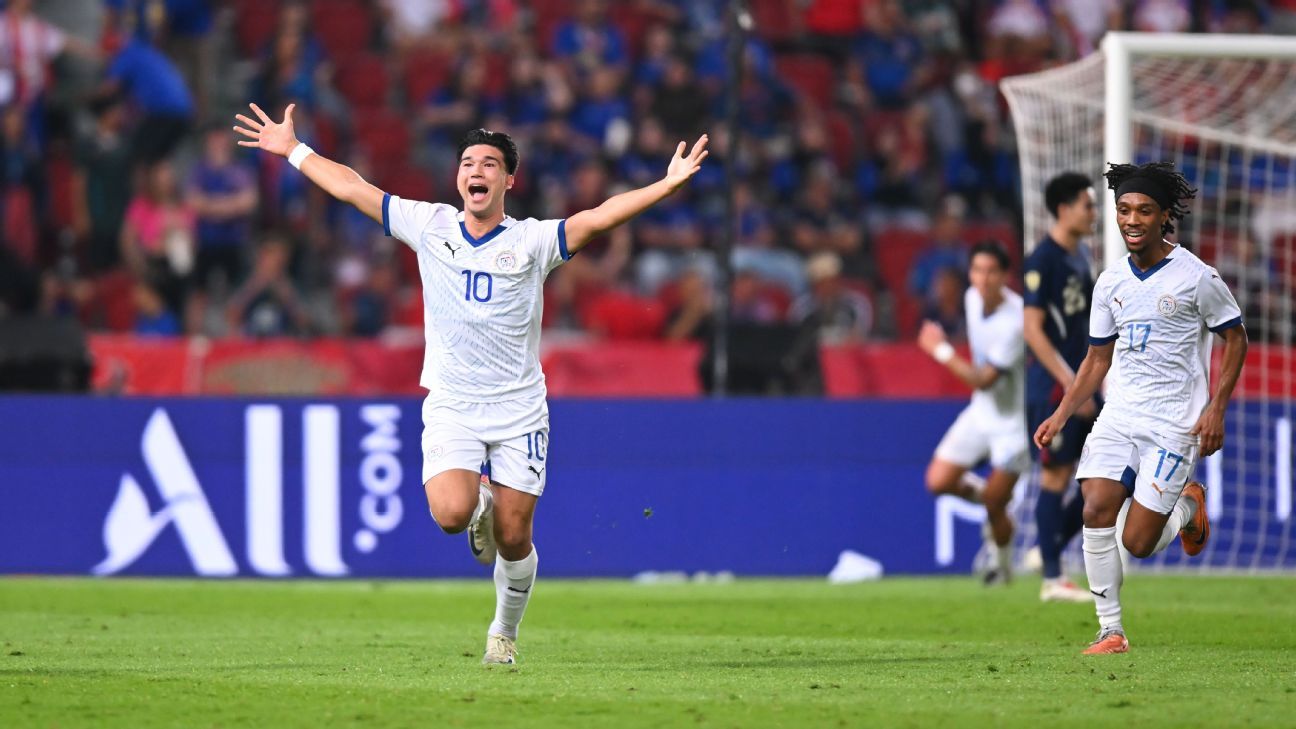
After a six-year drought, the Philippines reached the semifinals of the tournament, marking their first appearance at this stage since 2018. This journey was not just historic; it was filled with moments of resilience and determination that captured the hearts of their supporters. The crowning achievement of their campaign was a stunning victory over Thailand in the first leg of the semifinals, played in front of thousands of fans at Rizal Memorial Stadium. This win was monumental, ending a 52-year streak without a victory against the War Elephants, one of Southeast Asian football's powerhouses.
Although the team fell short of advancing to the finals, losing 4-3 on aggregate after the second leg, their performance was nothing short of inspiring. In the decisive match, the Philippines pushed Thailand to the limit, forcing extra time thanks to Bjørn Martin Kristensen's 84th-minute goal. They had multiple chances to secure a win, including a narrowly missed header and a strike by Amani Aguinaldo.
The tournament showcased the potential and growth of the team, which was the youngest squad to make the semifinals. Despite facing challenges such as the injury to veteran goalkeeper Patrick Deyto, the mid-tournament retirement of Patrick Reichelt, and Aguinaldo's one-game suspension, the Philippines remained undeterred. This resilience was bolstered by the young talents stepping up to fill the gaps left by the veterans.
On the offensive side, Kristensen and Sandro Reyes embodied this youthful promise. At just 22, the Fil-Norwegian Kristensen led the team in the tournament with three goals from seven games. Meanwhile, Reyes emerged as a revelation in midfield, showcasing his composure, vision, and ability to dictate the pace of the game. His contributions included key goals in their draw against eventual champions Vietnam and the historic victory over Thailand.
Defensively, young goalkeeper Quincy Kammeraad rose to the challenge, proving himself as a capable last line of defense. In their two matches against Thailand, Kammeraad made eight crucial saves, demonstrating his ability to handle high-pressure situations.
Now, the challenge for the Philippines will be maintaining consistency with this roster, which largely played its first tournament as a collective unit. Building on this foundation will require continued development and cohesion among the players. The potential is undeniable, but turning this success into sustained performance will be key as they face stronger regional opponents in the future.
Credit must also go to head coach Albert Capellas, whose first stint with the team proved to be a promising start. His tactical acumen, adaptability to unforeseen circumstances, and emphasis on nurturing a dynamic team were evident throughout the tournament. Moving forward, it will be imperative for Capellas to further develop this young squad and translate their potential into consistent success on the international stage.
More than just the players on the pitch, this successful run ignited the passion of Filipinos for football, as fans turned out in droves to support the team during their semifinal home game. The electrifying atmosphere at Rizal Memorial Stadium and the overwhelming encouragement on social media proved that the love for the sport in the Philippines is alive and well.
As the team sets its sights on future tournaments, including the upcoming AFC Asian Cup qualifiers in March, the support of the nation will be crucial. With the right blend of talent, preparation, and unwavering determination, the Philippines may soon transform its football dreams into reality. The journey ahead is filled with promise, and if continuity is maintained, the future of Philippine football looks brighter than ever.