Photography Composition Techniques: 10 Tips to Improve Your Photos (2022)
-
 Loading...
 - Oliver Johnston
- 24 Aug 2022
- 66 Views
- 0 Like
- 0 Comment
A good composition is critical to any successful photograph. Every photographer, from the world’s top pros to a novice with a smart phone, must make compositional decisions when taking a photo. Here is a list of quick ways to help improve your compositions.
1. Subject
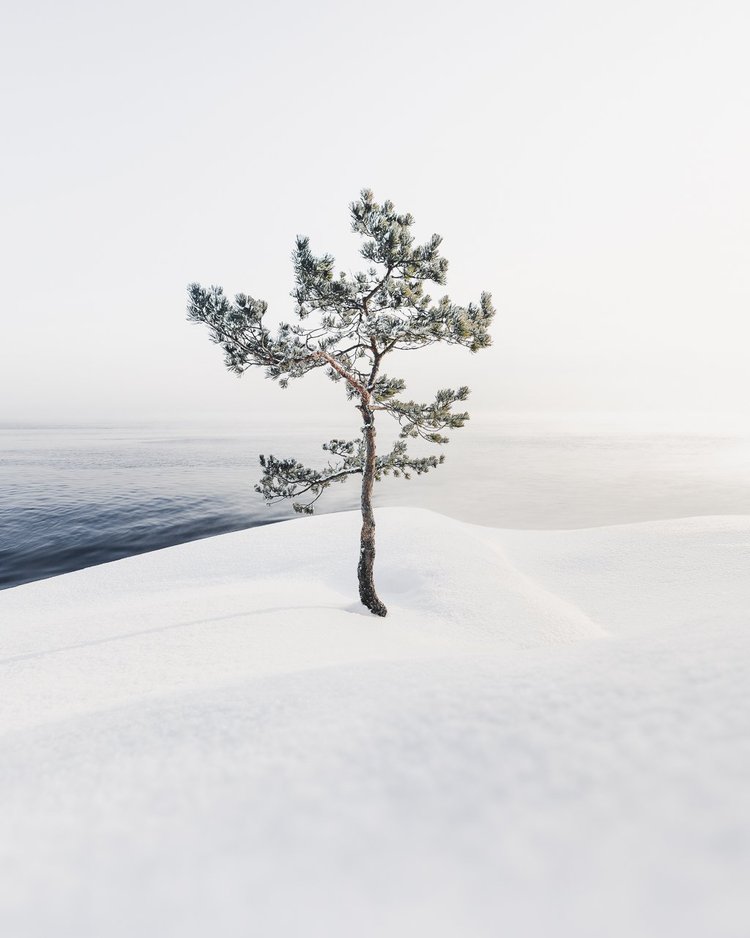
Probably the single most important element of a photograph is the subject. A subject can take many forms, but ultimately it is what you want to show the viewer. A photo without a subject will lack interest and fail to convey anything of significance. While it may seem obvious to take a picture of “something”, I see many photographers taking photos without a clear subject. A person, place, or things are clear subjects, but a subject can also be more abstract like a mood or pattern. When taking a photograph, it is important to ask yourself what it is you are making this image of? If you can easily answer that question it is likely that you have a clear subject.
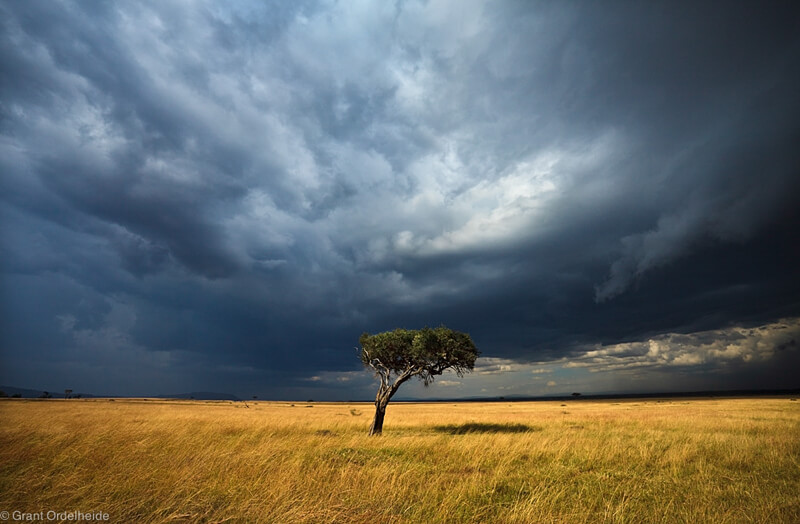
This acacia tree in this image becomes a clear subject due to its placement, the light, and the background. What drew me to this tree was the way that the dark storm clouds seemed to swirl above the scene. By placing the tree in the lower middle, I emphasize the tree while highlighting the impending storm above it.

2. Rule of thirds
If you have ever taken a class on photography, you have likely heard of the rule of thirds. The rule of thirds is one of the quickest ways to get your photography on the right track. The method involves dividing the frame into thirds both vertically and horizontally. These lines provide a basis of where to place points of interest and other lines within the frame. For example, a horizon works well when it is placed in on the upper third or lower third of a frame. While it is a good idea not to get too rigidly attached to thirds, this rule is a great starting place for setting up a composition.
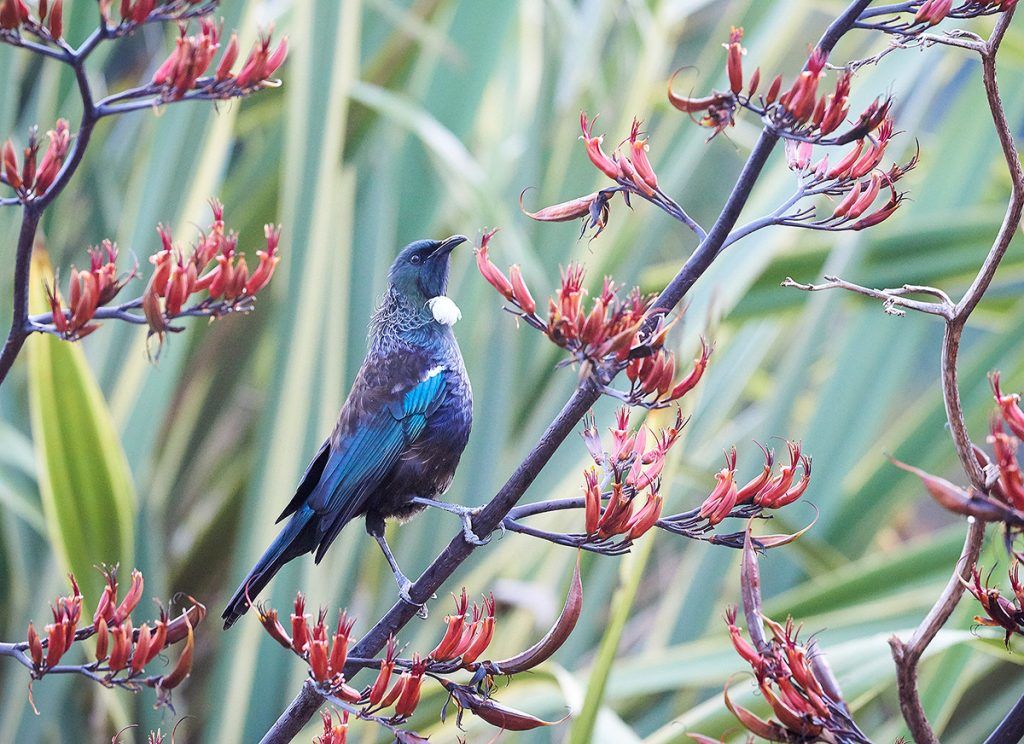
The rule of thirds breaks down the frame into vertical and horizontal thirds. In this example you can see the grid and how I placed the focal point of the image, the birds eye, at the intersection of the lines. These intersections are a natural place for points of interest.