Plan for scores of hydrogen filling stations by 2030 looking shaky
-
 Loading...
 - Dominik Broz
- 30 Mar 2022
- 361 Views
- 0 Like
- 0 Comment
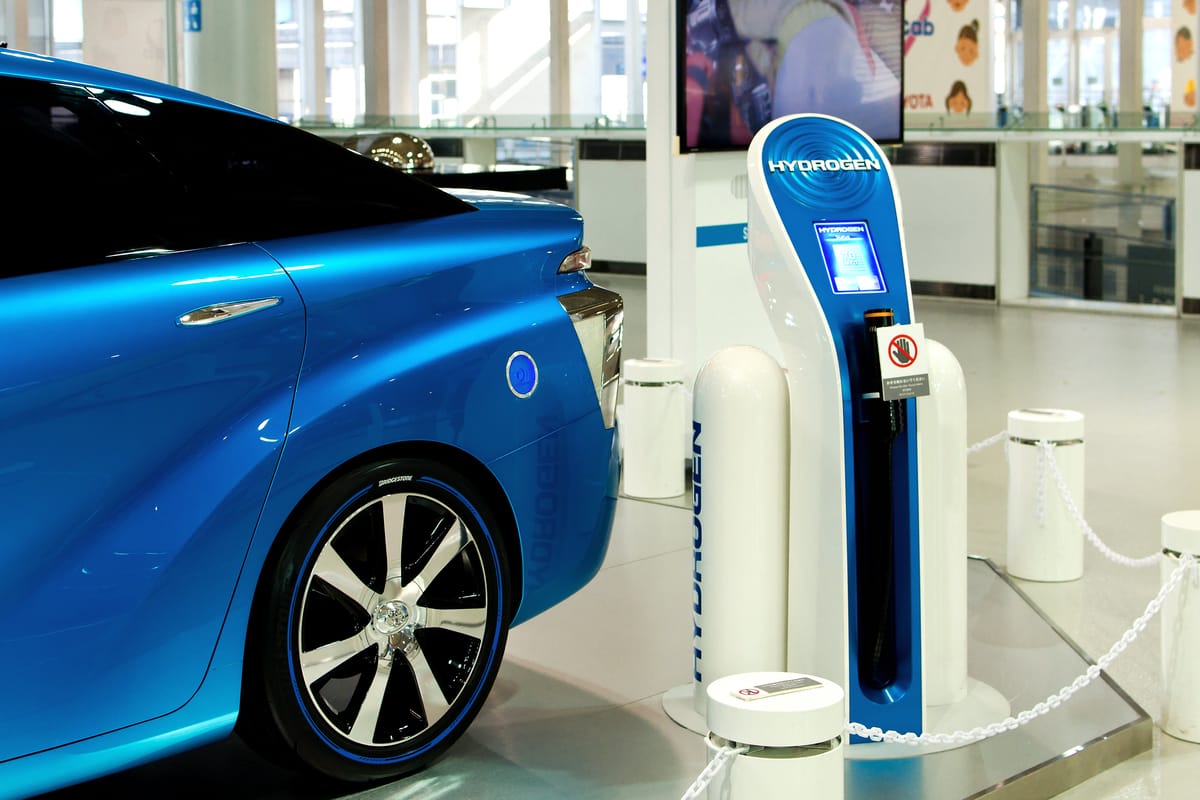
At present there is only one hydrogen filling station in the country, though nine more are being built, the Czech News Agency reported.
Speaking at a seminar on the subject in Prague on Tuesday, Jan BezdÄ›kovský of the Czech Ministry of Transport said there would be up to 50,000 cars and 870 buses running on hydrogen in the country by the end of this decade.
Mr. BezdÄ›kovský said hydrogen technologies should start making an impact after 2025. Nevertheless, plans in this regard have been affected by two years of the coronavirus, he said, adding that the plan for 80 filling stations by 2030 was very optimistic.
In the years 2017 to 2020, the Ministry of Transport supported the construction of nine hydrogen filling stations from the operational program, at a cost of CZK 354 million crowns.
The ministry has come up with 85 percent of the costs, facilitating the establishment of hydrogen stations in Prague, Brno, Ostrava, Pilsen, Ústí nad Labem and Litvínov.
However, Mr. BezdÄ›kovský said, there were already indications from various applicants that they would not be able to complete the projects by the deadline, with some only now launching tender processes.
The operation programme is unfortunately nearing its end, the official said.
The Czech government will probably have to discuss postponing the deadline with the European Commission, Mr. BezdÄ›kovský said.
According to Mr.BezdÄ›kovský, the commitment to build a network of hydrogen filling stations is currently being discussed at government level, and the relevant regulation will be revised in 2026.
The density of the network of filling stations is one issue, with the possibilities being either every 150 or 300 kilometers on the Trans-European Transport Network (TEN-T).
In the years 2022 to 2027, the Ministry of Transport plans to allocate from CZK 500 million to CZK 1 billion from the operational program for the construction of hydrogen filling stations.
It is estimated that this support will create ten to 15 stations. The start is planned for July this year and support will again amount to 85 percent of the cost. Read More...