Polyolefin Shrink Film vs. PVC: Why Polyolefin Shrink Equipment is the Better Choice
-
 Loading...
 - Maripak USA
- 01 Apr 2025
- 40 Views
- 0 Like
- 0 Comment
When it comes to packaging and product protection, shrink films play an essential role in ensuring the safety, presentation, and longevity of various products. Among the most commonly used shrink films are polyolefin (POF) and polyvinyl chloride (PVC). While both materials serve the purpose of securing and protecting items, polyolefin shrink film has emerged as the superior option in terms of performance, safety, and sustainability. For businesses seeking to improve their packaging operations, investing in polyolefin shrink equipment offers significant advantages over using PVC-based systems.
Understanding Polyolefin and PVC Shrink Films
Polyolefin and PVC shrink films are both thermoplastic materials that contract when exposed to heat, creating a tight seal around the product. However, they differ in terms of composition, properties, and overall effectiveness in various packaging applications.
PVC Shrink Film:
PVC shrink film was once the industry standard due to its low cost and ease of use. It is composed of polyvinyl chloride, a material that becomes pliable and contracts when heated. PVC shrink film is known for its high clarity, allowing for excellent product visibility. However, despite these advantages, PVC shrink film comes with several drawbacks that have led many industries to transition to polyolefin alternatives.
Polyolefin Shrink Film:
Polyolefin shrink film is a newer, more advanced material that offers superior strength, durability, and clarity. It is composed of polymer chains of ethylene and propylene, making it a safer and more flexible option for various packaging needs. Polyolefin shrink film is widely used in industries such as food, pharmaceuticals, and consumer goods due to its ability to maintain product integrity while providing a professional and aesthetically pleasing appearance.
Why Polyolefin Shrink Equipment is the Better Choice
Businesses that make the switch from PVC to polyolefin shrink film benefit not only from better packaging quality but also from the use of more efficient and environmentally friendly polyolefin shrink equipment. Here are some compelling reasons why polyolefin shrink equipment outperforms PVC systems.
1. Safety and Environmental Benefits
Polyolefin shrink film is considered a safer alternative to PVC because it does not release harmful chlorine gas when heated. PVC shrink film, when exposed to heat during the shrinking process, can emit toxic fumes that are hazardous to both operators and the environment. Polyolefin, on the other hand, is a more eco-friendly material that meets regulatory standards for environmental safety. Businesses prioritizing sustainability and employee safety find polyolefin shrink equipment to be a more responsible choice.
2. Superior Strength and Durability
Polyolefin shrink film is known for its high tensile strength, which allows it to resist punctures and tears during handling and transportation. This durability ensures that products remain securely packaged, reducing the likelihood of damage. Additionally, polyolefin film is more flexible, allowing for a wider range of applications across different industries. Polyolefin shrink equipment is specifically designed to handle this robust material, ensuring consistently high-quality results.
3. Enhanced Clarity and Presentation
Product visibility is crucial in retail environments where consumers often make purchasing decisions based on the appearance of the packaging. While PVC shrink film offers decent clarity, polyolefin shrink film provides superior visual appeal. It remains crystal clear and does not become brittle over time, giving packaged products a more polished and professional look. Polyolefin shrink equipment is optimized to maintain this high level of clarity, ensuring that products stand out on store shelves.
4. Versatility and Compatibility
Polyolefin shrink film is highly versatile and suitable for packaging a wide variety of products, including food, beverages, cosmetics, pharmaceuticals, and electronics. Unlike PVC, which may not be suitable for all applications due to its brittleness and lower resistance to cold temperatures, polyolefin performs well across different environments. Polyolefin shrink equipment is designed to accommodate this versatility, making it a valuable asset for businesses with diverse packaging needs.
5. Cost Efficiency and Longevity
Although the initial investment in polyolefin shrink equipment may be higher, the long-term benefits far outweigh the costs. Polyolefin shrink film requires less maintenance and fewer replacements compared to PVC, reducing overall operational expenses. Additionally, polyolefin shrink equipment is built to handle high-volume packaging, ensuring consistent performance and efficiency over time.
Making the Switch: The Importance of Quality Equipment
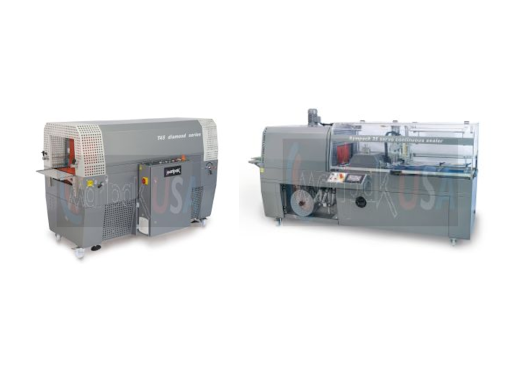
Transitioning from PVC to polyolefin shrink film requires the use of specialized equipment that is compatible with the material’s properties. Polyolefin shrink equipment includes heat tunnels, sealers, and shrink wrap machines designed to apply the appropriate amount of heat and pressure to achieve a secure seal without compromising the integrity of the product. To maximize efficiency and ensure a smooth transition, businesses should invest in reliable and high-quality equipment tailored to their specific packaging requirements.
Conclusion
In conclusion, polyolefin shrink film has proven to be a superior alternative to PVC due to its enhanced safety, durability, and aesthetic qualities. Businesses looking to improve their packaging operations can benefit significantly by adopting polyolefin shrink equipment that is designed to work seamlessly with this advanced material. Moreover, for businesses seeking an efficient and reliable sealing solution, incorporating a semi-automatic L-sealer machine into their production line can further enhance packaging efficiency and product presentation.


