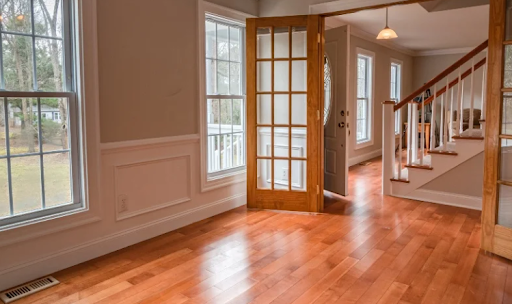
Polyurethane Coating Wood: How To Protect And Beautify Your Woodwork
-
 Loading...
 - Ameli Smith
- 09 Sep 2024
- 381 Views
- 0 Like
- 0 Comment
Woodwork, whether it's furniture, flooring, or cabinetry, adds warmth and character to any space. However, wood is a natural material that can be prone to wear and tear, especially when exposed to the elements or heavy use. To preserve the beauty and longevity of your woodwork, applying a polyurethane coating wood finish is one of the best methods. This protective layer not only enhances the wood's natural appearance but also provides a durable shield against moisture, scratches, and other potential damages.
Understanding Polyurethane Coating for Wood
Polyurethane is a synthetic resin that creates a hard, protective layer when applied to surfaces. It's widely used for sealing and protecting wood due to its durability and resistance to water, chemicals, and abrasion.
Benefits of Using Polyurethane Coating on Wood
1. Protection Against Moisture and Humidity
Wood is highly susceptible to damage from moisture and humidity. Polyurethane creates a waterproof barrier that prevents water from penetrating the wood, protecting it from swelling, warping, or rotting. This is particularly important for wood surfaces in kitchens, bathrooms, and other areas exposed to moisture.
2. Enhanced Durability
A polyurethane coating adds a hard, protective layer to the wood, making it resistant to scratches, dents, and other forms of physical damage. This durability is especially crucial for surfaces that endure heavy use, such as floors and tabletops.
3. Improved Aesthetic Appeal
Polyurethane enhances the natural beauty of wood by bringing out its grain and colour. Whether you prefer the warm, amber glow of oil-based polyurethane or the clear, natural look of water-based polyurethane, this finish will make your woodwork look polished and professional.
4. Easy Maintenance
Wood surfaces coated with polyurethane are easy to clean and maintain. The smooth finish repels dust and dirt, making it simple to wipe down with a damp cloth. Additionally, the protective layer reduces the need for frequent refinishing, saving you time and effort in the long run.
5. Versatility Across Applications
Polyurethane can be used on a wide range of wood surfaces, from floors and furniture to cabinets and trim. It is also compatible with various wood types, including hardwoods like oak and maple, as well as softer woods like pine. This versatility makes polyurethane an ideal choice for both residential and commercial applications.
Applying Polyurethane Coating: A Step-by-Step Guide
Step 1: Prepare the Surface
Before applying polyurethane, ensure that the wood surface is clean, dry, and free of dust and debris. If the wood has an existing finish, lightly sand it to create a smooth surface for the new coating to adhere to. Use fine-grit sandpaper (220 grit) and sand in the direction of the wood grain.
Step 2: Apply the First Coat
Stir the polyurethane well before use, but avoid shaking it to prevent air bubbles. Using a high-quality brush or foam applicator, apply a thin, even coat of polyurethane in long, smooth strokes. Be sure to work in a well-ventilated area to avoid inhaling fumes, especially when using oil-based polyurethane.
Step 3: Allow to Dry and Sand Between Coats
Allow the first coat to dry completely, which typically takes 24 hours for oil-based polyurethane and 4-6 hours for water-based polyurethane. Once dry, lightly sand the surface with fine-grit sandpaper to remove any imperfections or raised grain. Wipe away the dust with a tack cloth before applying the next coat.
Step 4: Apply Additional Coats
Apply at least two to three additional coats of polyurethane, sanding between each coat. The more coats you apply, the more durable and glossy the finish will be. For surfaces that will experience heavy use, such as floors, consider applying four to five coats for maximum protection.
Step 5: Final Touches
After the final coat has dried, inspect the surface for any remaining imperfections. If needed, lightly sand and polish the surface for a smooth, flawless finish. Once the polyurethane has fully cured, which can take up to a month, your woodwork will be ready for use.
Polyurethane vs. Industrial Floor Paint
While polyurethane is an excellent choice for wood surfaces, you may wonder how it compares to industrial floor paint for more demanding applications. Industrial floor paint is designed to provide a tough, durable finish for concrete floors in warehouses, factories, and other high-traffic areas. Unlike polyurethane, which is more flexible and suitable for wood, industrial floor paint is formulated to withstand heavy machinery, chemical spills, and extreme wear.
Both coatings have their unique strengths, so choosing the right one depends on the specific needs of your project. For wood surfaces, polyurethane remains the top choice due to its combination of protection, durability, and aesthetic appeal.
Conclusion
Applying a polyurethane coating wood finish is one of the best ways to protect and beautify your woodwork. Whether you're refinishing floors, cabinets, or furniture, polyurethane provides a durable, long-lasting barrier that enhances the wood's natural beauty while safeguarding it from moisture, scratches, and other damages.


