Popular Games And Activities Adapted For Kids With Autism Spectrum Disorder
-
 Loading...
 - Stephen Amponsah
- 15 Feb 2023
- 57 Views
- 0 Like
- 0 Comment
Your child on the autism spectrum just wants to play like all of the other kids. Unfortunately, some games might be more challenging for them, at least for the first few play-throughs. That doesn’t mean that your child shouldn’t get to play!
There are ways that you can modify common children’s games to make them more accessible for children on the autism spectrum. Whether they only need modifications when they’re starting out or they use them long-term, they’re super easy. Let’s talk about them!
Read on to learn all about how to adapt popular games for kids with ASD.
Hopscotch
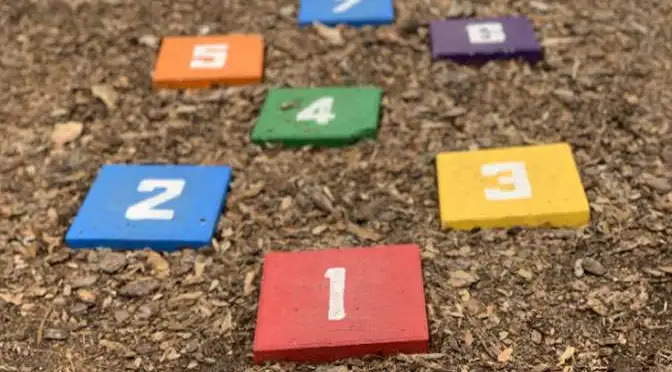
Hopscotch is a fantastic game for children with autism. As a matter of fact, hopscotch resembles a sensory path. Sensory paths are great for neurodivergent children and they’re commonly used in schools and daycares.
Hopscotch can also be frustrating, however. It requires a good amount of dexterity and it’s difficult for children who are still developing their gross motor skills. Of course, that’s what makes it such a valuable game.
Hopscotch is fairly straightforward, but you can modify it in various ways depending on your child’s specific needs.
Let’s say your child has fairly good gross motor skills, but they have a hard time keeping track of numbers. This leads them to get frustrated when they play because they can complete the task, but they may still do it “wrong” if the numbers confuse them.
Instead, use colors. This is an easy switch! You can combine numbers and colors to help the child understand numbers while they play.
You can also focus on specific skills to help your child’s motor skills. Maybe if they struggle with fine motor skills, the real challenge won’t be hopping, but picking up the marker they tossed. Let them walk to the right spot to pick it up to break the motion down.

Tag
Everyone knows tag! Tag is a great game for young children who are working on their gross motor skills and who are a bit too young to understand complex rules. The game is simple: one person is “it” and they have to tag another person to then becomes “it.” The game continues indefinitely.
There are, of course, variations. In some games, every person “it” tags becomes an extra “it” and the last person standing wins. In other games, the person “it” tags has to freeze until a non “it” player unfreezes them. Read More…