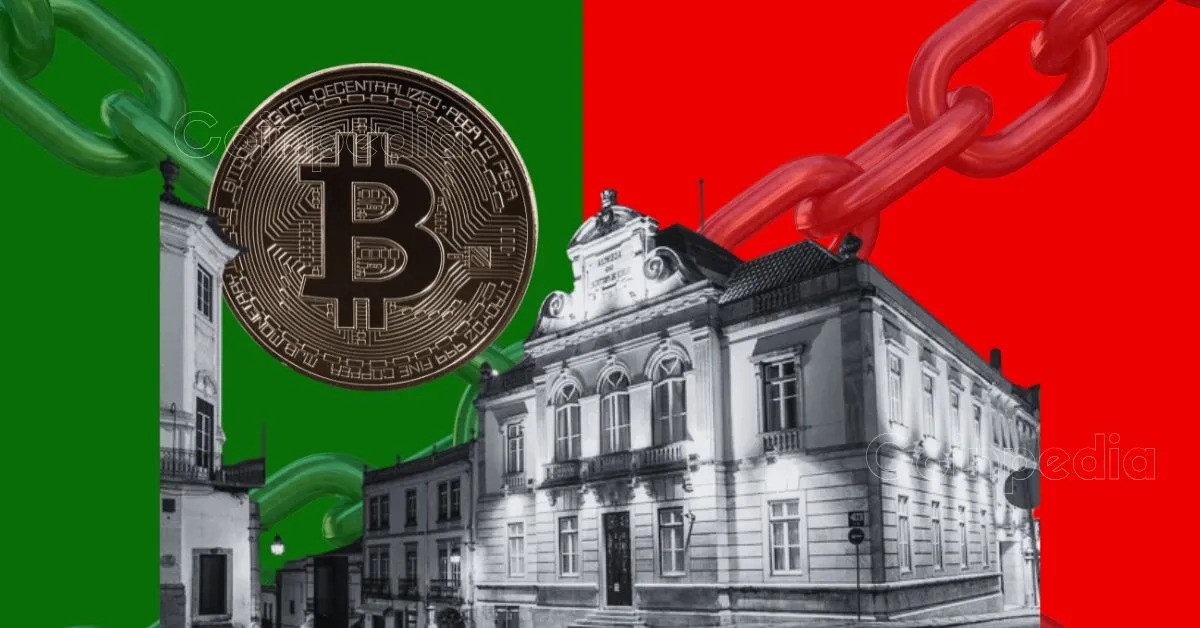
Portugal's BiG Bank Blocks Crypto Transfers Amid Tightening EU Regulations
-
 Loading...
 - Bridget Walsh
- 05 Feb 2025
- 29 Views
- 0 Like
- 0 Comment
Banco de Investimentos Globais (BiG), one of Portugal's prominent banks, has announced a decision to block fiat transfers to cryptocurrency platforms, citing compliance with European regulations. This move has ignited discussions about Portugal's shifting stance on digital assets, which was previously characterized by a welcoming attitude towards crypto enthusiasts.
BiG's decision aligns with increasing regulatory scrutiny from the European Central Bank, the European Banking Authority, and the Bank of Portugal, emphasizing adherence to national rules regarding anti-money laundering and counter-terrorism financing. While BiG restricts these transfers, other banks in Portugal, such as Caixa Geral de Depósitos, continue to facilitate them, indicating that BiG's approach is not yet a universal standard across the country.
This action coincides with Portugal's broader regulatory changes, including the introduction of a 28% capital gains tax on short-term crypto holdings, marking a significant departure from its earlier crypto-friendly policies. The timing is particularly relevant as it follows the implementation of the EU's Markets in Crypto-Assets Regulation (MiCA), which aims to establish a unified framework for digital assets across Europe. However, BiG's decision highlights the varying interpretations of these regulations within the same country.
Critics of BiG's restrictive approach have voiced concerns, with Portuguese crypto entrepreneur José Maria Macedo describing the move as an abuse of power that could drive individuals towards decentralized finance (DeFi) alternatives. Similarly, Mario Nawfar pointed out that this shift, coupled with the new crypto tax laws, may further encourage users to explore DeFi options.
In contrast to Portugal's tightening regulations, other European countries are taking diverse approaches to cryptocurrencies. For instance, the Czech Republic's central bank governor has suggested including Bitcoin in the country's foreign exchange reserves, while France's BPCE plans to introduce Bitcoin and other crypto services in 2025 through its subsidiary Hexarq. Germany's Deutsche Bank is working on blockchain compliance solutions, and Switzerland continues to embrace a progressive stance, with banks like St. Galler Kantonalbank offering crypto trading services.
BiG's actions stand in contrast to the broader European trend of banks expanding into the crypto space under the MiCA framework. While the MiCA regulations provide a foundation for trust by ensuring that only compliant crypto platforms can operate within the EU, Portugal's evolving crypto landscape reflects a tension between regulatory ambitions and its previous image as a crypto haven. It remains to be seen whether other Portuguese banks will adopt similar restrictive policies or maintain a more crypto-friendly approach.