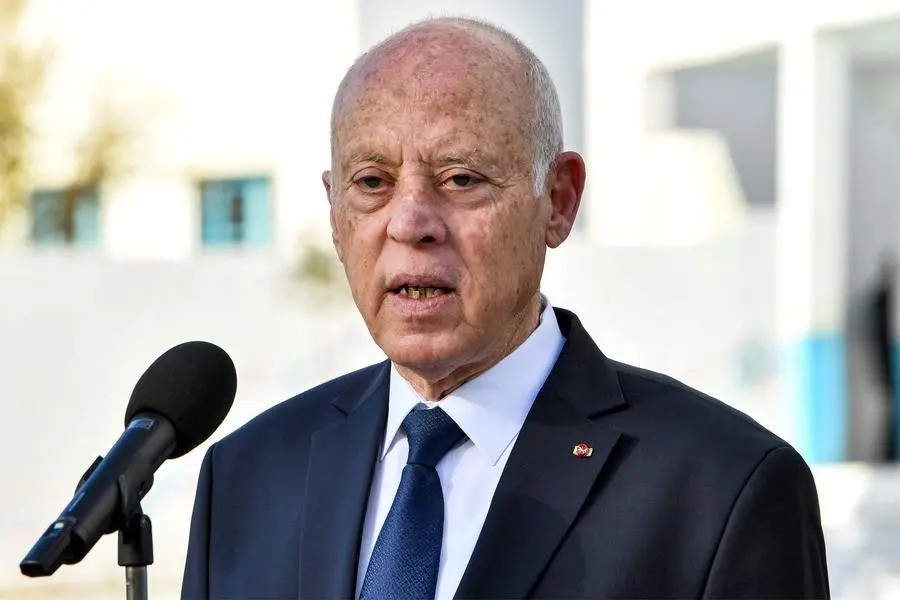
President Kais Saied Focuses on Completing Health Projects
-
 Loading...
 - Oscar Hayes
- 13 Dec 2024
- 52 Views
- 0 Like
- 0 Comment
On Monday, President Kais Saied convened a meeting at Carthage Palace with Health Minister Mustapha Ferjani to discuss the urgent completion of various health projects across Tunisia. The meeting underscored the government's commitment to enhancing the healthcare infrastructure in the country.
During the meeting, President Saied highlighted the importance of finalizing projects related to several hospital facilities that are either nearing completion or have stalled despite the availability of funds. Specific attention was given to health facilities in municipalities such as Sbeitla, Jelma, Nefta, and Bouhajla. The President's insistence on completing these projects reflects a broader strategy to improve healthcare access and quality for all Tunisians.
The discussion also included the establishment of specialized telemedicine clinics, which are intended to provide essential health services to patients, particularly in regions where such services are currently lacking. This initiative aims to leverage technology to bridge the gap in healthcare access, ensuring that even remote areas receive adequate medical attention.
Another critical topic addressed was the need for a new legal framework that would offer incentives for doctors, paramedics, and healthcare workers. The President noted that many talented Tunisian professionals living abroad have expressed a desire to return to the country, motivated by a sense of national responsibility during this pivotal time in Tunisia's history. Creating an attractive environment for these professionals is essential for strengthening the healthcare system and retaining local talent.
President Kais Saied's meeting with Health Minister Mustapha Ferjani underscores the government's proactive approach to addressing healthcare challenges in Tunisia. By focusing on completing stalled projects, enhancing telemedicine services, and incentivizing healthcare professionals, the administration aims to build a more robust and accessible healthcare system for all Tunisians. As these initiatives progress, they hold the potential to significantly improve health outcomes and foster a sense of national pride among healthcare workers.