Preventing Hair Loss: Effective Tips for Maintaining Hair
-
 Loading...
 - Brown Wilson
- 09 Jul 2024
- 67 Views
- 0 Like
- 0 Comment
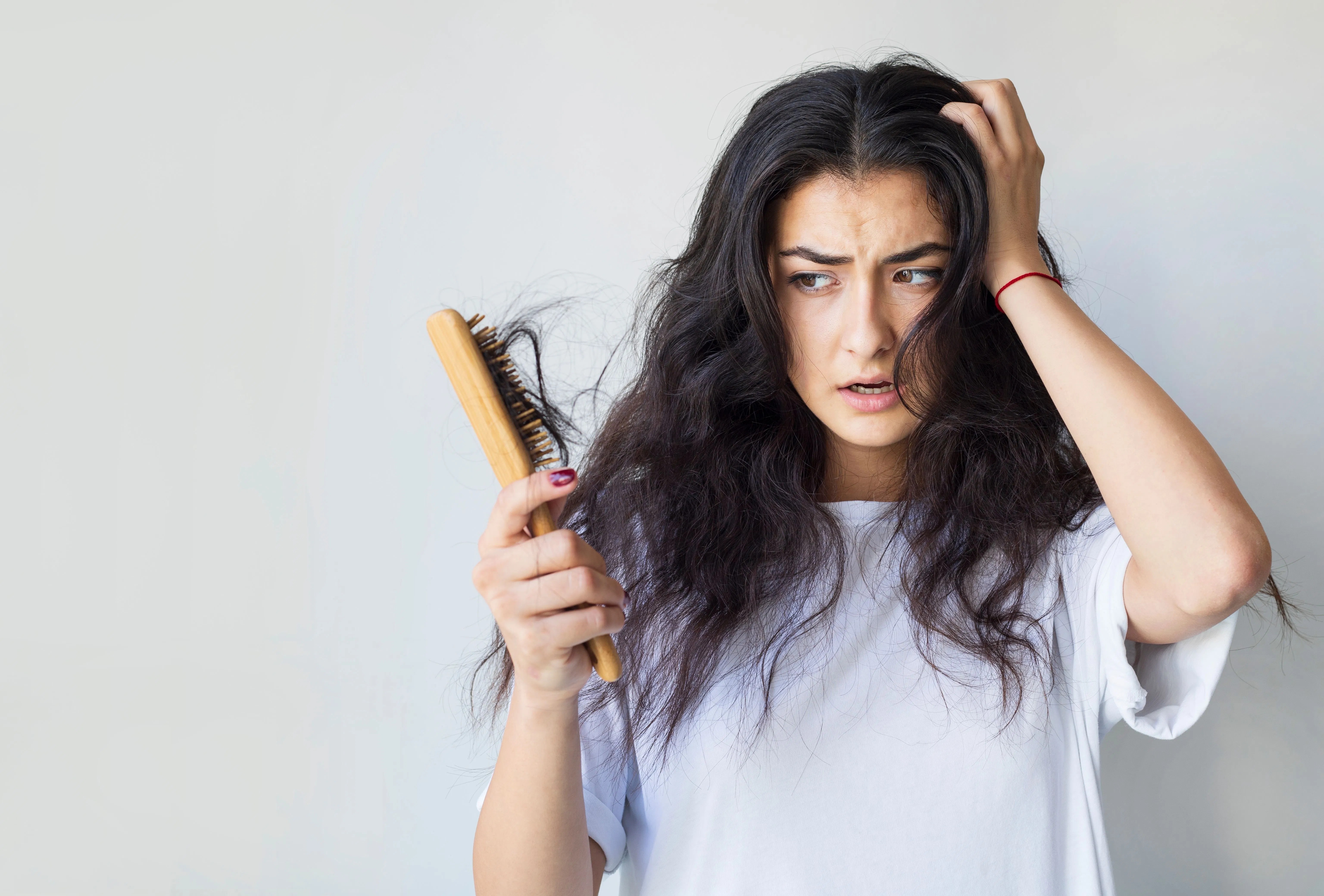
Hair loss is a common concern that affects many people at various stages of life. While it can be distressing, there are several effective strategies to prevent hair loss and maintain healthy, strong hair. This article provides practical tips on hair care, diet, lifestyle changes, and treatments to help you keep your hair looking its best.
Understanding Hair Loss
Common Causes
Hair loss can result from various factors, including genetics, hormonal changes, medical conditions, medications, and lifestyle choices. Identifying the underlying cause is crucial for effective prevention and treatment.
Types of Hair Loss
The most common types of hair loss include androgenetic alopecia (pattern baldness), telogen effluvium (temporary hair shedding), and alopecia areata (an autoimmune condition). Understanding the type of hair loss you are experiencing can guide appropriate treatment.
Healthy Hair Care Practices
Gentle Hair Washing
Wash your hair regularly to keep your scalp clean, but avoid over-washing, which can strip natural oils and lead to dryness. Use a mild shampoo suited to your hair type and focus on massaging the scalp gently to promote circulation.
Proper Conditioning
Condition your hair after every wash to keep it hydrated and manageable. Concentrate on the ends of your hair and avoid applying conditioner to the scalp, as this can weigh down your hair and make it look greasy.
Avoiding Heat Damage
Minimize the use of heat styling tools like blow dryers, curling irons, and straighteners. When using them, apply a heat protectant spray to shield your hair from damage. Opt for air-drying your hair whenever possible.
Diet and Nutrition
Essential Nutrients for Hair Health
A balanced diet rich in essential nutrients is vital for healthy hair. Key nutrients include:
Protein: Hair is primarily made of protein, so ensure you have enough in your diet.
- Iron: Iron deficiency can lead to hair loss. Include iron-rich foods like lean meats, beans, and spinach.
- Omega-3 Fatty Acids: Found in fish, flaxseeds, and walnuts, these fatty acids promote scalp health.
- Vitamins: Vitamins A, C, D, and E, along with B-vitamins like biotin, support hair growth and health.
Foods to Include in Your Diet
Incorporate foods like eggs, berries, nuts, seeds, and leafy greens into your diet to provide the nutrients your hair needs. A varied and nutrient-dense diet supports overall health and hair vitality.
Supplements to Consider
If you find it challenging to get enough nutrients from your diet alone, consider supplements. Biotin, collagen, and multivitamins specifically formulated for hair health can be beneficial. Consult with a healthcare provider before starting any supplement regimen.
Lifestyle Changes
Reducing Stress
Stress can contribute to hair loss, so finding ways to manage it is essential. Practice relaxation techniques such as meditation, yoga, or deep-breathing exercises. Regular physical activity can also help reduce stress levels.
Adequate Sleep
Quality sleep is crucial for overall health, including hair health. Aim for 7-9 hours of sleep per night to allow your body to repair and regenerate, including your hair follicles.
Regular Exercise
Exercise improves blood circulation, which can benefit your scalp and hair follicles. Aim for at least 30 minutes of moderate exercise most days of the week to promote overall well-being.
Avoiding Harmful Practices
Limiting Chemical Treatments
Chemical treatments like coloring, perming, and relaxing can weaken your hair and lead to breakage. If you choose to undergo these treatments, do so sparingly and ensure they are performed by a professional.
Being Gentle with Wet Hair
Wet hair is more susceptible to damage. Avoid rough towel drying and instead, gently squeeze out excess water and use a wide-tooth comb to detangle your hair.
Choosing the Right Hair Products
Select hair products that are free from harsh chemicals and sulfates. Look for products that are formulated for your specific hair type and needs, such as moisturizing shampoos for dry hair or volumizing products for fine hair.
Medical Treatments and Remedies
Over-the-Counter Solutions
Over-the-counter treatments like minoxidil (Rogaine) can help stimulate hair growth and prevent further loss. These products are available in topical forms and can be effective for some individuals.
Prescription Medications
In cases of significant hair loss, prescription medications such as finasteride (Propecia) may be recommended by a healthcare provider. These medications can help slow hair loss and promote regrowth.
Natural Remedies
Natural remedies like essential oils (e.g., rosemary, peppermint) and scalp massages can also support hair health. While these remedies may not work for everyone, they can be a gentle addition to your hair care routine.
Preventing hair loss involves a combination of healthy hair care practices, proper nutrition, lifestyle changes, and, if necessary, medical treatments. By adopting these strategies, you can maintain strong, healthy hair and reduce the risk of hair loss. Consistency and patience are key, so start incorporating these tips into your daily routine and enjoy the benefits of healthier hair.
FAQs
What are the common causes of hair loss?
Common causes of hair loss include genetics, hormonal changes, medical conditions, medications, and lifestyle factors such as stress and poor nutrition.
How often should I wash my hair?
Wash your hair as often as needed to keep your scalp clean, typically 2-3 times a week. Over-washing can strip natural oils and cause dryness.
What nutrients are essential for hair health?
Essential nutrients for hair health include protein, iron, omega-3 fatty acids, and vitamins A, C, D, E, and B-vitamins like biotin.
Can stress cause hair loss?
Yes, stress can contribute to hair loss by disrupting the hair growth cycle. Managing stress through relaxation techniques and regular exercise can help mitigate this effect.
Are there effective over-the-counter treatments for hair loss?
Yes, over-the-counter treatments like minoxidil (Rogaine) can help stimulate hair growth and prevent further loss.
How can I choose the right hair products?
Choose hair products free from harsh chemicals and sulfates, and select those formulated for your specific hair type and needs.