Pursue a Career in IoT Development: 17 Free Courses to Get You Started

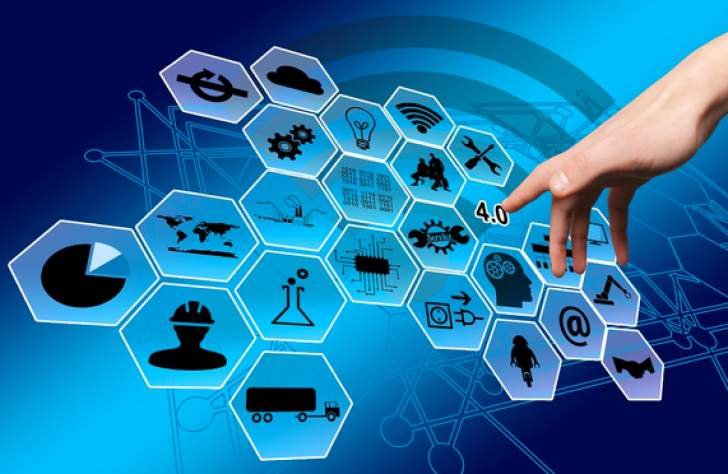
Network devices with embedded information systems can be found at every turn. This means there is a growing need for IoT developers to create them. What skills does an aspiring IoT developer need to gain a foothold in the IoT industry?
What is Necessary to Know for IoT Developers
Smart homes, cars, and offices have become quite popular recently. Not surprisingly, this segment requires a lot of specialists capable of ensuring the proper and safe operation of networks and devices.
The importance of Internet of Things (IoT) technology has become even more apparent after the GSMA predicted there will be 25 billion connected smart devices by 2025. IoT Analytics published data on 12 billion connections in 2020.
Let’s figure out what skills a novice IoT developer needs to master the profession.
C and C++ Programming Languages
C/C++ syntax is quite complex, but you have to learn it. Languages of this family are actively used for efficient coding of IoT systems that interact with basic hardware. C/C++ memory handling and optimization capabilities allow you to squeeze the maximum performance out of under-resourced devices. The basics you should know:
Binary and hexadecimal number systems.
C operators and expressions.
Control operators.
Functions. Working with memory.
Data types. Basics of object-oriented programming (C++). User-defined data types.
Program structure in C.
Preprocessor.
IDE and development tools.
Standard C/C++ libraries.
You can also develop software for IoT devices in other programming languages: Java, Python, JavaScript, Swift, PHP, etc.
Linux
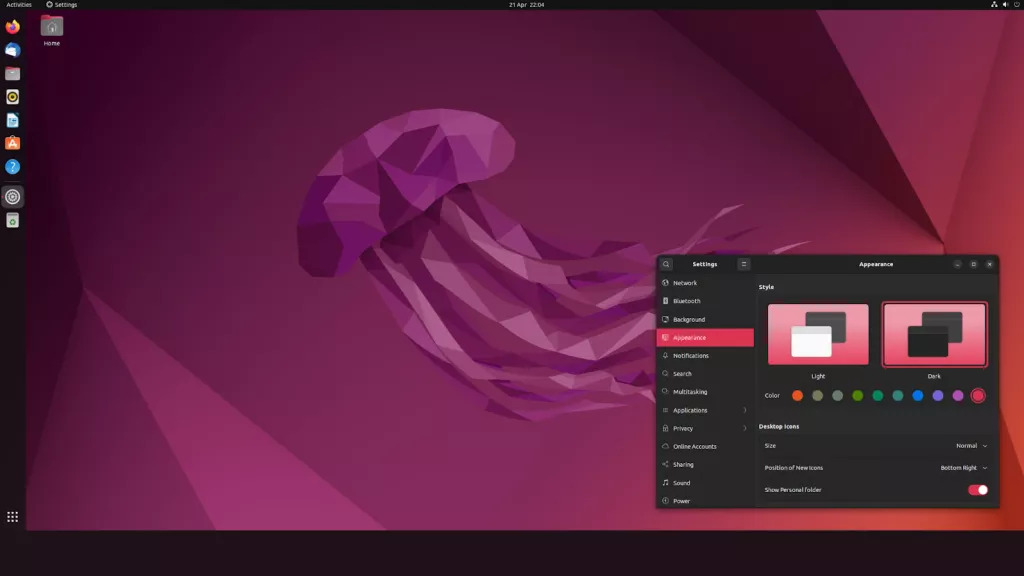
Various operating systems and even general-purpose systems are used to control smart devices, many of which are based on GNU/Linux. The future smart device engineer needs to know the basics of this OS. It is worth choosing and learning a specific distribution if you have never encountered Linux. Pay attention to the following topics:
Users. Managing users and groups.
Booting the operating system and processes.
Layout of a Linux file system. The concept of a file and a directory.
Bash scripts. The crontab and task scheduler.
Managing packages and repositories. Network security basics.
A distribution based on Debian/Ubuntu (e.g. Linux Mint) is worth installing as a second system. These systems are used, in particular, on the popular Raspberry Pi microcomputer, so experience with them would not be out of place.
Microcontrollers
Many Internet of Things applications require a microcontroller (also known as an MCU) connected to the Internet. It incorporates computing modules, memory, and programmable I/O peripherals in a single integrated circuit. MCUs differ from the microprocessors used in personal and embedded computers in that they are specifically designed for IoT applications where computing is not the sole purpose.
To determine which microcontroller will work best with your application, you need to know some key features:
Bits (fuses)
Flash memory
GPIO (General purpose input/output pins)
Connection options
Power consumption
There are quite a few good microcontrollers available. Some of them are Arduino boards and STM32 controllers, suitable for beginners and professionals alike. The boards have good performance and work with most modern sensors and devices. In addition to microcontrollers, more powerful embedded computers can also be used to create IoT solutions. Read More...