Q1 check-up: how is the Swiss economy doing?
-
 Loading...
 - Penelope Reynolds
- 03 May 2023
- 81 Views
- 0 Like
- 0 Comment
A banking crisis, inflation and higher interest rates: the Swiss economy is confronted with numerous challenges at the start of 2023. Every three months SWI swissinfo.ch business journalists propose a sector-by-sector overview of key developments.
1) Growth forecast revised upwards
In mid-March the State Secretariat for Economic Affairs (SECO) raised its annual growth forecast to 1.1%, compared with 1% for the previous assessment in mid-December 2022. Next year government economists are expecting growth of 1.5%, compared with 1.6% previously expected.
This is partly due to China’s strong recovery and an easing of the energy situation in Europe over recent months, SECO said. At the same time, underlying inflation in major industrialised countries has been less favourable than expected, which should lead to more restrictive monetary policies and slow global demand.
As far as inflation is concerned, the forecast made at the end of March by the Swiss National Bank (SNB), which raised its key rate by 50 basis points to 1.5% on March 23, remains relatively high. Inflation is expected to hit 2.6% in 2023, and 2% in 2024 and 2025.
2) Banking sector in shock amid Credit Suisse turmoil
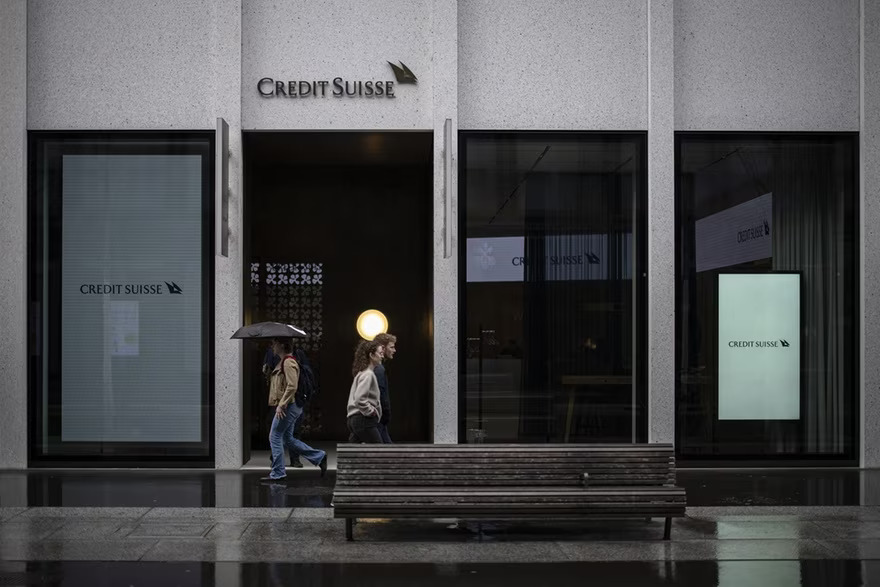
The year has got off to the worst possible start for the Swiss financial centre. Switzerland’s second-largest bank, Credit Suisse, had to be saved from collapse with an emergency takeover by rival UBS.
The first ever fusion of “too big to fail” banks is fraught with danger and will require deft handling to avoid more panic, which could spread to the global markets. Read More…