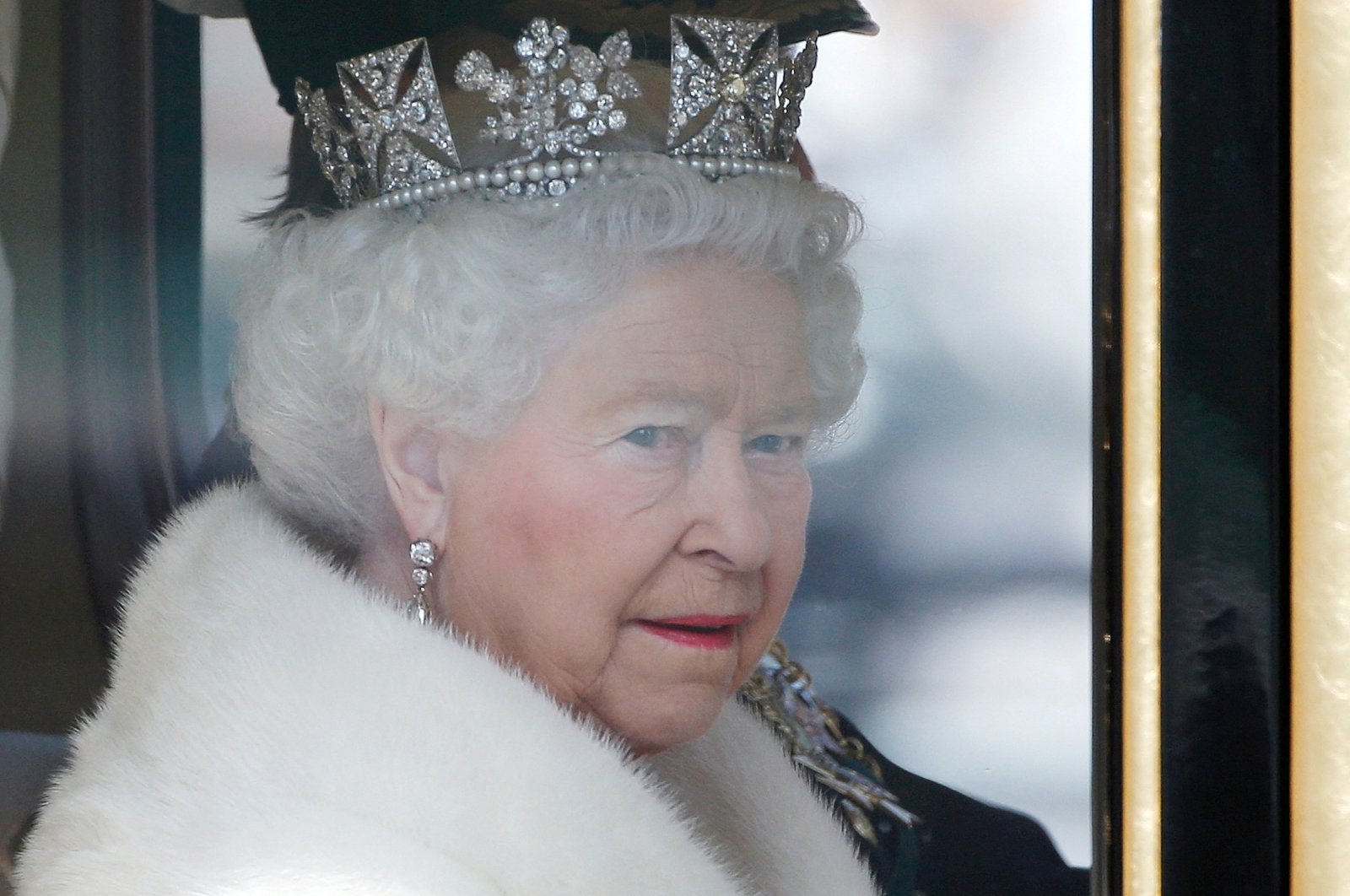
Queen Elizabeth II dies at age of 96, Buckingham Palace announces
-
 Loading...
 - Samuel Marwa
- 09 Sep 2022
- 67 Views
- 0 Like
- 0 Comment
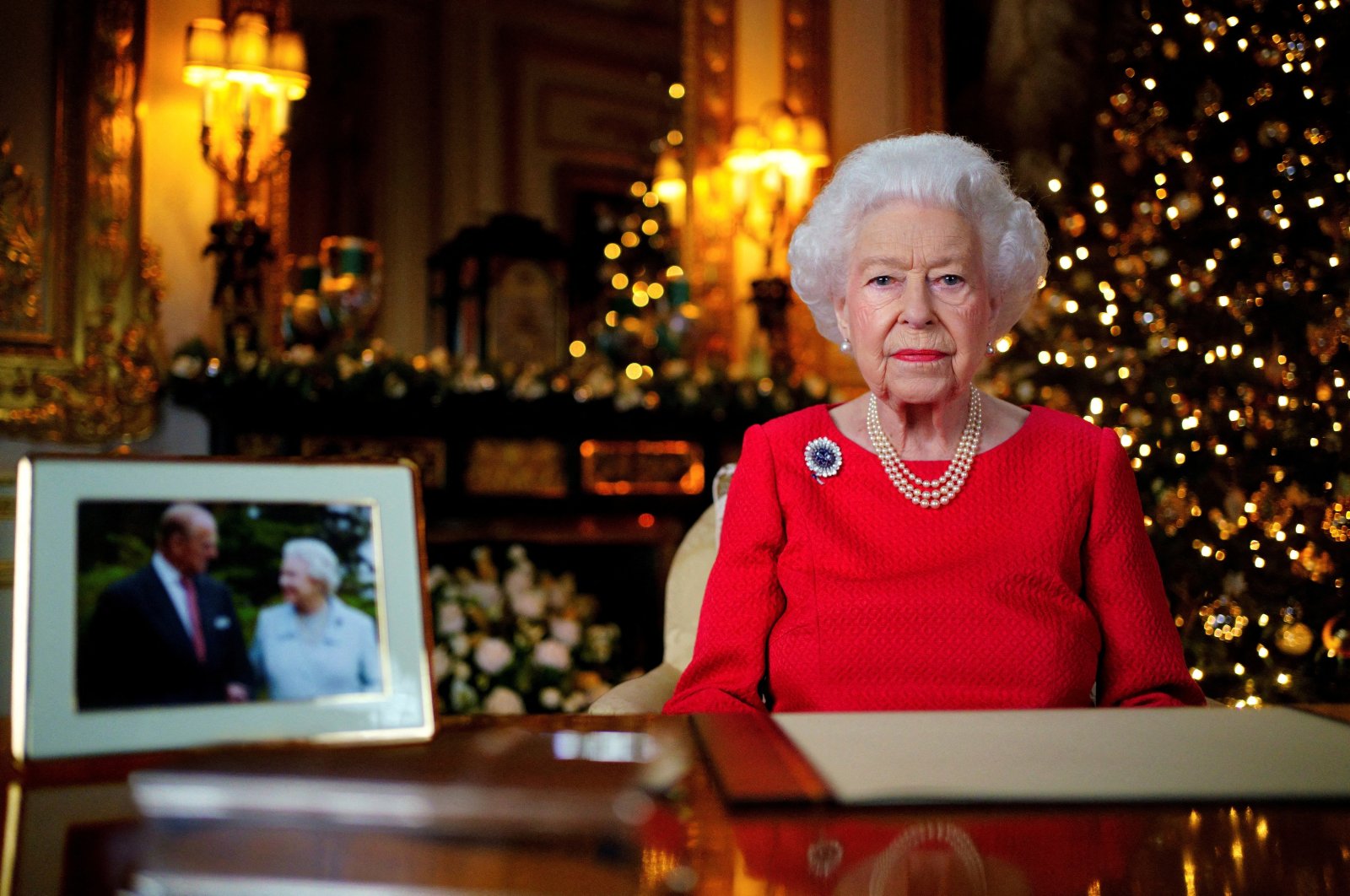
Queen Elizabeth II, Britain’s longest-reigning monarch and a symbol of stability across much of a turbulent century, died Thursday. She was 96.
Buckingham Palace said she died at Balmoral Castle, her summer residence in Scotland, where members of the royal family had rushed to be by her side. The BBC played the national anthem over a portrait of the queen in full regalia.
With the death of the queen, her 73-year-old son Charles automatically becomes monarch, even though the coronation might not take place for months. It is not known whether he will choose to call himself King Charles III or some other name.
The queen enjoyed robust health well into her 90s, although she was seen using a cane in one appearance after the death of Philip, her husband of 73 years, in April 2021. In October of that year, she was hospitalized for a night in London for tests, and thereafter her public appearances grew scarcer.
In 1947, almost five years before she ascended the throne, the 21-year-old Elizabeth promised the people of Britain and the Commonwealth that “my whole life, whether it be long or short, shall be devoted to your service.”
It was a promise she kept for more than seven decades.
The only monarch most Britons have ever known, Elizabeth reigned for 70 years over a country that rebuilt from war and lost its empire; joined the European Union and then left it; transformed from industrial powerhouse to an uncertain 21st-century society. She endured through 15 prime ministers, from Winston Churchill to Liz Truss, becoming an institution and an icon -- a fixed point and a reassuring presence even for those who ignored or loathed the monarchy. Read More…