Rage and Repression in Peru: Restoring Citizen Trust and Public Order
-
 Loading...
 - Dominguez Gladys
- 28 Mar 2023
- 66 Views
- 0 Like
- 0 Comment
Peruvian national governments have lurched from crisis to crisis in recent years. Corruption allegations repeatedly ignite political turmoil, pitting narrowly elected presidents against deeply divided legislatures. The last four presidents were all either impeached or forced to resign and the four before that completed their terms only to face criminal charges or investigations after leaving office.
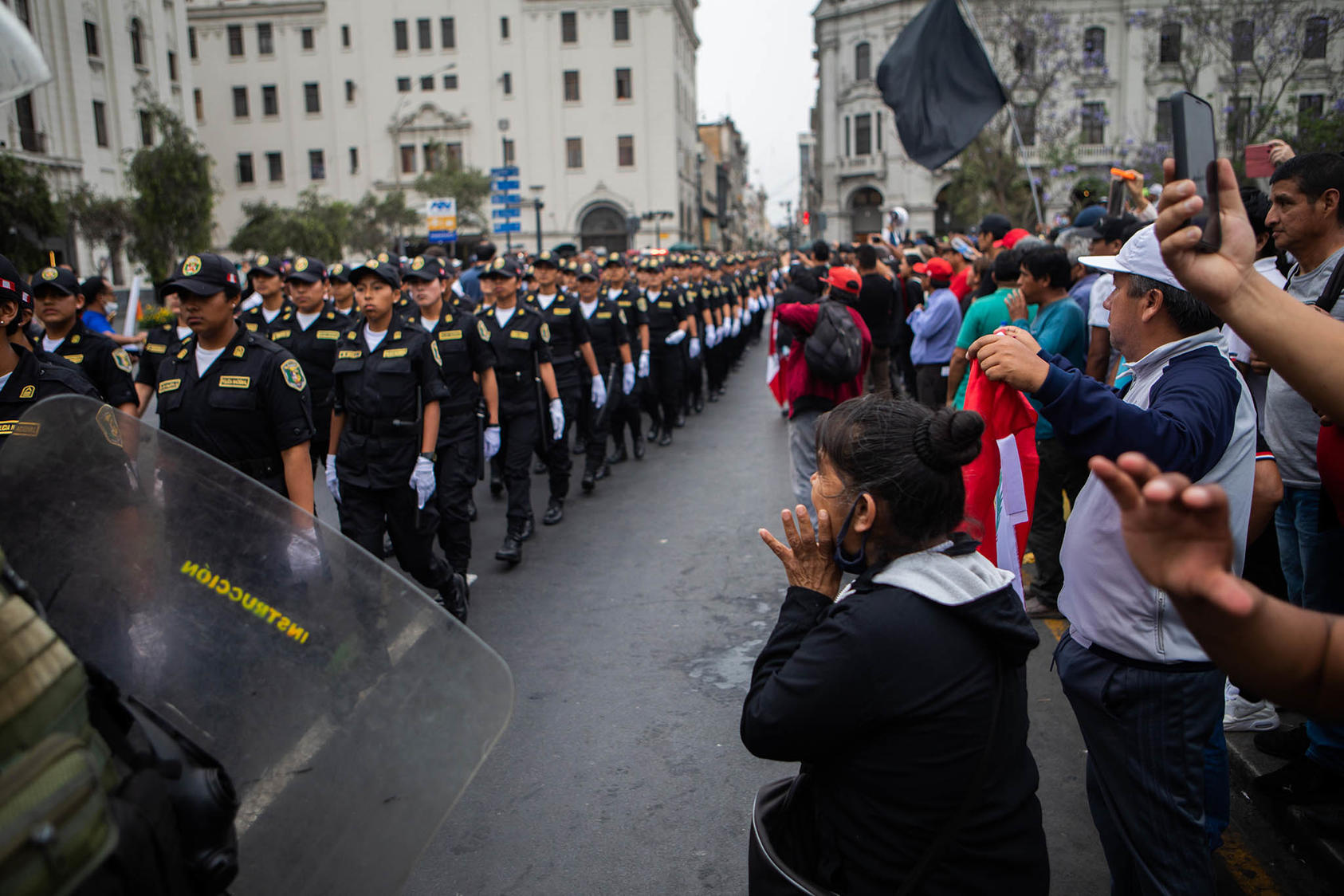
The broader population, however, seemed largely immune to the squabbles among Lima’s politicos. Not this time. This December, the impeachment and arrest of President Pedro Castillo (following his attempt to dissolve Congress and rule by decree) sparked widespread protests, especially in the country’s impoverished, largely indigenous south.
Over the past two months, protesters have blocked roads, shut down airports and set fire to police stations, derailing economic activity in crucial sectors, such as mining, agriculture and tourism. Authorities have responded with deadly repression, firing live rounds into some demonstrations. Fatalities linked to the unrest stood at 58 in early February, mostly from clashes with police, though at least seven are blamed on traffic accidents and ambulance delays caused by roadblocks.
President Dina Boluarte, the former vice president who took over after Castillo’s ouster, has offered to move elections forward by two years, though Congress rejected the proposal. But she has taken a hardline against the protesters, suggesting that the movement has been infiltrated by drug traffickers and terrorist groups who want to sow chaos. Read More…