Raining bombs on Mozambique will not solve the growing jihadism problem
-
 Loading...
 - Tracy Blay
- 28 Mar 2022
- 372 Views
- 0 Like
- 0 Comment
It was previously thought that military strikes on commanders will eliminate Mozambique´s jihadists, who now have links to ISIS as well as fingers in the lucrative heroin cargo landing from Pakistan and Iran.
This is no longer realistic. Insurgents in Mozambique have graduated to transnational narcotics smuggling with syndicates in Iran and Pakistan; kidnappings for ransom, and sharing specialist bomb-making skills with jihadists far up in Somalia.
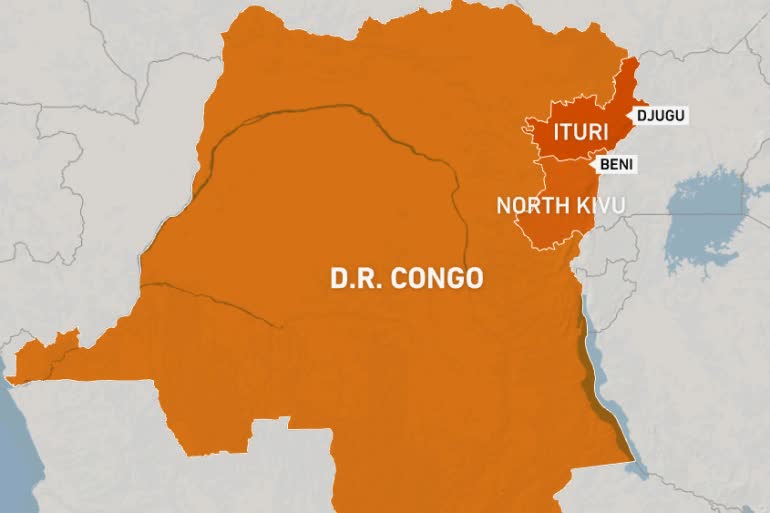
A jihadist insurgency in Cabo Delgado province, which is a northern province of Mozambique, got underway in 2017, at first as a localised war.
But, the insurgency has already taken 3,000 lives and displaced nearly two million civilians.
''The scotched-earthy tactics of the Mozambique national army and Russia´s Wagner mercenaries in trying to eliminate the jihadists, are emboldening local resentment.''
The Mozambique jihadists call themselves Ansar Al Sunna and have established links with the feared ISIS terror group now restricted to parts of Iraq and Syria, according to a report from the Global Initiative Against Transnational Organized Crime.
In February, multinational forces led by Rwanda´s army, which is reportedly funded by France, assassinated Mr. Tuahil Muhidim, the leader of the insurgency who had gained notoriety for beheadings.
His assassination was considered a breakthrough. Whilst this may be the case, hopes for peace are misguided for various reasons.
First, like ISIS and Al Qaeda, the insurgency in Mozambique is fast maturing into sophisticated trans-border, organised crime dealers attracting players from Afghanistan, Iran, Pakistan. Secondly, the local Muslim population where the insurgency is rife, are mired in deep poverty yet surrounded by lavish multi-billion-dollar gas rigs erected on their Indian Ocean coastline.
Finally, the scotched-earthy tactics of the Mozambique national army and Russia´s Wagner mercenaries in trying to eliminate the jihadists, are emboldening local resentment.
Globally, insurgencies begin as supposed ideological local fighters seeking justice for localised grievances. But as ISIS in Syria, Iraq; Abu Sayyaf in the Philippines, or Al-Shabab in Somalia proved, insurgencies quickly enmesh into lucrative organised crime pathways: kidnappings, narcotics, or money-laundering.
That is the point of inflection when a localised jihad insurgency goes global and forges alliances with players afar. Read More...