Rare Endangered Bald Ibis Female Spotted in Neretva Valley in Croatia
-
 Loading...
 - Tobias Collin
- 30 Mar 2023
- 65 Views
- 0 Like
- 0 Comment
The bald ibis became extinct in Europe and Croatia in the 18th century. In Croatia, the last individuals nested in Istria. The bird is a migrant that lives in semi-desert or rocky areas, often near watercourses.
After flying from Brač and staying briefly on Hvar, the female bald ibis (Gerinticus eremita) named Gipsy continued her journey, stopped in Slano, and then arrived in the Neretva valley, the Dubrovnik-Neretva County reported on Monday, writes 24Sata. The County Public Institution for the Management of Protected Areas of Nature received notification of this from the Biom association.
"The reappearance of the bald ibis in Croatia is possible thanks to the LIFE Northern Bald Ibis project, which is dedicated to reintroducing individuals from captivity in Germany and Austria. A feeding ground has been arranged for these birds in northern Italy, but before going there, they often decide to fly through Croatia as well," the County said.
They state that all individuals are equipped with GPS devices that track their flight, and this rare bird can be tracked through the Animal Tracker application, where photos and information about their sightings can be entered.
The bald ibis became extinct in Europe and Croatia in the 18th century. In Croatia, the last individuals nested in Istria. The bird is a migrant that lives in semi-desert or rocky areas, often near watercourses. The ancient Egyptians worshiped it, and today there are only about 200 individuals living in North Africa and the Middle East, the press release points out.
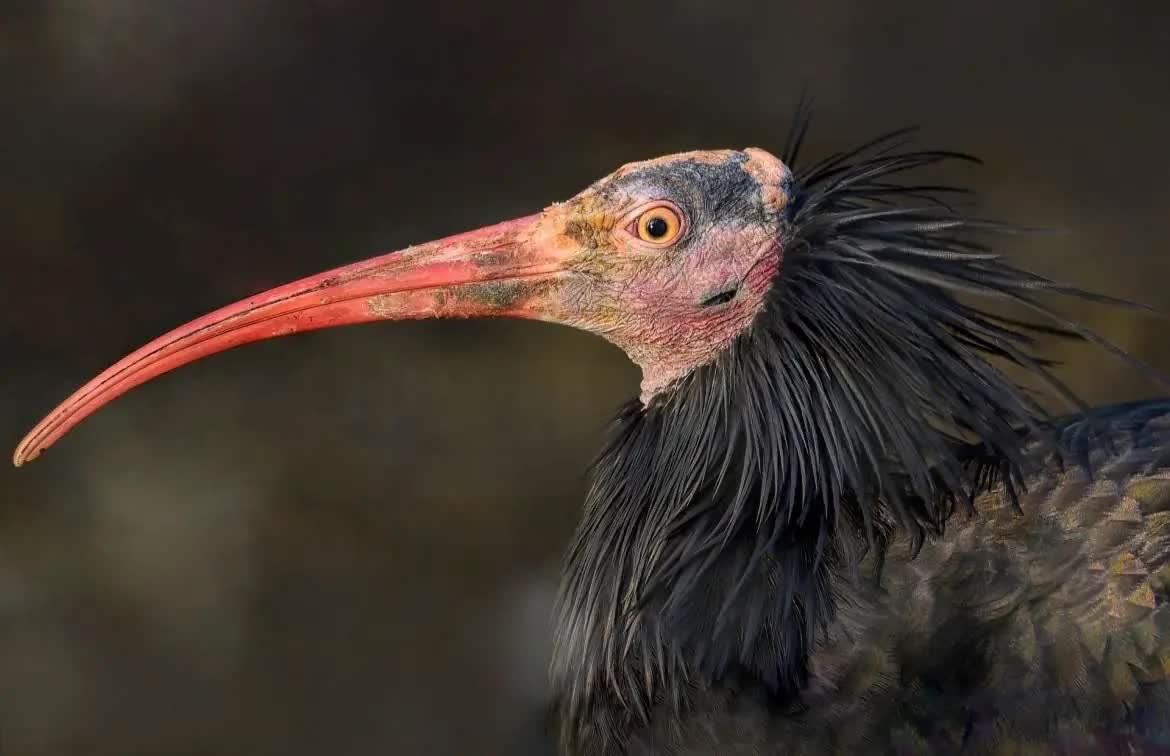
When hatched, the bald ibis have feathers on its head. But as they grow, their feathers fall off, and their heads remain bare, hence their name. The rest of their body is covered with black feathers with a copper-green and purple glow in the sun.
The bald ibis have red beaks and red skin all over their body, except for the top of their head. They have long feathers on the back of their necks. Under normal circumstances, they live between 25 and 30 years. They feed on insects, lizards, and even small mammals. Read More…