Real Estate Market in Bulgaria Freezes at Previous Year's Levels
-
 Loading...
 - Avril Moulin
- 01 Nov 2024
- 73 Views
- 0 Like
- 0 Comment
The Bulgarian real estate market has reached a standstill, maintaining the same levels observed in 2023. According to data from the National Association of Real Estate, as reported by BTA, the overall market activity has stagnated, with the exception of major cities where there has been a noticeable increase in transaction volumes. By the end of 2024, sales are projected to remain stable, with estimates suggesting between 215,000 and 216,000 transactions, mirroring the figures from the previous year.
Rental and Property Prices
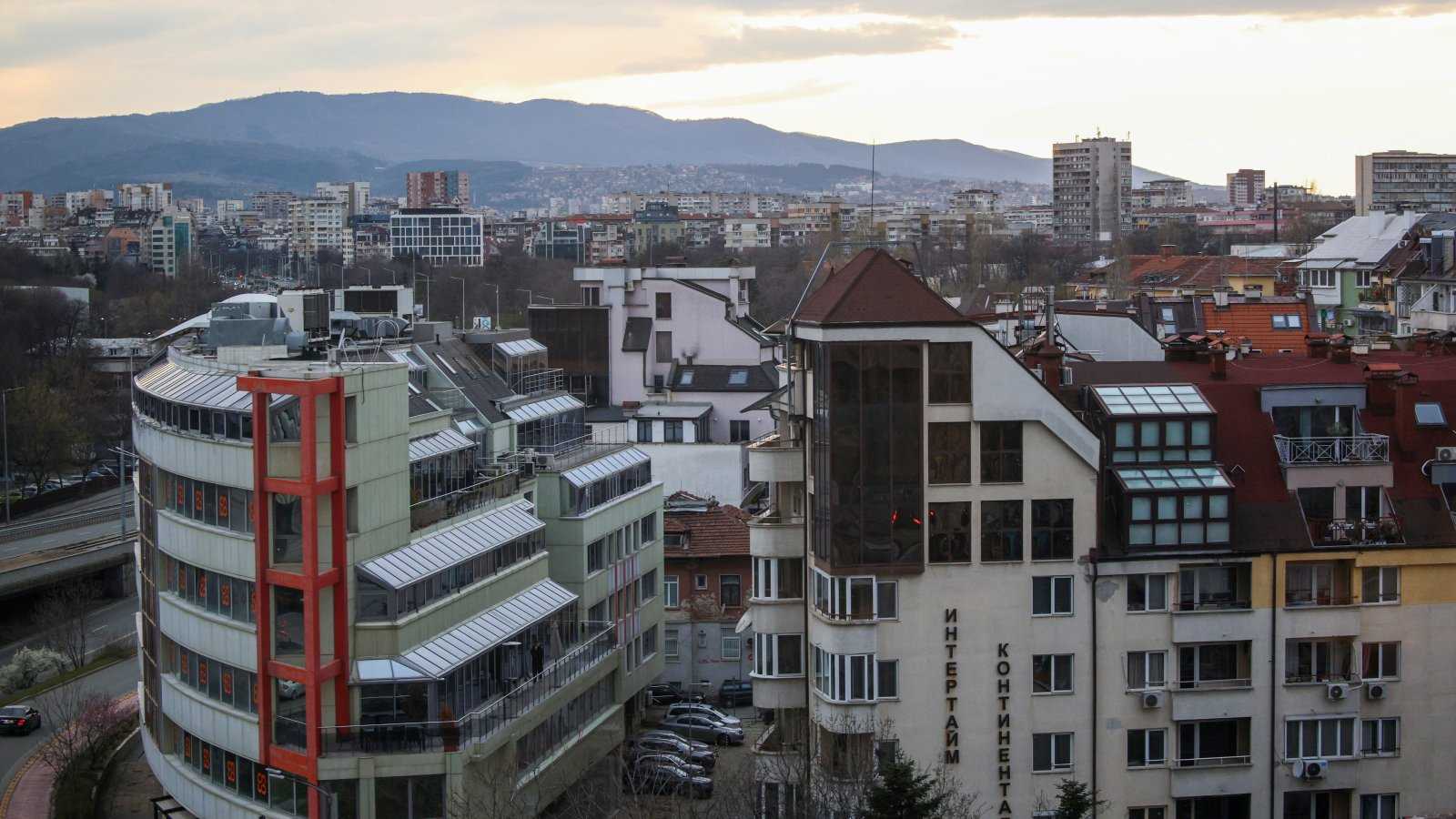
In Sofia, the capital city, rental rates for commercial spaces have surged, reaching as high as 56 euros per square meter per month. The residential property market is also witnessing significant price points, with some houses listed at up to 500,000 euros. This trend reflects the ongoing demand for real estate in urban areas, particularly in Sofia, where the population density and economic activity are concentrated.
Looking ahead to 2025, the National Association of Real Estate forecasts a continuation of the current growth trend in house prices, predicting an increase of approximately 10% year-on-year. This anticipated rise is largely attributed to the expected economic shifts following Bulgaria's potential accession to the eurozone. However, the market's stagnation is closely linked to the uncertainty surrounding this transition. If Bulgaria's entry into the eurozone is delayed, it is likely that property prices will stabilize rather than increase.
Shifts in Buyer Preferences
A notable trend in the Bulgarian real estate market is the growing preference for larger properties, particularly in Sofia. Families are increasingly seeking homes that accommodate their needs, while young professionals and students are gravitating towards smaller apartments located near higher education institutions and business parks. This shift indicates a diversification in buyer demographics, with investors also showing interest in smaller properties for rental purposes in these desirable neighborhoods.
The profile of homebuyers in Bulgaria is predominantly young, with many individuals aged between 35 and 40. This age group is typically creditworthy, possessing secure incomes that enable them to service long-term loans, often extending beyond 30 years. Additionally, many of these buyers have accumulated savings, allowing them to make significant down payments or even purchase properties outright with personal funds.
The Bulgarian real estate market is currently characterized by a freeze at 2023 levels, with stability in transaction volumes and a mixed outlook for future price growth. While major cities like Sofia continue to see activity, the overall market remains cautious amid uncertainties regarding the eurozone accession. As buyer preferences evolve and the demographic landscape shifts, the market may adapt, but for now, it appears to be in a holding pattern, awaiting clearer economic signals. Investors and potential homeowners will need to navigate this landscape carefully, balancing opportunities with the prevailing uncertainties.