Recycling rare earth elements from discarded electronics
-
 Loading...
 - Khalil Brahimi
- 01 Sep 2022
- 66 Views
- 0 Like
- 0 Comment
As the use of electronics grows and humanity’s reliance on technology burgeons, the need for rare earth elements that form an integral component of such devices also grows rapidly. As an example, the demand for one heavy rare earth element —  dysprosium  —  is expected to grow by 2600% over the next two decades.
While rare earth elements, also known as rare earth metals, are abundant in the Earth’s crust, extracting them is far from simple, requiring complex mining operations and processing to separate them from the minerals that contain them. These mining operations can release toxic chemicals into the environment, and the leaching ponds needed to extract rare earth elements can themselves “leach” into ground water.
An increased need for these materials is therefore accompanied by increased environmental risks.
Recycling rare earth elements
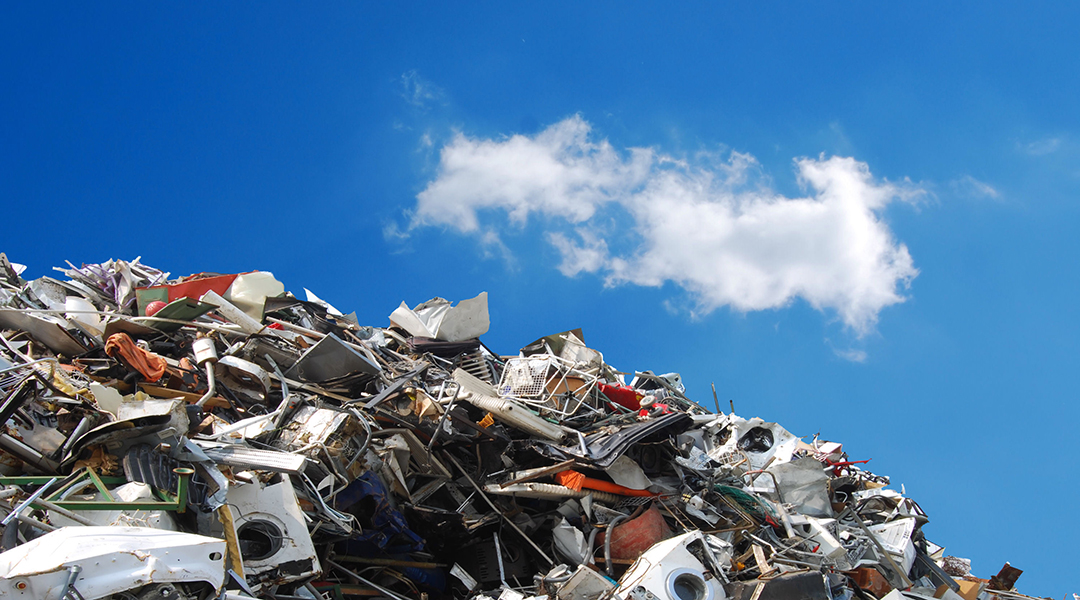
One possible avenue to alleviate this demand and the accompanying risk to the environment is ensuring that these materials can be efficiently extracted from scrap electronics. This means developing an extraction process that is economically viable and scalable, something that currently doesn’t exist, which meansvaluable resources linger on the literal scrap heap.
Research published in the journal Advanced Engineering Materials demonstrates the performance of an energy efficient extraction process to separate and recover high purity rare earth oxides — a useful subsection of rare earth elements bonded with oxygen molecules — from permanent magnets contained in discarded electronics, which were essential for the operation of the device during its lifetime. Read More...