Reduce Pollution To Combat ‘Superbugs’ And Other Anti-microbial Resistance
-
 Loading...
 - Caballero Karina
- 13 Feb 2023
- 63 Views
- 0 Like
- 0 Comment
Up to 10 million people could die annually by 2050 due to anti-microbial resistance (AMR), the UN Environment Programme (UNEP) said in a report launched in Bridgetown, Barbados, on Tuesday, highlighting the need to curtail pollution created by the pharmaceuticals, agricultural and healthcare sectors.
The study focuses on the environmental dimensions of AMR, which occurs when bacteria, viruses, fungi, and parasites change over time and no longer respond to medicines.
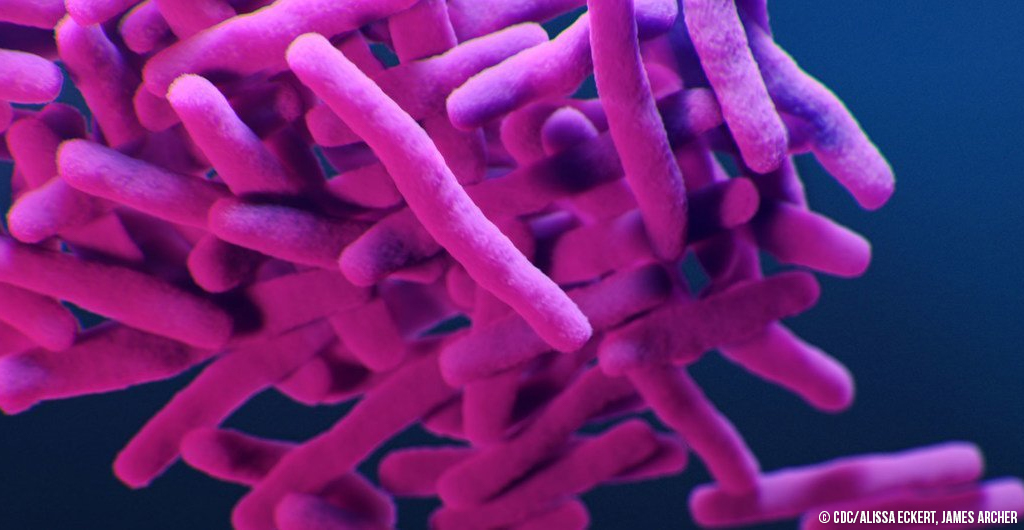
It calls for strengthening action to reduce the emergence, transmission and spread of “superbugs” - strains of bacteria that have become resistant to every known biotic – and other instances of AMR, which are already taking a serious toll on human, animal, and plant health.
Another example of inequality
“The environmental crisis of our time is also one of human rights and geopolitics – the antimicrobial resistance report published by UNEP today is yet another example of inequity, in that the AMR crisis is disproportionately affecting countries in the Global South,” said Prime Minister Mia Mottley of Barbados, who chairs a UN-backed initiative of world leaders and experts examining the issue.
AMR is among the top 10 global threats to health, according to the World Health Organization (WHO).
In 2019, an estimated 1.27 million deaths globally were directly attributed to drug-resistant infections. Overall, nearly five million deaths were associated with bacterial AMR.
It is expected that some 10 million additional direct deaths annually by 2050 will occur, which is equal to the number of deaths caused globally by cancer in 2020. Read More…