Rent, inflation push low-income Nigerians to suburbs
-
 Loading...
 - Mariam Ayinde
- 24 Mar 2023
- 67 Views
- 0 Like
- 0 Comment
A growing number of low-income tenants are leaving the city centres in Nigeria for the suburbs as house rent and inflation continue to surge, adding to the pain of rising cost of living in the country.
The migration is putting more pressure on the already inadequate infrastructure in these locations, many of which lack good road network, portable water, electricity, and good drainage systems.
In most cities, especially those of Lagos, Abuja and Port Harcourt, some locations that were affordable in terms of rent are no longer so as they have gone out of the reach of low-income renters, hence the move to the suburbs.
Property conversion, which changes the use of many properties from residential to commercial, and the high cost of building materials that are limiting the ability of developers to put more properties on the market have combined to reduce the supply of residential accommodation.
These factors, coupled with rising inflation, are putting pressure on landlords to increase their rents to enable them to pay bills, maintain their houses and respond to the rising cost of living generally.
Over the years, rents normally rise as a result of limited supply and high demand for both residential and commercial properties, while high inflation follows a poor economy, unfriendly economic policy and inadequate employment, which reduces productivity and erodes the earning power of many Nigerians.
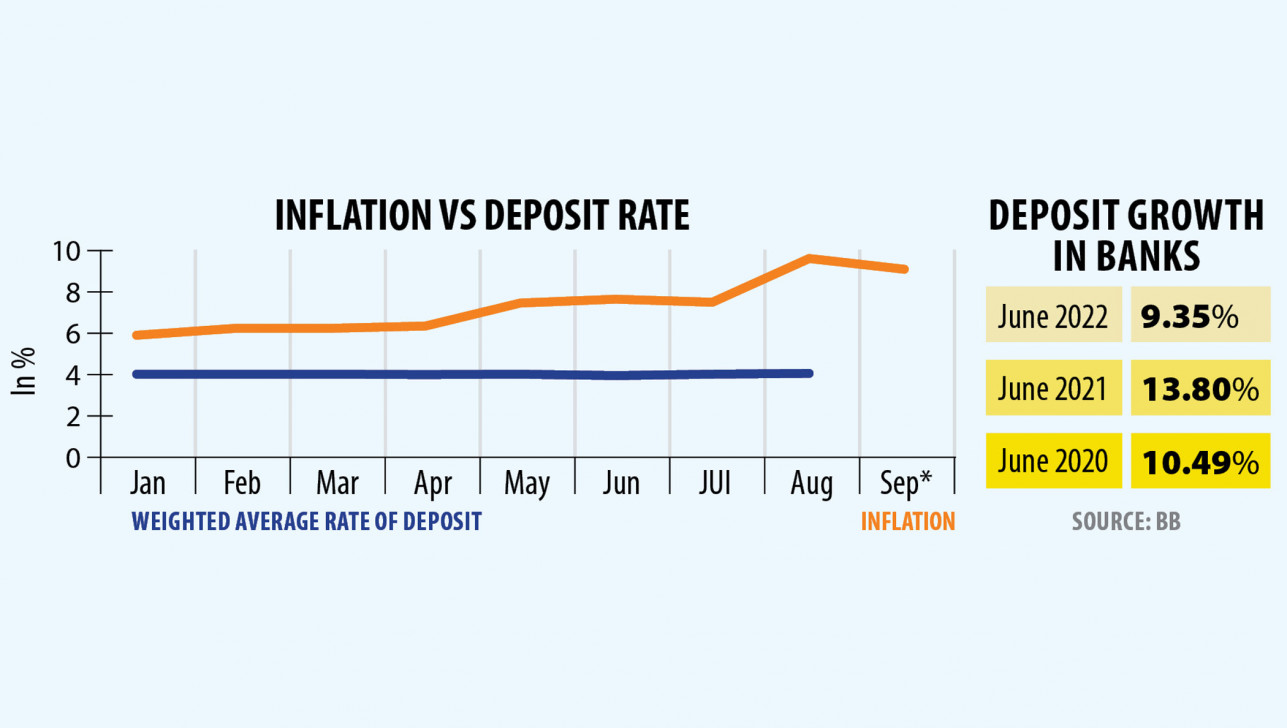
According to the latest figures released by the national bureau of statistics (NBS), the yearly inflation rate in Nigeria accelerated to 21.91 percent in February from 21.82 percent in January. Read More…