Home Upload Photo Upload Videos Write a Blog Analytics Messaging Streaming Create Adverts Creators Program
Bebuzee Afghanistan Bebuzee Albania Bebuzee Algeria Bebuzee Andorra Bebuzee Angola Bebuzee Antigua and Barbuda Bebuzee Argentina Bebuzee Armenia Bebuzee Australia Bebuzee Austria Bebuzee Azerbaijan Bebuzee Bahamas Bebuzee Bahrain Bebuzee Bangladesh Bebuzee Barbados Bebuzee Belarus Bebuzee Belgium Bebuzee Belize Bebuzee Benin Bebuzee Bhutan Bebuzee Bolivia Bebuzee Bosnia and Herzegovina Bebuzee Botswana Bebuzee Brazil Bebuzee Brunei Bebuzee Bulgaria Bebuzee Burkina Faso Bebuzee Burundi Bebuzee Cabo Verde Bebuzee Cambodia Bebuzee Cameroon Bebuzee Canada Bebuzee Central African Republic Bebuzee Chad Bebuzee Chile Bebuzee China Bebuzee Colombia Bebuzee Comoros Bebuzee Costa Rica Bebuzee Côte d'Ivoire Bebuzee Croatia Bebuzee Cuba Bebuzee Cyprus Bebuzee Czech Republic Bebuzee Democratic Republic of the Congo Bebuzee Denmark Bebuzee Djibouti Bebuzee Dominica Bebuzee Dominican Republic Bebuzee Ecuador Bebuzee Egypt Bebuzee El Salvador Bebuzee Equatorial Guinea Bebuzee Eritrea Bebuzee Estonia Bebuzee Eswatini Bebuzee Ethiopia Bebuzee Fiji Bebuzee Finland Bebuzee France Bebuzee Gabon Bebuzee Gambia Bebuzee Georgia Bebuzee Germany Bebuzee Ghana Bebuzee Greece Bebuzee Grenada Bebuzee Guatemala Bebuzee Guinea Bebuzee Guinea-Bissau Bebuzee Guyana Bebuzee Haiti Bebuzee Honduras Bebuzee Hong Kong Bebuzee Hungary Bebuzee Iceland Bebuzee India Bebuzee Indonesia Bebuzee Iran Bebuzee Iraq Bebuzee Ireland Bebuzee Israel Bebuzee Italy Bebuzee Jamaica Bebuzee Japan Bebuzee Jordan Bebuzee Kazakhstan Bebuzee Kenya Bebuzee Kiribati Bebuzee Kuwait Bebuzee Kyrgyzstan Bebuzee Laos Bebuzee Latvia Bebuzee Lebanon Bebuzee Lesotho Bebuzee Liberia Bebuzee Libya Bebuzee Liechtenstein Bebuzee Lithuania Bebuzee Luxembourg Bebuzee Madagascar Bebuzee Malawi Bebuzee Malaysia Bebuzee Maldives Bebuzee Mali Bebuzee Malta Bebuzee Marshall Islands Bebuzee Mauritania Bebuzee Mauritius Bebuzee Mexico Bebuzee Micronesia Bebuzee Moldova Bebuzee Monaco Bebuzee Mongolia Bebuzee Montenegro Bebuzee Morocco Bebuzee Mozambique Bebuzee Myanmar Bebuzee Namibia Bebuzee Nauru Bebuzee Nepal Bebuzee Netherlands Bebuzee New Zealand Bebuzee Nicaragua Bebuzee Niger Bebuzee Nigeria Bebuzee North Korea Bebuzee North Macedonia Bebuzee Norway Bebuzee Oman Bebuzee Pakistan Bebuzee Palau Bebuzee Panama Bebuzee Papua New Guinea Bebuzee Paraguay Bebuzee Peru Bebuzee Philippines Bebuzee Poland Bebuzee Portugal Bebuzee Qatar Bebuzee Republic of the Congo Bebuzee Romania Bebuzee Russia Bebuzee Rwanda Bebuzee Saint Kitts and Nevis Bebuzee Saint Lucia Bebuzee Saint Vincent and the Grenadines Bebuzee Samoa Bebuzee San Marino Bebuzee São Tomé and Príncipe Bebuzee Saudi Arabia Bebuzee Senegal Bebuzee Serbia Bebuzee Seychelles Bebuzee Sierra Leone Bebuzee Singapore Bebuzee Slovakia Bebuzee Slovenia Bebuzee Solomon Islands Bebuzee Somalia Bebuzee South Africa Bebuzee South Korea Bebuzee South Sudan Bebuzee Spain Bebuzee Sri Lanka Bebuzee Sudan Bebuzee Suriname Bebuzee Sweden Bebuzee Switzerland Bebuzee Syria Bebuzee Taiwan Bebuzee Tajikistan Bebuzee Tanzania Bebuzee Thailand Bebuzee Timor-Leste Bebuzee Togo Bebuzee Tonga Bebuzee Trinidad and Tobago Bebuzee Tunisia Bebuzee Turkey Bebuzee Turkmenistan Bebuzee Tuvalu Bebuzee Uganda Bebuzee Ukraine Bebuzee United Arab Emirates Bebuzee United Kingdom Bebuzee Uruguay Bebuzee Uzbekistan Bebuzee Vanuatu Bebuzee Venezuela Bebuzee Vietnam Bebuzee World Wide Bebuzee Yemen Bebuzee Zambia Bebuzee Zimbabwe
Blog Image

Reproductive Health Education Suggested for Teenagers in Portugal

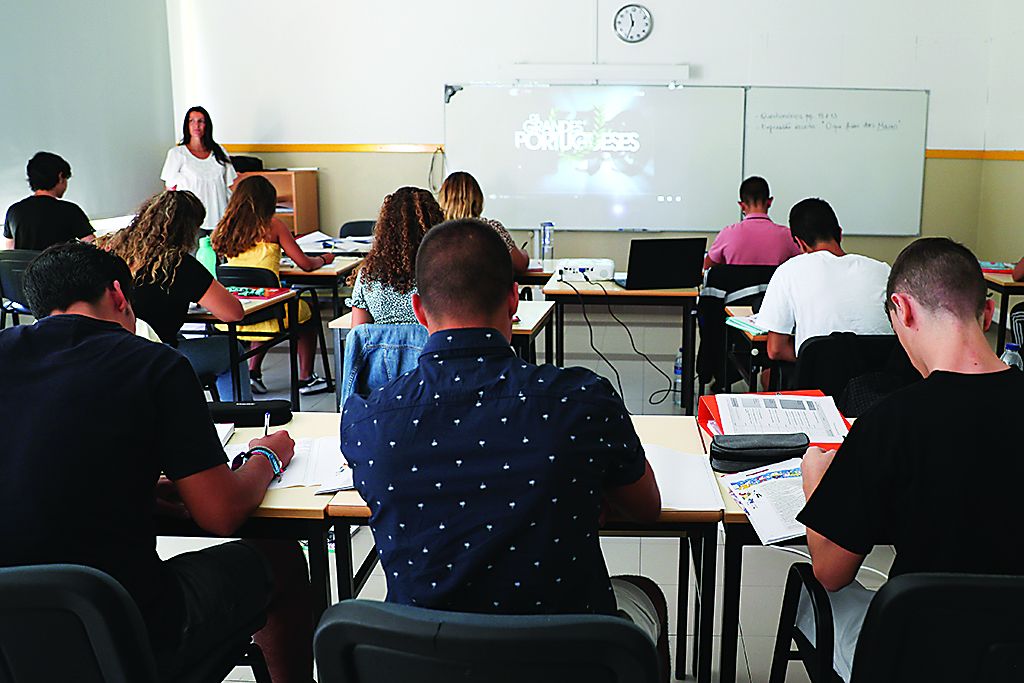
A recent European study has highlighted the need for reproductive health education to be included in secondary school curricula in Portugal. The findings reveal that young Portuguese individuals perceive their knowledge about reproductive health as limited, yet they express a strong interest in learning more about the subject.

Ana Galhardo, a researcher involved in the project, emphasized the importance of revising reproductive health content in schools. “It makes perfect sense to review reproductive health content and include it in secondary school curricula in Portugal,” she stated. The initiative, known as the Fertility Awareness Project, is a collaborative effort by Fertility Europe and national associations from Bulgaria, Norway, Poland, and Portugal, aimed at addressing infertility issues and the demographic decline in Europe.

The study's results, which will be presented to the European Parliament in March, provide valuable insights for public policies aimed at increasing reproductive health literacy. Galhardo argues that incorporating this topic into educational programs will not only serve as an educational measure but also empower young people to make informed decisions about their reproductive lives. This is particularly relevant in the context of growing concerns about demographic trends in Europe, especially in Portugal.

The research involved adolescents aged 15 to 18 and underscored the importance of understanding factors that influence fertility, such as age, lifestyle choices, and sexual and reproductive health. Despite acknowledging their limited initial knowledge, the teenagers demonstrated a keen interest in exploring the topic further.

The study also stresses the necessity of educating both sexes about fertility and the lifestyle factors that can impact it, including alcohol and tobacco use, drug consumption, physical activity, obesity, and sexually transmitted infections. Galhardo noted, “Including this topic in school curricula is not just an educational measure; it can also be a decisive tool for young people to manage their reproductive health with decision-making autonomy.”

Addressing Declining Birth Rates

Galhardo raised concerns about a record 5.5% decline in births in the European Union in 2023, the lowest level in the last decade according to Eurostat. She believes that educating young people about reproductive health and fertility is crucial for reversing this trend and ensuring sustainable demographic recovery in Europe.

The project has also led to the development of an educational game called FActs!, created by Fertility Europe with support from the European Society for Human Reproduction and Embryology. This game combines entertainment with active learning, helping young people engage with the topic of fertility in an interactive manner. Participants noted the effectiveness of digital approaches, such as educational games and online platforms, in making reproductive health education more appealing.

In Portugal, young people have praised FActs! as an “excellent learning initiative,” appreciating its competitive elements, graphic design, and the availability of a website with additional resources. Galhardo concluded that including reproductive health topics in formal education not only helps prevent issues like infertility but also reduces healthcare costs and supports families in achieving their reproductive goals.

Previous Post

15 Distance MBA Colleges in Delhi NCR for 2025

Next Post

Current Situation in Serbian Schools

Comments