Rosacea: Symptoms, Causes, and 5 Skincare Treatment Tips
-
 Loading...
 - Anna Dorko
- 07 Mar 2025
- 29 Views
- 0 Like
- 0 Comment
Rosacea is a common, chronic skin condition that primarily affects the face, leading to redness, visible blood vessels, and sometimes acne-like bumps. While the exact cause of rosacea is not fully understood, it can significantly impact a person's quality of life. Understanding its symptoms, potential causes, and effective skincare treatments can help manage this condition.
Symptoms of Rosacea
Rosacea can manifest in various ways, and symptoms may vary from person to person. Common symptoms include:
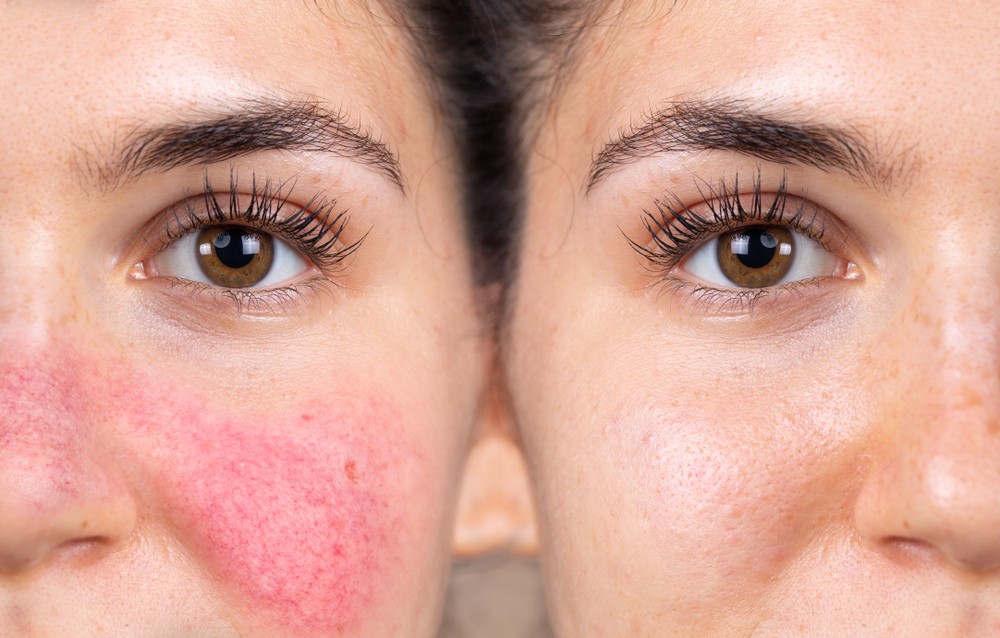
- Facial Redness: Persistent redness in the central part of the face, often resembling a blush or sunburn.
- Visible Blood Vessels: Small, dilated blood vessels (telangiectasia) may become visible on the skin.
- Bumps and Pimples: Red, inflamed bumps that resemble acne, often accompanied by a burning or stinging sensation.
- Thickened Skin: In some cases, particularly in men, the skin may thicken, especially on the nose (rhinophyma).
- Eye Irritation: Some individuals experience eye symptoms, such as dryness, irritation, or swollen eyelids (ocular rosacea).
Causes of Rosacea
The exact cause of rosacea remains unclear, but several factors may contribute to its development:
- Genetics: A family history of rosacea may increase the likelihood of developing the condition.
- Environmental Triggers: Certain environmental factors, such as sun exposure, extreme temperatures, and wind, can exacerbate symptoms.
- Lifestyle Factors: Alcohol consumption, spicy foods, hot beverages, and stress are known triggers for some individuals.
- Skin Sensitivity: People with fair skin or a tendency to blush easily may be more prone to rosacea.
- Microorganisms: The presence of certain bacteria, such as Demodex mites, may play a role in the development of rosacea.
5 Skincare Treatment Tips for Rosacea
Managing rosacea often involves a combination of lifestyle changes and skincare treatments. Here are five effective tips to help soothe and care for rosacea-prone skin:
i. Gentle Cleansing: Use a mild, non-irritating cleanser to wash your face. Avoid harsh scrubs or exfoliants that can aggravate the skin. Look for products labeled as "fragrance-free" and "hypoallergenic."
ii. Moisturize Regularly: Keeping the skin hydrated is essential for managing rosacea. Choose a gentle, non-comedogenic moisturizer that helps strengthen the skin barrier. Look for ingredients like ceramides, hyaluronic acid, and glycerin.
iii. Sun Protection: Sun exposure can trigger rosacea flare-ups, so wearing broad-spectrum sunscreen with an SPF of 30 or higher is crucial. Opt for physical (mineral) sunscreens containing zinc oxide or titanium dioxide, as they are less likely to irritate sensitive skin.
iv. Avoid Triggers: Identify and avoid personal triggers that worsen your rosacea symptoms. This may include certain foods, beverages, or environmental factors. Keeping a diary can help you track what exacerbates your condition.
v. Consult a Dermatologist: If over-the-counter treatments are not effective, consider consulting a dermatologist. They may recommend prescription medications, such as topical treatments (e.g., metronidazole or azelaic acid) or oral antibiotics, to help manage inflammation and redness.
Rosacea is a manageable condition, and understanding its symptoms and causes is the first step toward effective treatment. By adopting a gentle skincare routine, protecting your skin from the sun, and avoiding known triggers, you can help reduce flare-ups and maintain healthier skin. If symptoms persist or worsen, seeking professional advice from a dermatologist can provide additional support and treatment options tailored to your needs.