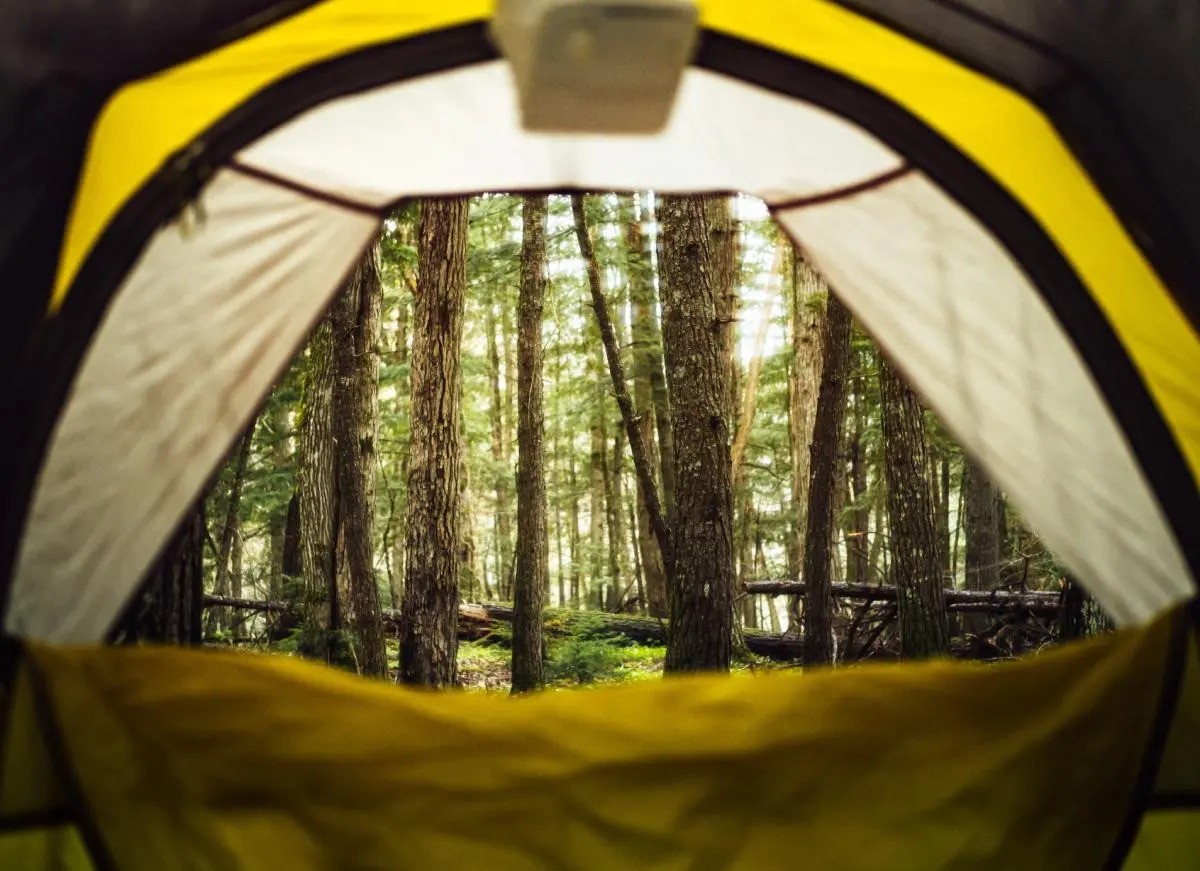
Rules on Wild Camping in Denmark
-
 Loading...
 - Chiara Costa
- 09 Jul 2024
- 67 Views
- 0 Like
- 0 Comment
Denmark offers beautiful landscapes and outdoor experiences, making it a great destination for camping enthusiasts. However, wild camping in Denmark is regulated to ensure the preservation of nature and respect for private property. This article provides a comprehensive guide to the rules and best practices for wild camping in Denmark.
Legal Aspects of Wild Camping
National Regulations
Wild camping, or camping outside designated campsites, is generally not permitted across Denmark. However, there are specific areas and conditions under which wild camping is allowed, often in national parks and public forests.
Designated Areas for Wild Camping
The Danish Nature Agency has designated over 1,000 places in public forests where you can camp for free. These areas often come with specific rules regarding the duration of stay and the number of tents allowed.
Permissions and Restrictions
For areas not specifically designated for wild camping, it’s important to seek permission from the landowner. Camping on private land without permission is illegal and can result in fines.
National Parks and Public Forests
Free Tent Campsites
In certain national parks and public forests, there are free tent campsites where you can camp legally. These sites typically allow for up to two nights of stay and limit the number of tents to three per site.
Shelters and Facilities
Many designated camping areas in public forests offer shelters, fire pits, and basic facilities. It’s advisable to check for available amenities before planning your trip.
Booking Requirements
Some shelters and campsites may require booking in advance, especially during peak seasons. Check the Danish Nature Agency's website for information on booking and availability.
Private Land and Beaches
Camping on Private Land
Wild camping on private land is only allowed with the landowner’s permission. It’s important to respect private property and seek consent before setting up camp.
Rules for Beach Camping
Camping on beaches is generally not allowed, with some exceptions in remote areas. Always check local regulations and obtain necessary permissions if you plan to camp near the coast.
Obtaining Permission from Landowners
If you wish to camp on private land, approach the landowner politely and request permission. Respect their decision and any specific conditions they might impose.
Leave No Trace Principles
i. Minimizing Environmental Impact
Adhering to Leave No Trace principles is crucial when wild camping. This includes camping on durable surfaces, minimizing campfire impact, and respecting wildlife.
ii. Proper Waste Disposal
Pack out all trash and waste, including biodegradable items. Use designated toilet facilities or pack out human waste in a responsible manner.
iii. Respecting Wildlife and Flora
Avoid disturbing wildlife and damaging plants. Observe animals from a distance and do not feed them. Stick to established trails to protect fragile ecosystems.
Safety Tips for Wild Camping
Preparing for the Trip
Plan your trip thoroughly, including route, weather forecast, and camping regulations. Bring appropriate gear and enough supplies for your stay.
Weather Considerations
Denmark's weather can be unpredictable. Be prepared for rain and cold temperatures, even in summer. Check weather updates regularly and be ready to adjust your plans.
Emergency Contacts and Procedures
Familiarize yourself with the local emergency numbers and procedures. Carry a first aid kit and know basic first aid measures. Inform someone about your camping plans and expected return time.
Wild camping in Denmark can be a rewarding experience if done responsibly and in accordance with regulations. By respecting nature, following legal guidelines, and practicing Leave No Trace principles, you can enjoy Denmark's natural beauty while preserving it for future generations.
FAQs
Is wild camping allowed in Denmark?
Wild camping is generally not allowed in Denmark except in designated areas within national parks and public forests. Permission is required for camping on private land.
Where can I legally wild camp in Denmark?
You can legally wild camp in over 1,000 designated areas in public forests. Some national parks also have specific sites for free tent camping.
Do I need to book in advance?
Some campsites and shelters may require advance booking, especially during peak seasons. Check with the Danish Nature Agency for details.
What should I pack for wild camping?
Pack lightweight, durable camping gear, enough food and water, weather-appropriate clothing, a first aid kit, and a map or GPS device.
How can I minimize my impact on nature?
Follow Leave No Trace principles: camp on durable surfaces, dispose of waste properly, minimize campfire impact, respect wildlife, and leave what you find.
Are there any safety concerns?
Be prepared for changing weather conditions, carry a first aid kit, and know emergency procedures. Inform someone of your plans and check for local regulations and advisories.