Russia Dismisses US-Proposed Ukraine Ceasefire as “Respite” for Kyiv
-
 Loading...
 - Hanha Farkas
- 14 Mar 2025
- 35 Views
- 0 Like
- 0 Comment
Russian President Vladimir Putin’s top foreign policy aide, Yuri Ushakov, has dismissed the 30-day ceasefire in Ukraine proposed by the United States, characterizing it as merely a “temporary respite” for Ukrainian forces. Ushakov, who has previously served as Russia's ambassador to Washington, conveyed this position during an appearance on state television, emphasizing that the ceasefire would not lead to any substantial change in the conflict's dynamics.
Ushakov stated, “I outlined our position to U.S. national security adviser Mike Waltz, indicating that this is nothing other than a temporary respite for the Ukrainian military, nothing more.” His comments come amid ongoing discussions between U.S. officials and the Kremlin, as the conflict in Ukraine enters its fourth year.
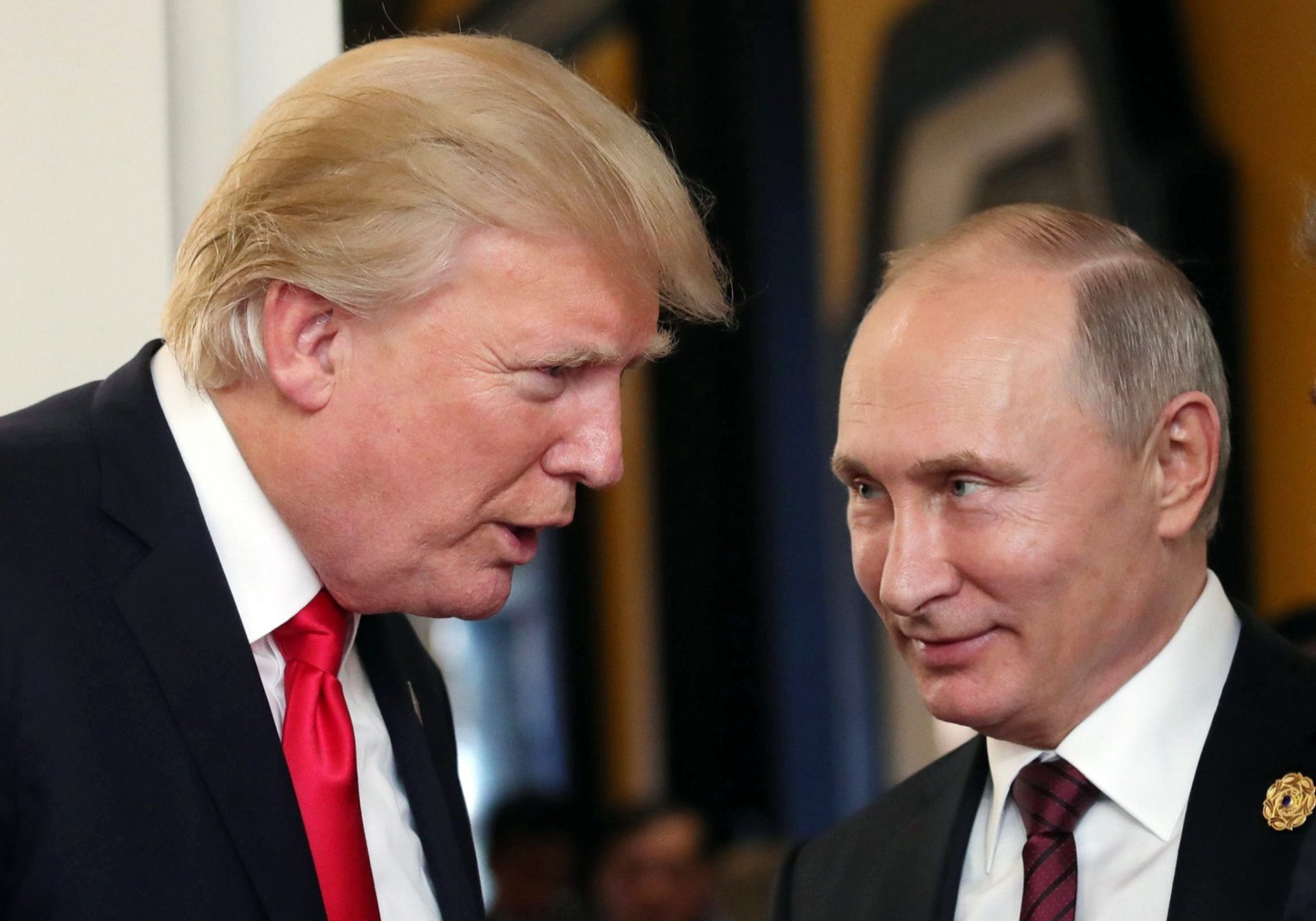
The backdrop to these discussions includes U.S. President Donald Trump’s recent remarks expressing hope that Russia would consider the ceasefire proposal. Trump’s Middle East special envoy, Steve Witkoff, arrived in Moscow for talks with Putin, further highlighting the U.S. administration's efforts to mediate a resolution to the ongoing conflict.
Ushakov elaborated on Russia's stance, stating, “Our goal is a long-term peaceful settlement that takes into account the legitimate interests of our country and our well-known concerns.” He expressed skepticism about any actions that might merely simulate peace without addressing the underlying issues.
When pressed on whether Russia was outright rejecting the ceasefire proposal, Ushakov indicated that Putin would likely address the media later to provide a more detailed explanation of Russia’s position. His remarks suggest that Russia feels confident in its recent battlefield advances, which may bolster its negotiating power in any potential peace talks.
In the context of these developments, Trump has threatened to impose tougher sanctions on Russia if it fails to engage in negotiations, while also offering the possibility of sanctions relief should Moscow agree to the ceasefire. “I can do things financially that would be very bad for Russia,” Trump stated, emphasizing his desire for peace but also hinting at the financial consequences of non-compliance.
Meanwhile, reports indicate that Russia’s industry and trade ministry is soliciting input from companies regarding which sanctions should be prioritized for lifting, reflecting the Kremlin's view that all sanctions are illegal and should be removed.
Despite the skepticism expressed by Russian officials, it was noted that Ukraine has indicated its support for the proposed 30-day ceasefire. However, concerns persist that Russia’s recent territorial gains and Trump’s attempts to broker a peace deal could pressure Ukraine into accepting unfavorable terms to end the conflict.
As the situation continues to evolve, the international community remains watchful of the developments in Ukraine and the potential implications for regional stability and security.