Russia must not win the war, German Chancellor Olaf Scholz tells Bundestag
-
 Loading...
 - Aria Scavo
- 06 Apr 2022
- 341 Views
- 0 Like
- 0 Comment
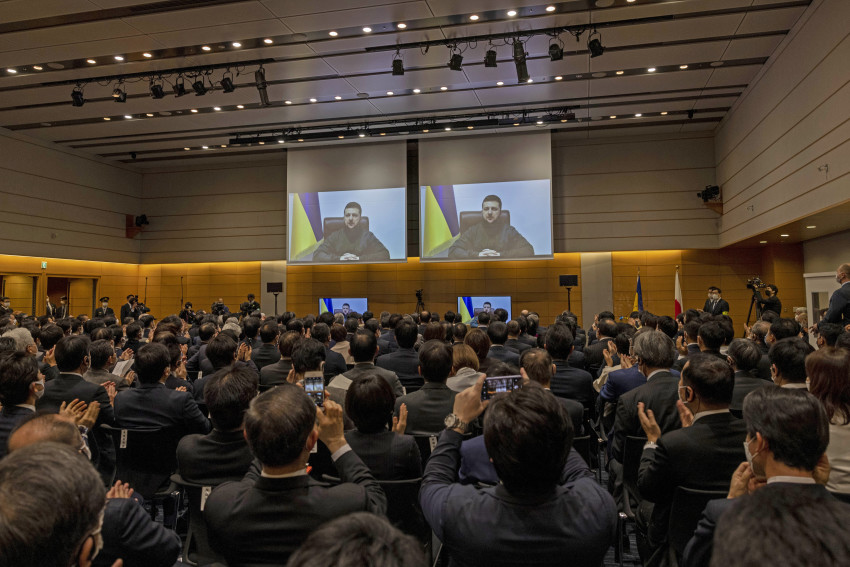
German Chancellor Olaf Scholz is answering questions posed by lawmakers in the German Bundestag on Wednesday.
The parliamentary question session has been an institutionalized ritual since 2019 and usually takes place three times a year — before Christmas, before Easter and before the summer break. Normally questions are directed at Cabinet ministers.
Wednesday's session is the second time Scholz takes part in the event as chancellor. He kicked off the session with a statement, after which lawmakers are able to ask him questions on various topics.
What did Olaf Scholz say?
During his opening speech, Scholz spoke of war crimes committed by Russian forces in Ukraine, saying the "perpetrators and those who commissioned them have to be held accountable." He once again called on Russian President Vladimir Putin to end the war.
"It has to remain our goal that Russia does not win this war," he told the Bundestag, saying that this was the reason behind sanctions against Russia, sending arms to Ukraine and taking in Ukrainian refugees.
Regarding weapons shipments to Ukraine, Scholz told lawmakers: "Everything that makes sense and can quickly take effect, will be delivered."
He repeated Germany's intention to reduce its dependency on Russian fossil fuels, pledging to fast-track terminals for liquefied natural gas in Germany. He also highlighted the need to reduce dependency on fossil fuels in general.
"Now more than ever, we will become independent from the use of fossil fuels," Scholz said.
Questions from lawmakers
Questions revolved around Germany's response to the war in Ukraine, the government's handling of the coronavirus pandemic and the rising costs of living.
All parties in the parliament may ask questions, including Scholz's own Social Democrats (SPD), his coalition partners from the pro-business Free Democrats (FDP) and the Greens, as well as the opposition parties of the center-right bloc led by the Christian Democratic Union (CDU), the Left Party and the far-right Alternative for Germany (AfD).
"We have decided to deliver arms," Scholz said, comparing this government to previous ones that had refused to do so. His own government had also refused the delivery of weapons to Ukraine until after Russia invaded. Read More...