Russia's central bank proposes ban on crypto mining and trading
-
 Loading...
 - Piers Howard
- 21 Jan 2022
- 422 Views
- 0 Like
- 0 Comment
Russia’s central bank proposed a blanket ban on the use and creation of all cryptocurrencies within one of the world’s biggest crypto-mining nations, citing the dangers posed to the country’s financial system and environment.
Crypto bears the hallmarks of a pyramid scheme and undermines the sovereignty of monetary policy, the central bank said in a report Thursday. It also took aim at mining, which it said hurts the country’s green agenda, jeopardizes Russia’s energy supply and amplifies the negative effects of the spread of cryptocurrencies, creating incentives for circumventing attempts at regulation.
“Potential financial stability risks associated with cryptocurrencies are much higher for emerging markets, including in Russia,” the central bank said.
Russia already bans the use of crypto to make payments and the central bank in December prohibited mutual funds from investing in it. Thursday’s report called for individuals and businesses that flaunt the rules to be held to account, citing estimates that put Russian’s crypto trading turnover at about $5 billion a year.
Proposals would not apply to assets held abroad by Russians, Elizaveta Danilova, the central bank’s financial stability department head, said at an online briefing Thursday, adding that people with offshore exchange accounts will be able to trade crypto. While any ban would first need to be passed into law before taking effect, speaker of the lower house of parliament Vyacheslav Volodin said this week that creating a regulatory framework will be a priority in the State Duma’s spring session.
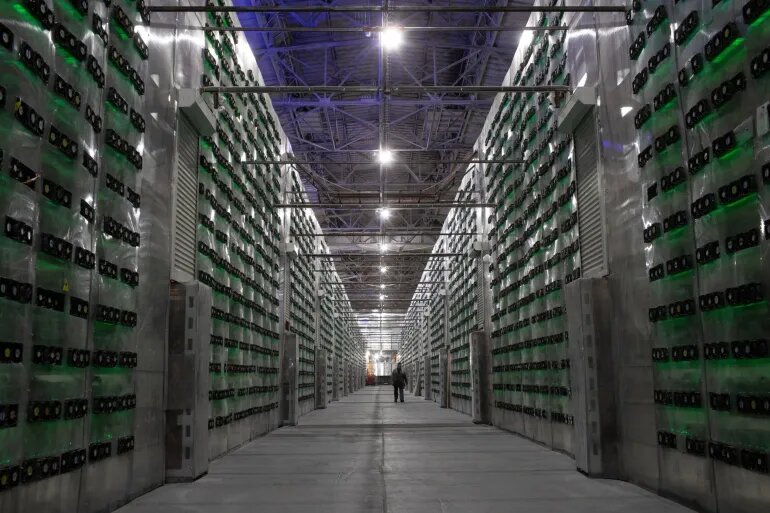
Russia is home to a thriving mining industry, which has become an increasingly important center after China labeled crypto-related transactions illicit financial activity and vowed to root out mining of digital assets. Crypto mining is energy-intensive, requiring a large degree of computing power.
Russia became the world’s third biggest crypto miner last year, after the U.S. and Kazakhstan, according to Cambridge University data released in October. The largest facilities are located in the country’s north and in Siberia, where the temperatures are low and there is access to cheap power. BitRiver, Minespot and BitCluster are among the biggest companies that provide services in the industry.
“We hope that this proposal will be discussed with the industry,” co-founder of BitCluster Vitaliy Borschenko said by phone. “The central bank’s main concern is that cryptocurrency won’t be traded in Russia and crypto mining poses no risks in this regard.”
The central bank’s position on mining could face some resistance among lawmakers. Russia should regulate and tax mining, but it shouldn’t be banned given the country’s competitive advantages, Vladimir Gutenev, the head of the Duma’s industry committee and a member of the ruling United Russia party, told Interfax news agency. Meanwhile, neighbor Kazakhstan — which also saw an influx of crypto mining after China’s ban, has been roiled by political unrest and an energy squeeze — making it an unlikely spot for Russian miners who might seek a new home. Read More…