Russia’s Education System is Capable of Resistance when they want to be
-
 Loading...
 - Hannelore Gilbert
- 13 Feb 2025
- 50 Views
- 0 Like
- 0 Comment
In discussions surrounding the militarization of education in Russia, many believe that teachers and professors remain silent due to the fear of state repression. However, evidence suggests that the risk of facing severe consequences for protesting the war within the education system is not as high as commonly perceived. In fact, the past three years indicate that organized resistance is possible, albeit under specific conditions.
For instance, an anti-war petition signed by thousands of Russian scientists has circulated publicly for nearly three years, with only a minuscule fraction facing repercussions. A recent report on academic freedoms in Russia identified around 200 cases of punishment against academics over three years, encompassing politically motivated dismissals and expulsions, but not criminal cases. This suggests that the likelihood of repression for academics is significantly lower than many assume, especially when compared to the independent media, which has faced severe crackdowns.
The narrative that academics are enduring repression akin to Stalin's era serves certain interests, such as securing European grants or avoiding scrutiny from colleagues questioning foreign funding. However, the reality is that the education system has largely aligned itself with the regime by choice. The absence of visible organized resistance has allowed repression to flourish, not because the regime is particularly brutal, but because dissent is often expressed in isolation.
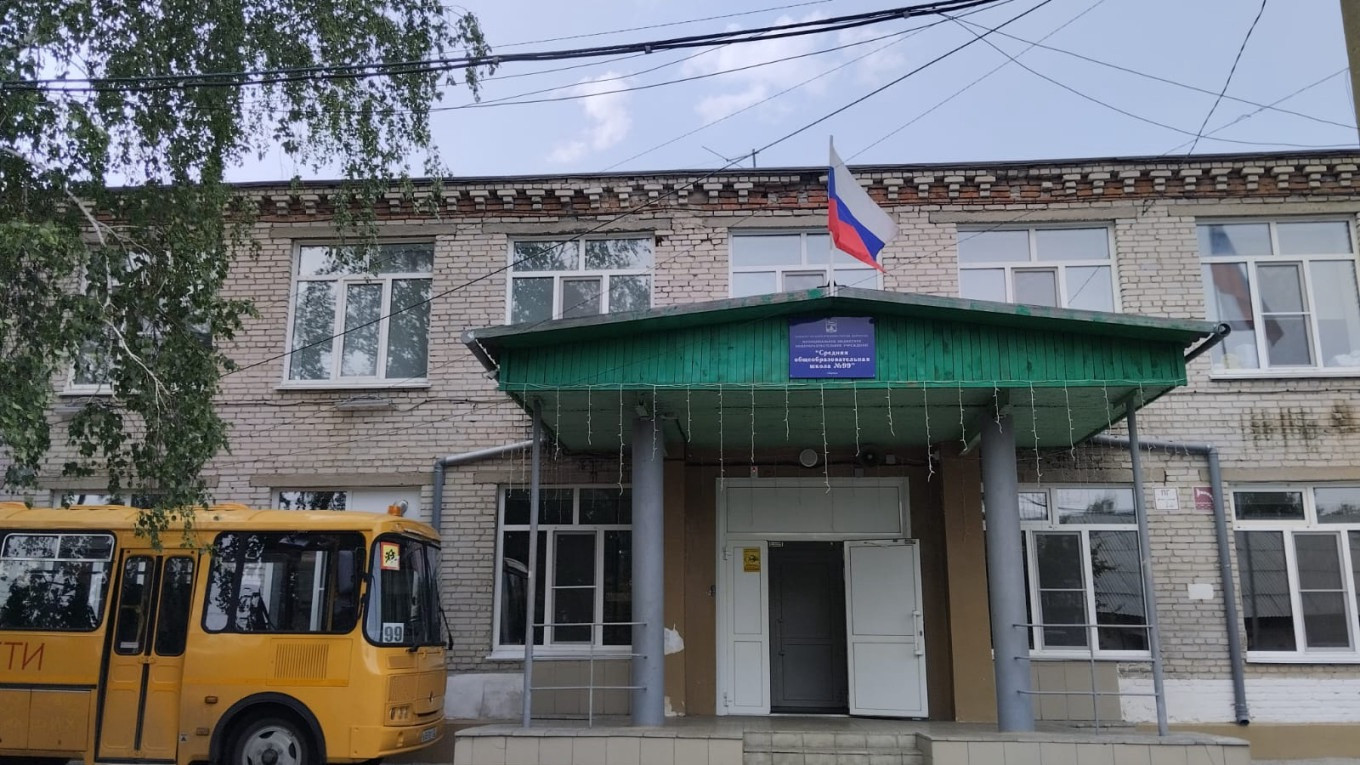
A notable example of potential resistance occurred in Lesnoy, a micro-district of Barnaul, where two-thirds of the teachers at School No. 99 submitted collective resignation letters in protest of their principal's dismissal. This incident highlights a significant shift, as teachers united against state policies, demonstrating that organized action is possible when individuals come together.
The conflict involved a veteran, Alexander Sergeyev, who complained about the principal, Vladimir Babak, demanding longer working hours. While the liberal media framed this as a clash between a humanist principal and a militant veteran, the community's support for Babak revealed a deeper complexity. Parents defended him as a patriot committed to instilling moral values and supporting military efforts.
The collective action taken by the teachers—15 out of 24 resigning in protest—illustrates that they can organize against state policies when motivated. Their refusal to return to work and their threats to escalate the matter to higher authorities indicate a willingness to resist. Notably, when officials visited the school, they made concessions to the teachers, recognizing the challenges of replacing them mid-year.
This case may not receive attention in reports on academic freedoms or discussions at Western conferences, but it contradicts the notion that Russian educators are powerless against the state. When they choose to act collectively, they can assert their rights and influence outcomes.
The reluctance to protest against militaristic initiatives, such as "Conversations about important things," suggests that teachers are selective about their battles. They may prioritize issues that resonate more deeply with their values and the well-being of their students.
In conclusion, the Russian education system possesses the capacity for resistance when educators choose to unite and act collectively. While the environment may be challenging, the potential for organized dissent exists, and the actions of teachers in Lesnoy serve as a testament to this possibility. The responsibility for repression should not solely rest on the state but also on the educational community's willingness to engage in collective action.