Russia's Tax Authority to Play Key Role as Primary Cryptocurrency Regulator
-
 Loading...
 - King Thomas
- 19 May 2023
- 62 Views
- 0 Like
- 0 Comment
In the midst of ongoing debates surrounding the regulation of Russia's cryptocurrency industry, an important revelation has emerged: the country's tax administration will be entrusted with the responsibility of overseeing this sector.
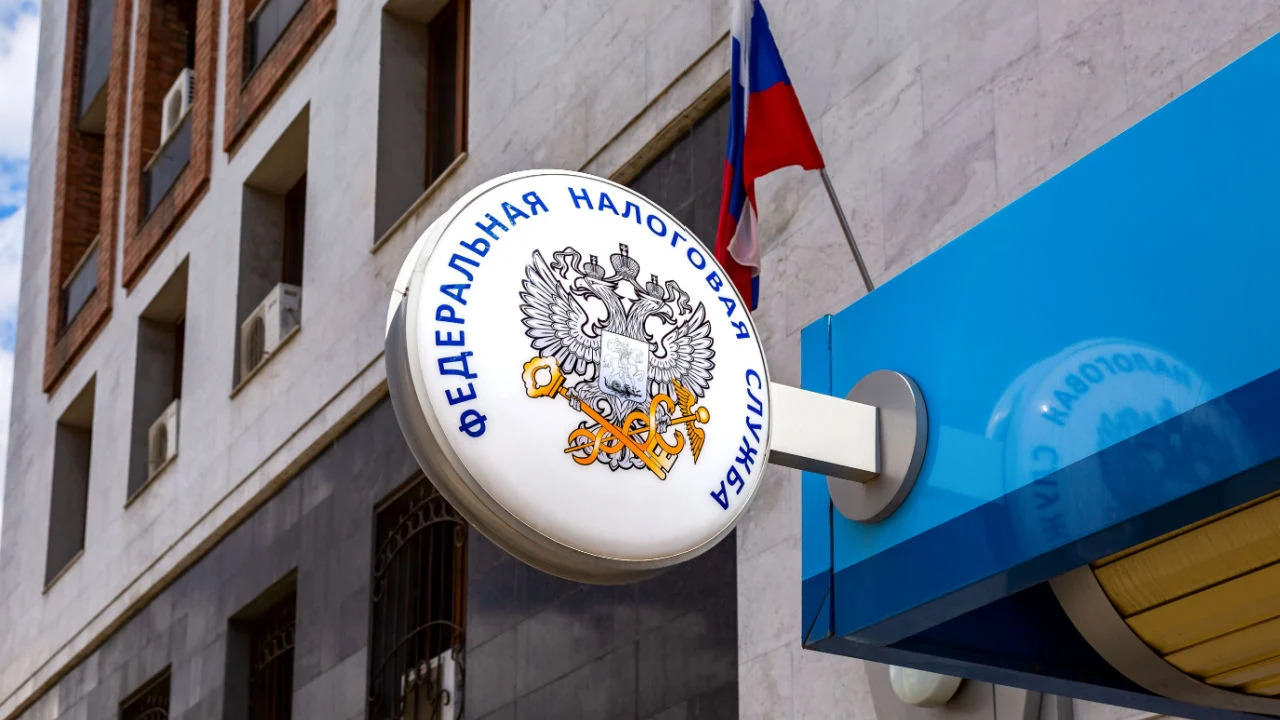
A senior government official has indicated that the Federal Tax Service (FTS) will assume the pivotal role of being the primary regulator for cryptocurrencies, acting as both the gatekeeper for market participants and the watchdog for compliance. This article delves into the current regulatory concept being discussed, focusing on the significance of individuals and businesses reporting their cryptocurrency assets and transactions to the tax service.
During a recent interview with Izvestia, Deputy Finance Minister Alexey Moiseev disclosed that the FTS is set to become the authoritative regulatory body for Russia's cryptocurrency industry. A draft legislation is being prepared to establish regulatory rules for the sector, and the government is considering the creation of a specialized state body to oversee the thriving crypto market.
Moiseev clarified that, as outlined in their concept, the supervisory agency will shoulder the responsibility of receiving declarations from individuals and organizations regarding their crypto wallets and transactions. Drawing a parallel to the prevailing practice of reporting foreign accounts, Moiseev asserted that it is only logical for the FTS to assert its regulatory power over cryptocurrencies as well.
Under the proposed regulatory framework, both private individuals and legal entities in Russia will have the freedom to engage in various crypto activities, including mining, selling, and holding cryptocurrencies for investment purposes. However, it is important to note that all these transactions will be subject to meticulous reporting requirements, with resulting incomes subjected to appropriate taxation. Moiseev emphasized that crucial information regarding crypto wallets and transactions will be shared with three key institutions: the Federal Tax Service, Rosfinmonitoring (Russia's financial watchdog), and the Central Bank of Russia.
Moiseev highlighted that, apart from banks, the primary interface for reporting and compliance will undoubtedly be the Federal Tax Service. He explained that the FTS will function as a gateway for citizens' declarations, mirroring its current role in managing foreign bank accounts. This consolidation of reporting obligations aims to streamline the regulatory process and ensure effective oversight of crypto activities.
Russia's Path to Crypto Regulation
In recent years, Russia has faced a series of Western sanctions and financial constraints due to its involvement in Ukraine. In response, the country has intensified its efforts to legalize select crypto-related activities, including mining and the utilization of cryptocurrencies for international settlements. Currently, four crypto-related laws are undergoing thorough review in the State Duma, the lower house of the Russian parliament. Anatoly Aksakov, the head of the Financial Market Committee, has expressed unwavering optimism, anticipating the adoption of these laws by the end of July.
Russia is forging ahead with its determined plan to regulate the growing crypto industry, with the Federal Tax Service poised to take center stage as the primary regulator. The proposed regulations will mandate individuals and entities to dutifully report their crypto holdings and transactions, ensuring compliance and appropriate taxation of crypto-derived income. By consolidating reporting obligations under the purview of the Federal Tax Service, Russia aims to establish a robust framework for overseeing the crypto sector, aligning it with international standards.