Russia's War in Ukraine Could Jeopardize Antarctic Wildlife
-
 Loading...
 - megan lolla
- 03 Nov 2022
- 67 Views
- 0 Like
- 0 Comment
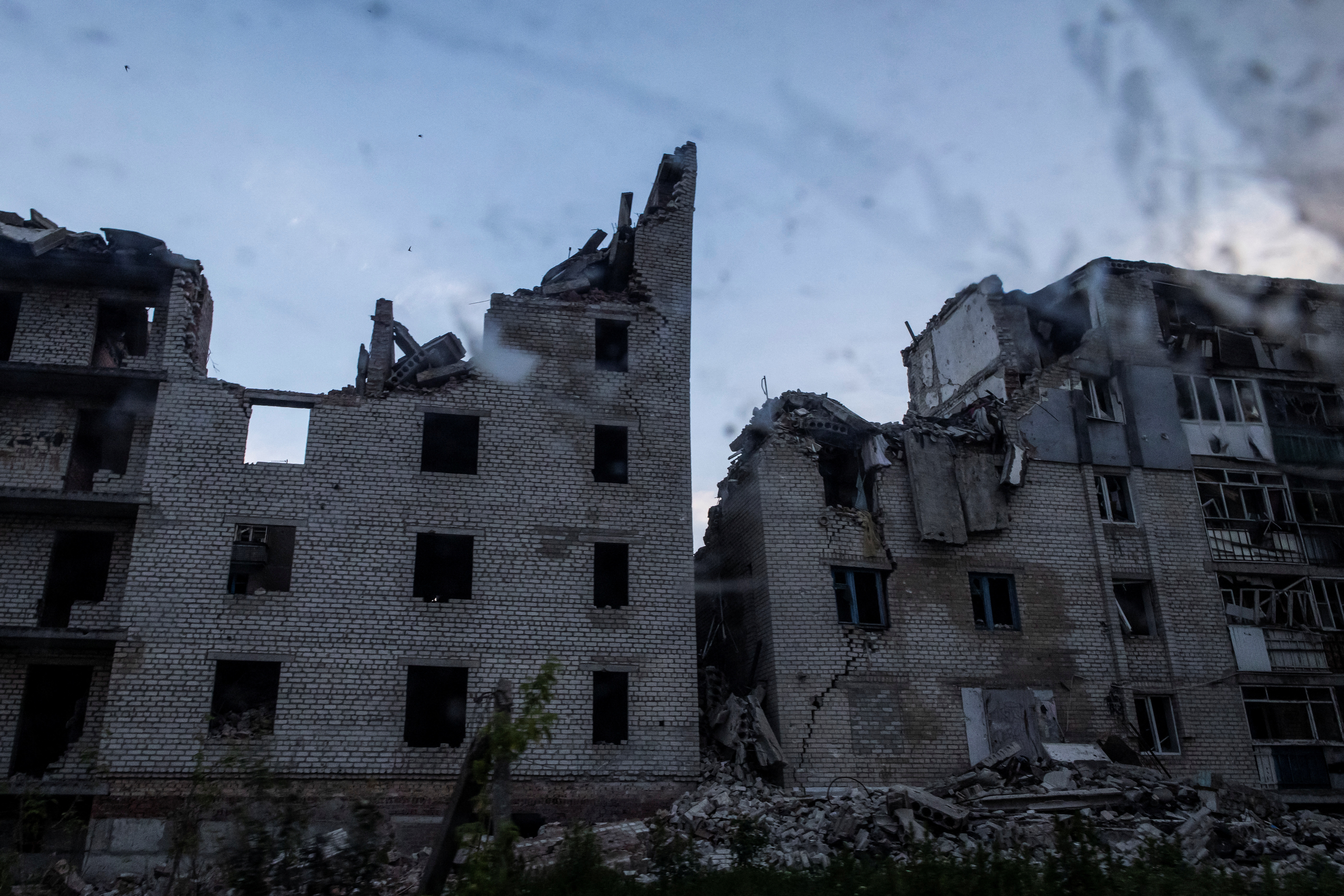
Twenty-six nations are meeting in Hobart, Australia, this week to decide the future of Antarctic seas. That is, if politics don’t get in the way. The meetings come against a backdrop of ongoing Russia-Ukraine tensions. Two weeks ago a Russian bomb decimated the offices of Ukraine’s National Antarctic Scientific Center in Kyiv. This undoubtedly will set the tone for a series of tension-filled meetings, which, once concluded on Nov. 4 will see Ukraine replace Sweden as the rotating chair for two years. But it’s not as if nations have never been able to put politics aside in the name of conservation.
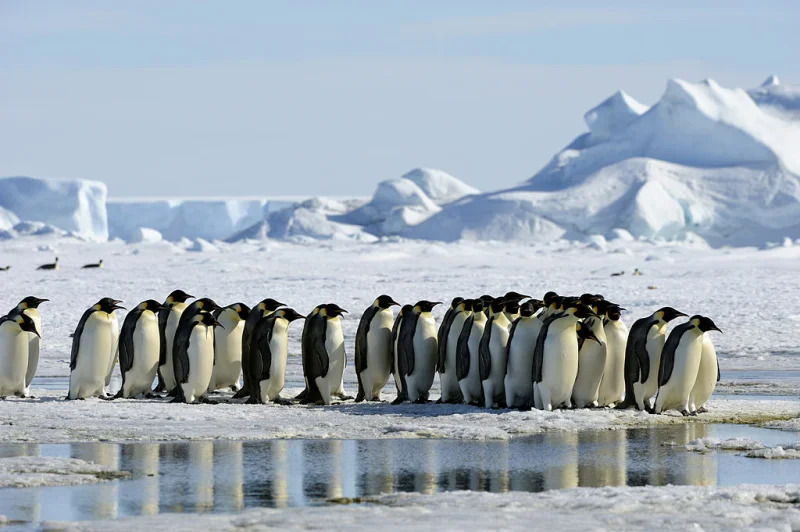
Back in 1959, at the height of the Cold War, the world set Antarctica aside as a zone for peace and scientific cooperation. That meant no mining, harvesting, or hunting anywhere on the continent. But the Antarctic Treaty didn’t extend to the waters lapping at its edge, despite the fact that most of the continent’s life-forms depend on the sea for sustenance. As overfishing threatened to take its toll on the Southern Ocean, nations established a new marine protection area (MPA) in 2016 covering 600,000 square miles in the Ross Sea.
Now, climate change is increasing the urgency to protect even more of Antarctica’s waters from exploitation. And it’s up to the Commission for the Conservation of Antarctic Marine Living Resources (CCAMLR)—the international organization tasked with regulating fisheries around Antarctica in a way that protects the continent’s fragile ecosystem—to decide whether to create three new protected zones.
This would include one around the Antarctic Peninsula, one in the Weddell Sea, and another on the eastern coast. Together these three areas would account for 1.4 million square miles, approximately the size of India and Pakistan combined. Establishing those three zones would go a long way towards fulfilling a global commitment to designate 30% of earth’s land and oceans as protected areas by 2030. Read More…