
Home Upload Photo Upload Videos Write a Blog Analytics Messaging Streaming Create Adverts Creators Program
Bebuzee Afghanistan Bebuzee Albania Bebuzee Algeria Bebuzee Andorra Bebuzee Angola Bebuzee Antigua and Barbuda Bebuzee Argentina Bebuzee Armenia Bebuzee Australia Bebuzee Austria Bebuzee Azerbaijan Bebuzee Bahamas Bebuzee Bahrain Bebuzee Bangladesh Bebuzee Barbados Bebuzee Belarus Bebuzee Belgium Bebuzee Belize Bebuzee Benin Bebuzee Bhutan Bebuzee Bolivia Bebuzee Bosnia and Herzegovina Bebuzee Botswana Bebuzee Brazil Bebuzee Brunei Bebuzee Bulgaria Bebuzee Burkina Faso Bebuzee Burundi Bebuzee Cabo Verde Bebuzee Cambodia Bebuzee Cameroon Bebuzee Canada Bebuzee Central African Republic Bebuzee Chad Bebuzee Chile Bebuzee China Bebuzee Colombia Bebuzee Comoros Bebuzee Costa Rica Bebuzee Côte d'Ivoire Bebuzee Croatia Bebuzee Cuba Bebuzee Cyprus Bebuzee Czech Republic Bebuzee Democratic Republic of the Congo Bebuzee Denmark Bebuzee Djibouti Bebuzee Dominica Bebuzee Dominican Republic Bebuzee Ecuador Bebuzee Egypt Bebuzee El Salvador Bebuzee Equatorial Guinea Bebuzee Eritrea Bebuzee Estonia Bebuzee Eswatini Bebuzee Ethiopia Bebuzee Fiji Bebuzee Finland Bebuzee France Bebuzee Gabon Bebuzee Gambia Bebuzee Georgia Bebuzee Germany Bebuzee Ghana Bebuzee Greece Bebuzee Grenada Bebuzee Guatemala Bebuzee Guinea Bebuzee Guinea-Bissau Bebuzee Guyana Bebuzee Haiti Bebuzee Honduras Bebuzee Hong Kong Bebuzee Hungary Bebuzee Iceland Bebuzee India Bebuzee Indonesia Bebuzee Iran Bebuzee Iraq Bebuzee Ireland Bebuzee Israel Bebuzee Italy Bebuzee Jamaica Bebuzee Japan Bebuzee Jordan Bebuzee Kazakhstan Bebuzee Kenya Bebuzee Kiribati Bebuzee Kuwait Bebuzee Kyrgyzstan Bebuzee Laos Bebuzee Latvia Bebuzee Lebanon Bebuzee Lesotho Bebuzee Liberia Bebuzee Libya Bebuzee Liechtenstein Bebuzee Lithuania Bebuzee Luxembourg Bebuzee Madagascar Bebuzee Malawi Bebuzee Malaysia Bebuzee Maldives Bebuzee Mali Bebuzee Malta Bebuzee Marshall Islands Bebuzee Mauritania Bebuzee Mauritius Bebuzee Mexico Bebuzee Micronesia Bebuzee Moldova Bebuzee Monaco Bebuzee Mongolia Bebuzee Montenegro Bebuzee Morocco Bebuzee Mozambique Bebuzee Myanmar Bebuzee Namibia Bebuzee Nauru Bebuzee Nepal Bebuzee Netherlands Bebuzee New Zealand Bebuzee Nicaragua Bebuzee Niger Bebuzee Nigeria Bebuzee North Korea Bebuzee North Macedonia Bebuzee Norway Bebuzee Oman Bebuzee Pakistan Bebuzee Palau Bebuzee Panama Bebuzee Papua New Guinea Bebuzee Paraguay Bebuzee Peru Bebuzee Philippines Bebuzee Poland Bebuzee Portugal Bebuzee Qatar Bebuzee Republic of the Congo Bebuzee Romania Bebuzee Russia Bebuzee Rwanda Bebuzee Saint Kitts and Nevis Bebuzee Saint Lucia Bebuzee Saint Vincent and the Grenadines Bebuzee Samoa Bebuzee San Marino Bebuzee São Tomé and Príncipe Bebuzee Saudi Arabia Bebuzee Senegal Bebuzee Serbia Bebuzee Seychelles Bebuzee Sierra Leone Bebuzee Singapore Bebuzee Slovakia Bebuzee Slovenia Bebuzee Solomon Islands Bebuzee Somalia Bebuzee South Africa Bebuzee South Korea Bebuzee South Sudan Bebuzee Spain Bebuzee Sri Lanka Bebuzee Sudan Bebuzee Suriname Bebuzee Sweden Bebuzee Switzerland Bebuzee Syria Bebuzee Taiwan Bebuzee Tajikistan Bebuzee Tanzania Bebuzee Thailand Bebuzee Timor-Leste Bebuzee Togo Bebuzee Tonga Bebuzee Trinidad and Tobago Bebuzee Tunisia Bebuzee Turkey Bebuzee Turkmenistan Bebuzee Tuvalu Bebuzee Uganda Bebuzee Ukraine Bebuzee United Arab Emirates Bebuzee United Kingdom Bebuzee Uruguay Bebuzee Uzbekistan Bebuzee Vanuatu Bebuzee Venezuela Bebuzee Vietnam Bebuzee World Wide Bebuzee Yemen Bebuzee Zambia Bebuzee Zimbabwe
Blog Image

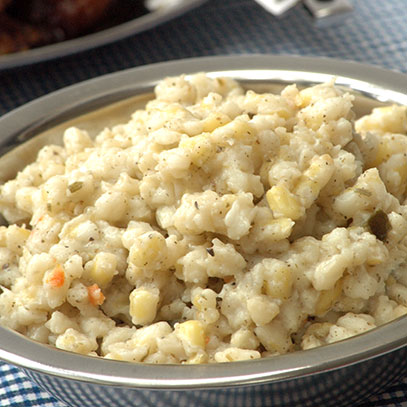
Samp

Samp is another popular food eaten in Zambia. Like nshima, it is also sourced from maize. However, unlike nshima, the maize isn’t finely ground. Once it has been ground into smaller pieces and the coating around the maize is off, you have your samp.

History of Zambian Samp 

Zambian "samp" is a traditional dish made from maize, a staple crop in Zambia. It is also commonly known as "nshima" or "ubwali" and is a significant part of Zambian cuisine.

The history of samp in Zambia dates back to the pre-colonial era, where maize was first introduced to the region by early Portuguese traders. Maize quickly became a staple crop due to its high yield and ability to grow in various regions of Zambia.

The preparation of samp involves boiling maize kernels in water until they are soft and then pounding them into a thick paste or dough. This process is usually done in a large pot called a "nsaka" and requires constant stirring and kneading to prevent lumps from forming.

Here's a recipe for samp from Zambia:

Ingredients:
- 1 cup dried samp
- 4 cups water
- 1 teaspoon salt
- 2 tablespoons butter
- 1 onion, chopped
- 1 green bell pepper, chopped
- 2 tomatoes, chopped
- 2 cloves garlic, minced
- 1 teaspoon curry powder
- 1/2 teaspoon ground cumin
- 1/2 teaspoon paprika
- Salt and pepper to taste

Instructions:

1. Rinse the samp in cold water and soak it overnight in water.

2. Drain the samp and place it in a pot with 4 cups of water and 1 teaspoon of salt.

3. Bring the water to a boil, reduce the heat to low and let it simmer for about 2 hours or until the samp is tender.

4. In a separate pan, melt the butter and sauté the onion, green bell pepper, and garlic until soft.

5. Add the chopped tomatoes, curry powder, cumin, paprika, salt, and pepper. Cook for about 5 minutes.

6. Add the cooked samp to the tomato mixture and stir to combine.

7. Cover and simmer for an additional 10-15 minutes, stirring occasionally.

8. Serve hot as a side dish or as a main meal with some bread or meat. Enjoy!

FAQs about Zambian Samp

Q: What are some common stews or relishes served with Zambian Samp food?

A: Some common stews or relishes served with Zambian Samp food include meat, fish, or vegetable dishes. These may be spiced with a variety of ingredients, such as tomatoes, onions, garlic, chilies, and ginger.

Q: How is Zambian Samp food eaten? 

A: Zambian Samp food is typically eaten by hand, using the ball or patty of maize dough as a utensil to scoop up the stew or relish. It is a communal meal that is often shared with family and friends.

Q: Is Zambian Samp food gluten-free? 

A: Yes, Zambian Samp food is gluten-free, as it is made solely from maize, which is a gluten-free grain.

Q: Is Zambian Samp food vegan?

 A: Zambian Samp food can be vegan if served with vegetable-based stews or relishes. However, it may also be served with meat or fish-based stews or relishes, depending on the preference of the person preparing the meal.

Previous Post

Venezuelan Pan de Jamón Recipe: A Delicious Holiday Tradition

Next Post

Bulgarian beans soup

Comments