Satire Definition: How to Write Satire
-
 Loading...
 - Marcelle Simon
- 16 Aug 2022
- 77 Views
- 0 Like
- 0 Comment
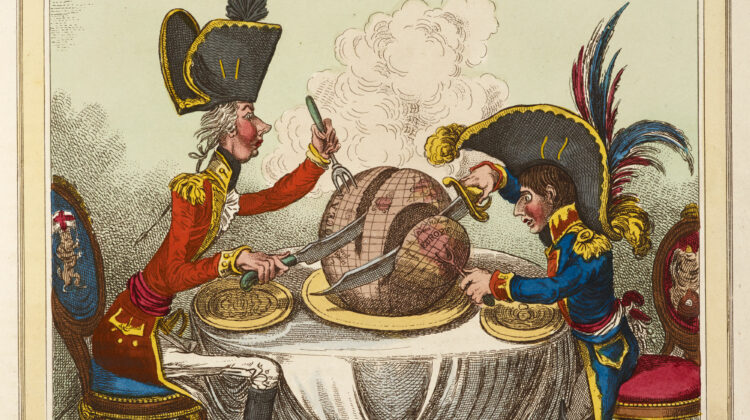
If there’s any genre of literature designed to make fun of humankind, it’s satire. In both prose and poetry, writers have employed satirical techniques as far back as Ancient Egypt, utilizing the conventions and elements of satire to write about our follies.
Satire writing has become more popular in recent years. This is partially due to the internet: greater access to information has given writers more follies to satirize. It also helps that satirical publications, like The Onion and Reductress, have amplified satires about the modern day.
While headlines like “Overly Cautious Pregnant Woman Only Going To Ride Roller Coaster 6 Or 7 Times” seem silly and unsophisticated, there’s actually a fine art to satire that many readers and writers overlook. This article covers the basics of how to write satire: the different types of satire, the various elements of satire, and different satirical techniques essential to the form. Along the way, we’ll analyze those elements and techniques through some satire examples.
But first, what is satire? It’s important to understand both what it is and what it isn’t. Let’s define satire accordingly.
Satire Definition: What is Satire?
Satire is the art of mocking human follies or vices, with the intent of correcting or criticizing those shortcomings of human nature. It is, quite simply, a tasteful means of ridiculing human behaviors, institutions, and politics.
Satire definition: the art of mocking human follies or vices, with the intent of correcting or criticizing those shortcomings of human nature.
Now, satire isn’t just senseless ribbing. Writing about something with sarcasm, irony, or condescension doesn’t make something satirical. Nor does it count if you simply make fun of something: an essay that laughs at arson victims, for example, would just be cruelty. Read More...