Scientists Confirm Emergence of New Strain of Bird Flu in the U.S.
-
 Loading...
 - Michelle Collins
- 29 Jan 2025
- 40 Views
- 0 Like
- 0 Comment
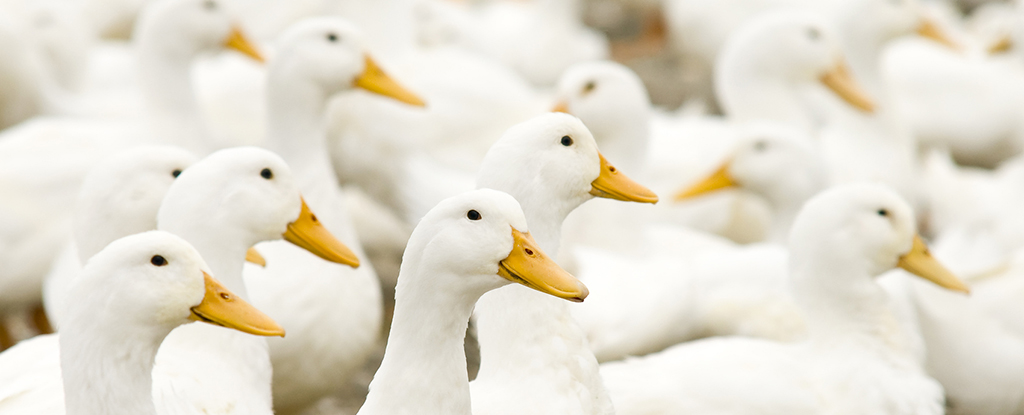
A new strain of bird flu has been confirmed at a duck farm in California, marking the first detection of this variant in poultry within the United States, according to a report from the World Organisation for Animal Health (WOAH). The strain, identified as highly pathogenic avian influenza (HPAI) H5N9, was confirmed on January 13 at a commercial duck facility in Merced County.
The WOAH, which monitors animal diseases globally, stated that this outbreak is significant as it represents the first confirmed case of HPAI H5N9 in U.S. poultry. Following the confirmation, all 119,000 birds at the affected farm were culled to prevent further spread of the virus. The report also noted that the H5N1 strain of bird flu, which is already widespread among animals in the U.S., was present at the same farm.
In response to the outbreak, U.S. animal health officials are conducting comprehensive epidemiological investigations and have ramped up surveillance efforts. The emergence of this new strain comes at a critical time, as health experts have been increasingly vocal about the potential pandemic threat posed by bird flu, particularly as it shows signs of mutation and has been infecting various animal species, including cows.
The situation is further complicated by the recent decision of President Donald Trump to withdraw the United States from the World Health Organization (WHO). As the largest donor to the UN health agency, the U.S. plays a crucial role in coordinating global health responses, including tracking and managing health emergencies like the bird flu outbreak.
Health experts have expressed concern that the lack of cooperation and data sharing between the U.S. and WHO could hinder efforts to monitor the spread of viruses internationally. The WHO has indicated that the U.S. withdrawal is a significant concern for global health, especially in light of the ongoing bird flu situation.
As of this week, the U.S. Centers for Disease Control and Prevention (CDC) reported that 67 individuals in the United States have contracted bird flu, with one fatality occurring in early January. These cases were linked to direct exposure to infected animals, and the WHO has emphasized that, to date, there have been no reported instances of human-to-human transmission.
However, scientists remain vigilant, warning that if a person were to become infected with both bird flu and seasonal flu, there is a risk that the bird flu virus could mutate into a strain capable of human transmission, potentially triggering a pandemic.
As the situation develops, health officials and experts continue to advocate for increased surveillance and proactive measures to mitigate the risks associated with avian influenza and its potential impact on public health.