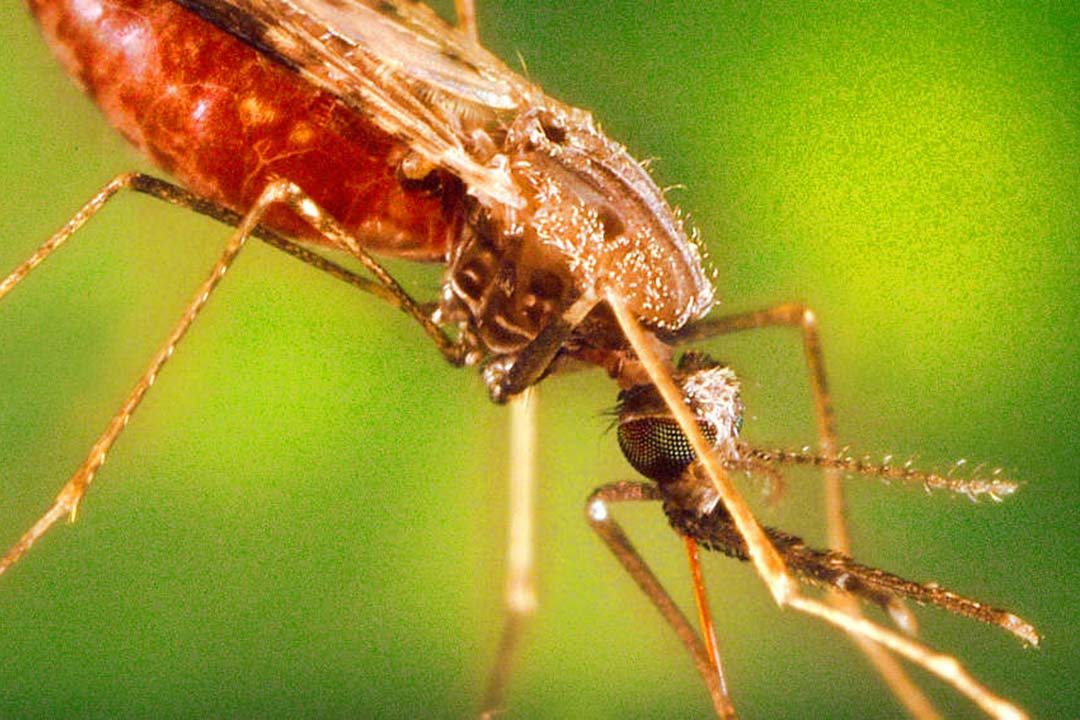
Scientists engineer mosquitoes that cannot spread malaria
-
 Loading...
 - Susan Temba
- 22 Sep 2022
- 69 Views
- 0 Like
- 0 Comment
Scientists have engineered mosquitoes that cannot give humans malaria, saying their work could potentially eliminate the disease.
Researchers at Imperial College London genetically modified the insects so that the growth of malaria-causing parasites in their guts was slowed.
It meant the parasites were unlikely to reach the mosquitoes’ salivary glands and be passed on in a bite before the insects died.
So far, the scientists say, the technique has been shown to dramatically reduce the possibility of malaria spread in a laboratory, but if proven safe and effective in the real world, it could offer a powerful new tool to help eliminate malaria.
The study, funded by the Bill and Melinda Gates Foundation and published in Science Advances, has led the team to set up a centre in Tanzania to generate genetically modified mosquitoes and conduct tests.
The work involves collecting parasites from locally infected schoolchildren.
Malaria is one of the world’s most devastating diseases, putting at risk about half of the world’s population. Last year, it infected 241 million people in sub-Saharan Africa and killed 627,000, mostly children aged below five. Read More…