Scientists Say: Virtual reality
-
 Loading...
 - Alice Barone
- 27 Jun 2022
- 147 Views
- 0 Like
- 0 Comment
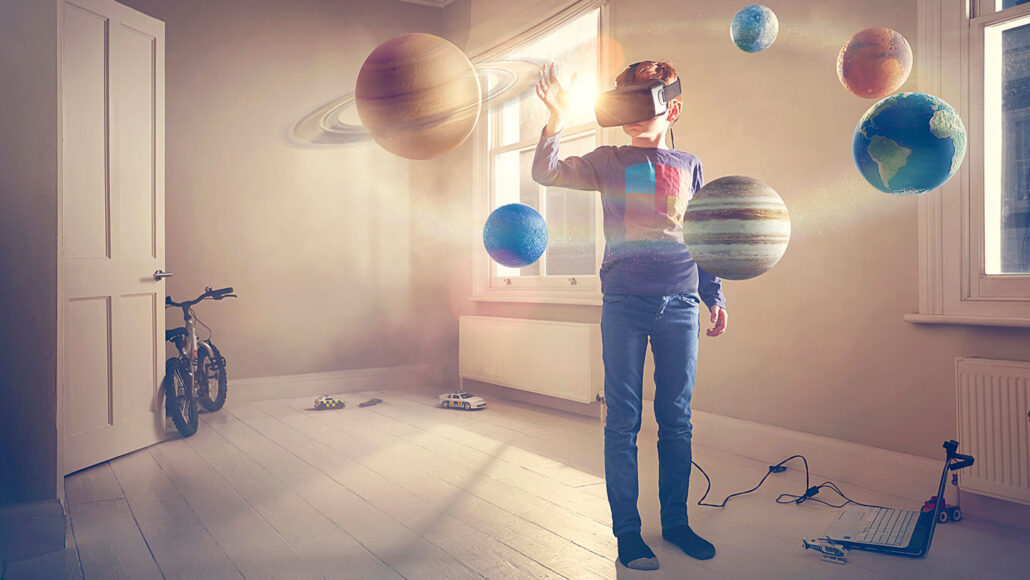
Virtual reality, or VR, is an artificial world created by a computer. Users can enter such artificial worlds by strapping on a VR headset. The headset blocks out sights of the real world. It also displays views of the simulated environment. Those views seem to have depth. This gives a user the sense that they are inside a real, 3-D space. (VR headsets create that illusion with a trick called stereoscopy.) Motion tracking allows a VR system to change a user’s view of a virtual world as they turn their head. And users can interact with objects in VR using handheld controllers. Adding sounds can make the experience even more immersive.
VR hasn’t just made video games more realistic. Immersing people in calm VR settings can help soothe pain. And facing fears in VR can help people conquer those fears in real life. Plus, creating 3-D models of historic sites in VR could preserve artifacts lost to sea level rise. And rendering extinct animals in VR could help bring history to life.
So far, VR has mostly been limited to sights and sounds. But some scientists are working to add touch, or haptic sensations to VR. That could make computer-generated worlds even more immersive.
In a sentence
With new technology, people who can’t hold hand controllers could navigate virtual reality with facial expressions. Read More...