Scientists use ivory tusk DNA data to locate poaching networks
-
 Loading...
 - Tracy Owiti
- 01 Mar 2022
- 401 Views
- 0 Like
- 0 Comment
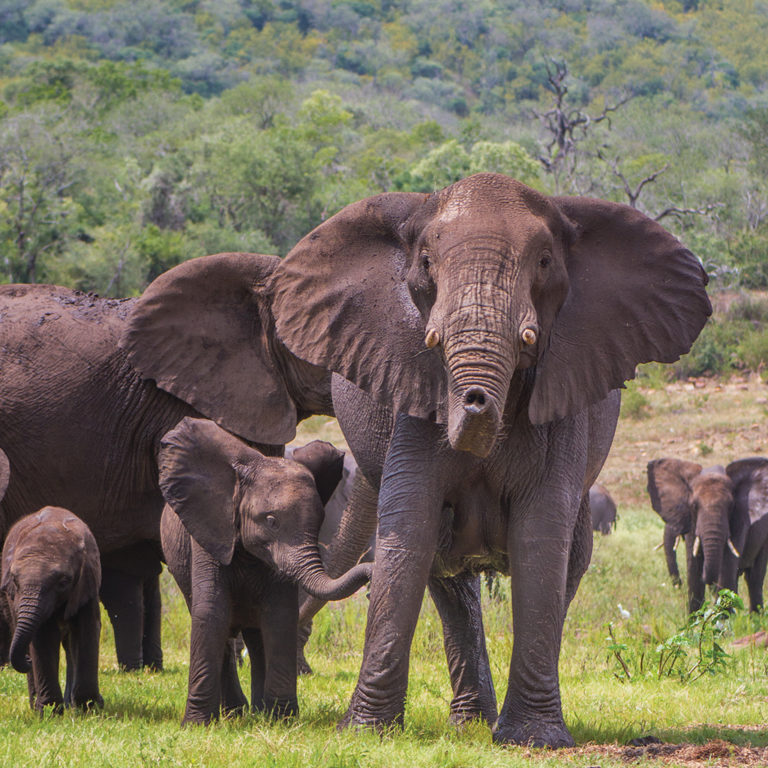
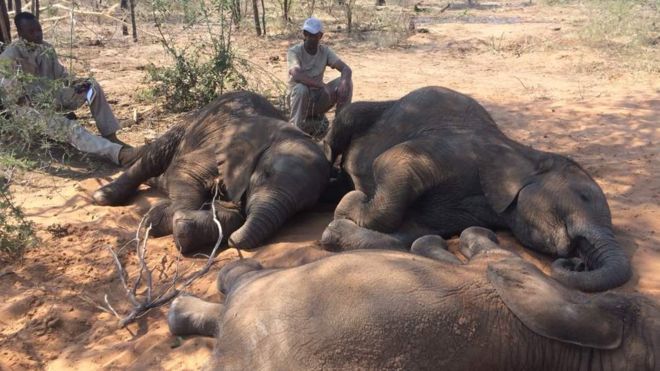
In Ivory Coast a group of conservationists and veterinarians are moving this increasingly endangered forest elephant to an area where the animal is less likely to be targetted by poachers.
Scientists have been using DNA testing to track how ivory traffickers are operating.
As few as three major criminal groups are responsible for smuggling the vast majority of elephant ivory tusks out of Africa, according to a new study.
They've develop a combined genetic and statistical method to determine the origin of poached ivory and they are collaborating with the Interpol Working Group on Wildlife Crime to investigate the origins of all major ivory seizures in the recent past.
Researchers used analysis of DNA from seized elephant tusks and forensic evidence such as phone records, license plates, financial records and shipping documents to map trafficking operations across the continent and better understand who was behind the crimes.
The study was published (Monday 14 February) in the journal Nature Human Behavior.
They've identified key locations where ivory is poached, packed in shipping containers, then moved by truck or rail to port cities – and how traffickers have shifted operations over time in response to law enforcement.
Current trafficking hubs exist in Kampala, Uganda; Mombasa, Kenya; and Lome, Togo.
Co-author Professor Samuel Wasser from the University of Washington says the focus has been on large shipments of over half a metric ton.
They have been tracing what they describe as "transnational criminal organizatons" or TCOs.
Wasser says the contraband is moved in large amounts in shipping containers to ports outside of the countries where the poaching happens.
He says: "In almost all cases, except for early on, the ivory was being exported out of a different country from where it was poached, which means that, you know, the poachers are on foot and they only have as much as they can carry, and middlemen were going buying the ivory, moving it up to a neighbouring country where it was being consolidated by these big transnational criminal organisations, that l'll call TCOs, and being shipped out of the country. And so it was those TCOs that we believe were the choke point in the trade, if you can, because once the transnational criminal organisations, moving contraband tend to move these large shipments on ships in containerised on ships as marine cargo. And 70 percent of the world's products are moved on ships, so there's literally a billion containers moved around the world each year. So if you are a transnational criminal, all you got to do is get your consignment through customs into transit and you pretty much got it, made it so hard to trace it once that happens."
Wasser says the poaching is concentrated in a few carefully chosen areas.
"To be a poaching hotspot, you have to be a big area with a huge number of elephants, so you can keep going back to them over and over again. So for example, the biggest hot spot that we saw was in the Selous Game Reserve in southern Tanzania, which is 55,000 square kilometres. It's the largest protected area in Africa and the poachers operating in there know that area very well because they they grew up there and trying to find those poachers in an area of that size is extremely difficult and then when you do find them, they only have as many tusks as they can carry. So it's not a very big haul and there's plenty of other poachers that can replace them," says Wasser.
Each year, some 500 metric tons (1.1 million pounds) of poached elephant tusks are shipped from Africa, mostly to Asia.
Wasser hopes the findings will help law enforcement officials target the leaders of these networks instead of low-level poachers who are easily replaced by criminal organizations.
He says: "If you can stop the trade where the ivory is being consolidated and exported out of the country, those are really the key players that you need to get there, the choke point and our work has shown that they have been operating for decades. They are the people that the poachers depend on to buy their ivory. So if you can get them, you can break the whole trade."
According to Wasser all of the vast illegal trade in ivory is being organized by a very few well protected criminals. Read More…