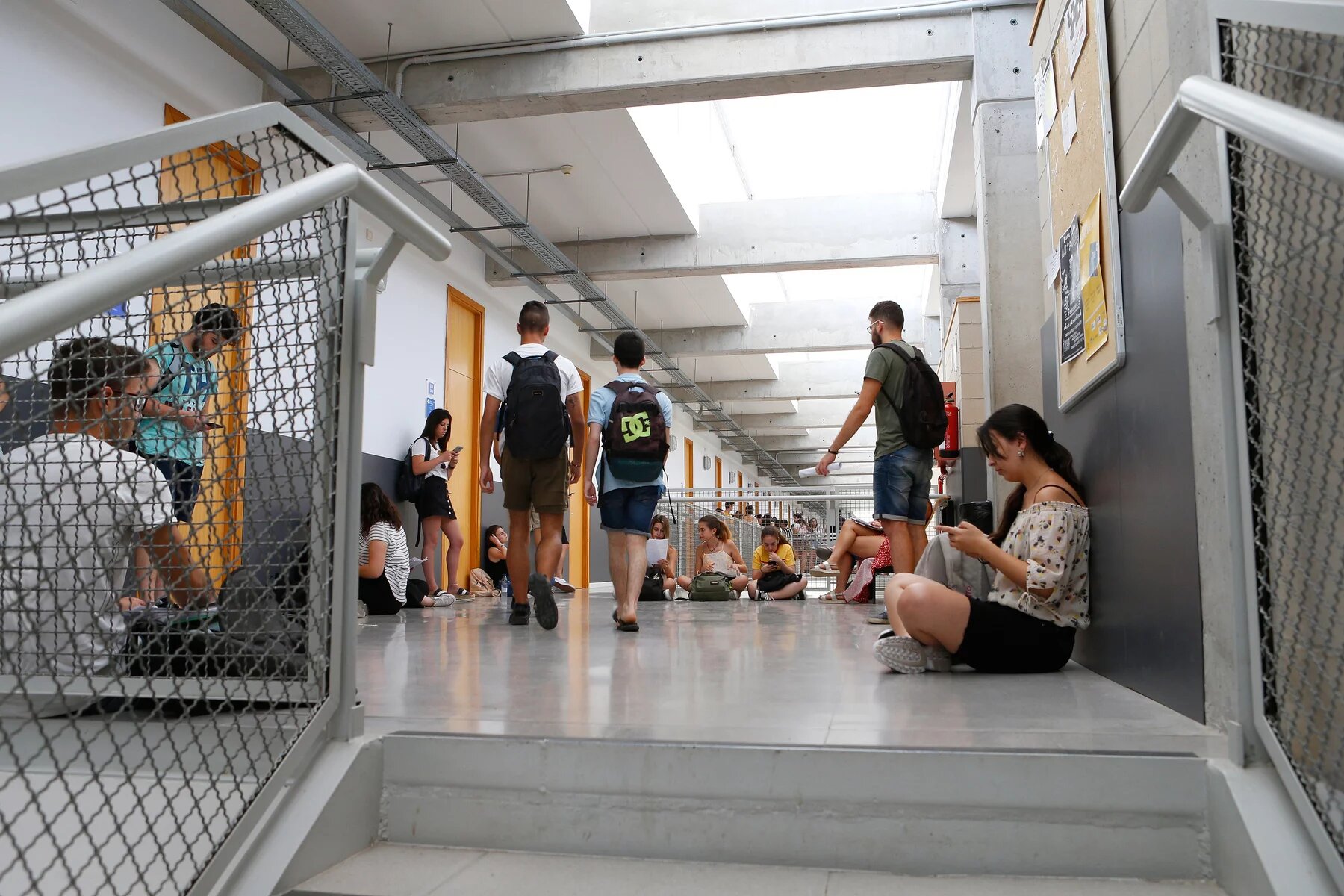
Secondary education in Spain
-
 Loading...
 - Fernando Lopez
- 11 Apr 2023
- 86 Views
- 0 Like
- 0 Comment
We outline all you need to know about secondary education in Spain, including the types of schools, enrollment process, curriculums, and more.
If you’re moving to Spain with secondary-school-age children, then sorting out their educational needs is likely high on your list of things to do. That said, understanding the Spanish education system might seem overwhelming, especially if you face a language barrier.
The secondary education system in Spain
After children have completed primary school in Spain, they must attend compulsory secondary education from the age of 12 to 16. This stage is called Educación Secundaria Obligatoria (compulsory secondary education), or ESO for short.
There are several types of centers that teach ESO:
Institutos de Educación Secundaria (IES): These state-funded institutions for secondary education are free to attend and are the most common type of secondary school in Spain.
Colegios concertados: These are state-funded private schools. However, as they are often Catholic, you might pay a fee for tuition. Still, fees are lower than private schools.
Centros privados: To attend these schools, you need to pay tuition and registration fees. As they run independently from the state, they may provide different curriculums.
Once students have finished their ESO, they may continue at school until the age of 18. After this, they can either study the Spanish Baccalaureate (or Bachillerato) in preparation for university or Formación Profesional (FP), which is vocational training. Conversely, students can begin working at the age of 16. Read More…


