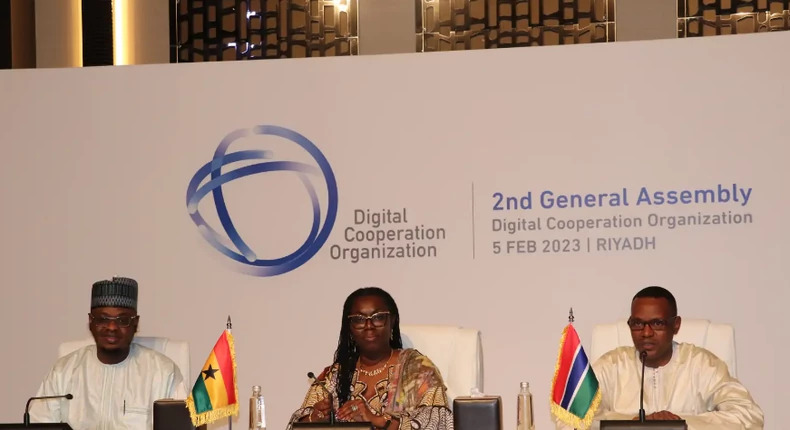
See Ghana and Gambia’s plan to boost digitization in their respective economies
-
 Loading...
 - Morowa Sowah
- 23 Feb 2023
- 61 Views
- 0 Like
- 0 Comment
The efforts of Ghana and Gambia to develop tech-based industries are intensifying. The two nations, which have a combined population of 35 million, want to be included as the majority of economies once reliant on oil, industry, and agriculture transition to digital economies.
This news is courtesy of Quartz Africa, a publication centered on African news.
Recently, both countries joined Nigeria, Rwanda, Morocco, and Djibouti as members of the Digital Cooperation Organization (DCO), whose goal is, to link Africa and Gulf countries in realizing a common digital economy agenda.
Other non-African members include Bahrain, Jordan, Kuwait, Oman, Saudi Arabia, Cyprus, and Pakistan. They collectively represent nearly $2 trillion in GDP and a market of nearly 600 million people.
Ghana has seen rapid advancements in digital technology and is currently one of the sub-Saharan African nations with the highest rates of ICT adoption.
According to a 2019 World Bank report, the west African nation is in third place in terms of how digital platforms are affecting the economy, after Nigeria and South Africa. In terms of the adoption of mobile money in Africa, it comes in second place after Kenya.
Ghana’s government is emphasizing efforts to introduce additional digital technology in other fields, such as the issuing of national IDs, digital address systems, and digitalization of land records. In order to increase production and service delivery, it is consolidating them.
Along with investing in the national fiber network to increase and improve internet access, it also aims to digitize fiscal tax collection, enable a cashless society, and enhance the delivery of online education.
The country is also prioritizing the promotion of increased digital literacy as it seeks to support Ghanaian technology entrepreneurs to build tech hubs and export IT-enabled services such as business process outsourcing. Read More…