Seven common myths about Austrian food you need to stop believing
-
 Loading...
 - Wilow Mayer
- 18 Mar 2022
- 401 Views
- 0 Like
- 0 Comment
Myth one: Austrian food is bland
Whether it’s smearing your sausage with a mixture of fiery horseradish (Kren) or mustard (Senf), or ordering a Bosna, a sausage which comes with fresh coriander and curry powder, munching on pickles or sampling a spiced Christmas biscuit, there are many flavours in Austrian food.
No Würstelstand (sausage stand) is complete without its jar of pickled chillis or gherkins. Bread is often gewürzbrot – seasoned with caraway, coriander or cumin seeds, while Lebkuchen biscuits are spiced with cinnamon, ginger, cloves and nutmeg.
In terms of the types of meat you will be offered in a traditional Austrian restaurant, offal is still very popular, along with a variety of wild game such as wild boar and deer. Goose is also widely eaten, especially around Martinigansl in November, when it is a seasonal festive dish. As mentioned earlier, horse is also a popular food in Vienna.
Myth two: Leberkäse contains liver and cheese
Yes, Leberkäse translates directly as liver (Leber) cheese (Käse), and in parts of Germany it must contain these ingredients to be called Leberkäse.
It is all different in Austria. Here it is a fatty meatloaf which is most often made from pork, bacon or beef.
Sometimes Leberkäse is made with horse meat, lamb, or game, but in this case it should be labelled as such. Pferd means horse, in case you were wondering.
Myth three: Austrian food is just German cuisine
While the cuisines of Bavaria and Austria may have some aspects in common, such as a love of dumplings, for example, Austrian and German cuisines are not the same.
Austria has richer, sweeter desserts and more interesting deep fried meat dishes (in my opinion).
However, both countries love cabbage, especially pickled Sauerkraut and all kinds of meat, whether it’s raw beef, or cooked ham, bacon or pork.
Both countries also enjoy celebrating the asparagus harvest in the spring, the time known as Spargelzeit (asparagus time), along with other seasonal treats such as wild garlic (Barlauch) in Austria and southern Germany or young fermented wine in the autumn.
This wine is called Sturm in Austria and Traubenmost in Germany. Of course, Germany has many regional variations, as does Austria, so perhaps it’s hard to compare the two.
Myth four: Austrian food is the same as Viennese Cuisine
Although Schnitzel, Apfelstrudel (apple strudel) and Sachertorte are rightly famous, Austrian food is about so much more than these Viennese specialities.
One of the most popular dishes across the country is Tafelspitz, boiled veal or beef in broth, served with a mix of cooked apples and horseradish.
But there is also Styrian fried chicken, served with a salad dressed with pumpkin oil, Schlipfkrapfen, a type of stuffed pasta from Tyrol, Linz’s famous Linzer Torte cake and Salzburger Nockerl, a pillowy meringuey dumpling shaped to look like a snowy mountain range.
The widespread love of Marillenknödel (apricot dumplings), shows the Austrian love of seasonal and regional ingredients. Apricot dishes of all kinds can be found in the Wachau region of lower Austria, which is famous for its apricot orchards.
Myth five: Austrian cuisine is fancy
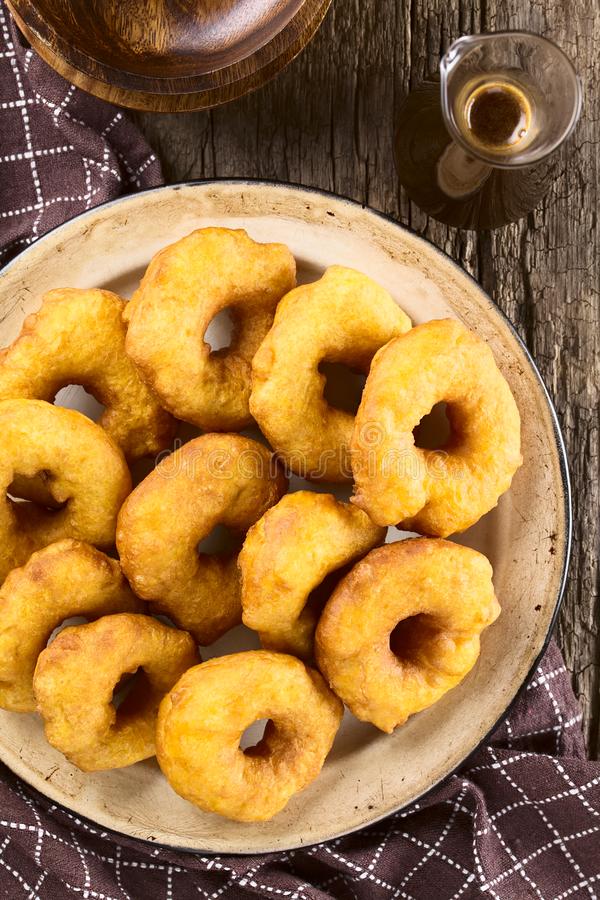
Austrian food is all about Gemütlichkeit (comfort), whether it’s wallowing in a plate of cheesy pasta (Käsespätzle) after a day on the slopes in Tyrol or Vorarlberg, or trying one of the thousands of varieties of donuts (Krapfen) on offer at Carnival (Faschings).
It’s all about Gutbürgerliche – defined in the Duden German dictionary as a “cuisine that offers simple and unrefined dishes in ample portions”.
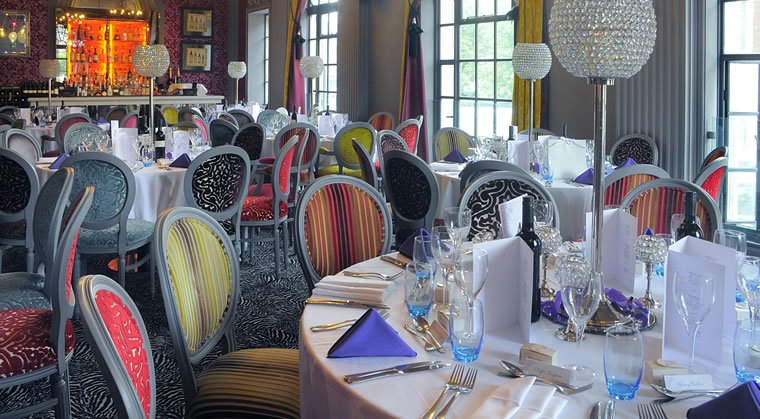
Of course the settings in Austrian restaurants may be very grand, especially in Vienna where you could easily be dining in some high vaulted cafe with waiters in black jackets, but Austrian food is all about tasty, simple, home-cooked style meals.
The typical example is an elegantly dressed woman in Vienna munching on a Leberkäse (meatloaf) sandwich for lunch.
Myth six: Austrian food is monocultural
The Austro-Hungarian empire was once one of the most powerful in the world, and Austria’s food reflects its former glory and geographical reach.
Apfelstrudel is believed to be an Austrian version of a Turkish baklava. It’s often debated whether the Schnitzel originated in Milan (Cotoletta alla Milanese) or in Vienna.
Austria’s Palatschinken (crêpes) and Gulasch come from Hungary, while many famous Austrian pastries originated in Bohemia. The ubiquitous Käsekrainer – a cheese-stuffed sausage comes not just from Upper Austria, but is an adaption of a Slovakian recipe.
Myth seven: It’s just meat
OK, so there is definitely some truth to this as Austrian cuisine is known to be hearty and vegetarianism is only a relatively comparative phenomenon, however Austria does offer a number of great vegetarian dishes.
The traditional Käsespätzle can be found all over the country and is both traditional and vegetarian, while the Grießnockerl dumpling soup is a great way to warm up in winter.
Knödel are round, tasty dumplings made of either potato, bread or flour, although be sure to ask if it is vegetarian as occasionally they can have bacon pieces or be cooked in a meaty broth. Read More...