Seven tourist scams to be aware of in Austria
-
 Loading...
 - Finn Gruber
- 28 Apr 2022
- 336 Views
- 0 Like
- 0 Comment
Austria is a safe country for tourists and residents alike. Fortunately, serious crime is rare.
However, it always a good advice for a visitor to any foreign country to stay alert, be cautious, and not fall prey to tricksters out to get your money.
Many of these scams are not typically ‘Austrian’ per se, but they are ones that you are most likely to encounter while visiting Austria.
Here are some scams to be aware of. One thing to remember is that these scams are very much targeted at tourists, which means you are likely to encounter them in locations popular with tourists, whether these are real or virtual.
Scams which you might see elsewhere – such as dodgy taxi meters, fake tourist prices at restaurants or fake tour guides – are not common in Austria, but are still worth looking out for.
If you’re visiting a popular tourist site or trying to scout accommodation online, best to be on your toes. If you see something fishy, call the police on 133.
Rental scam
If you opt to rent a flat or holiday apartment rather than stay in a hotel, keep in mind that not all advertisements you see online are legitimate.
These false ads invariably feature photos of beautiful properties for prices that are totally incompatible with reality — for instance, a fully furnished large studio in the centre of Vienna or Innsbruck at rock bottom prices.
How do you know such offers are scams? Usually if it seems too good to be true, then it is.
But there are a few other telltale signs.
One example is if the landlord tells you he or she will send the key by mail — after you pay one month’s rent in advance.
Another is to ask for specific personal details, like a copy of your passport, before you visit the apartment.
In order to avoid this, try and book through reputable sites – although this is no guarantee, as scammers can find there way to AirBnb and other well-known accommodation companies.
‘Deaf’ people asking for money
If you sit in an outdoor café and a person carrying a little sign approaches you asking for money, beware.
The sign says (often in several languages) that the person is deaf and asks for a donation for the organisation helping people with hearing impairments.
You can be sure this is a scam. How?
Generally, most charities and advocacy groups do not collect cash then and there. Instead, they’ll want you to make a regular contribution, so be wary.
Fake ticket checkers or police
If you’re in a different country, it can be a relief to be approached by a person in an official capacity, whether that be a police officer or someone checking a ticket.
As many Austrian train stations do not have barriers, your ticket will be checked by an official ticket checker roaming the train.
Often, they’ll ask to see your ID or ticket, swiping something from your wallet in the process. Always ask to see official ID and never hand over anything without being sure.
The ‘bonneteau’ game scam
This particular scam used to be widespread in many parts of Europe but is now outlawed.
However, you could still come across it somewhere in the dark corners of Austrian tourist sites, as scammers will hide away from authorities.
A person will invite you to play a game where a small ball is moved under three cups; you must place a bet (starting at 100 euros!) and guess under which cup the ball is hidden.
This is akin to throwing your money out the window because you will never win — but lose plenty if you are drawn into this scam.

Begging
In comparison to many other countries, beggars are still relatively rare in Austria. However, you may see them in tourist areas of large cities, sometimes accompanied by children or pets.
While some of these people may legitimately need money, the many are reportedly part of organised networks.
Whether you choose to donate is of course up to you, but if you really want to help then consider donating to charitable groups such as Caritas.
‘Free stuff’ scam
Say you are walking down a street and someone approaches you and offers you a something for free. It could be a flower, a ‘friendship bracelet’, or anything else. The moment you take it, the person demands money and causes a scandal if you refuse to pay.
These people could be disguised as Buddhist monks or other trustworthy figures, but don’t accept anything from anybody you don’t know.
If this does happen to you and the person threatens you when you refuse to pay, just walk away. The law is on your side, not theirs.
Never accept ‘freebies’ from anyone. Photo: Photo by Zoe Schaeffer on Unsplash
Pickpockets
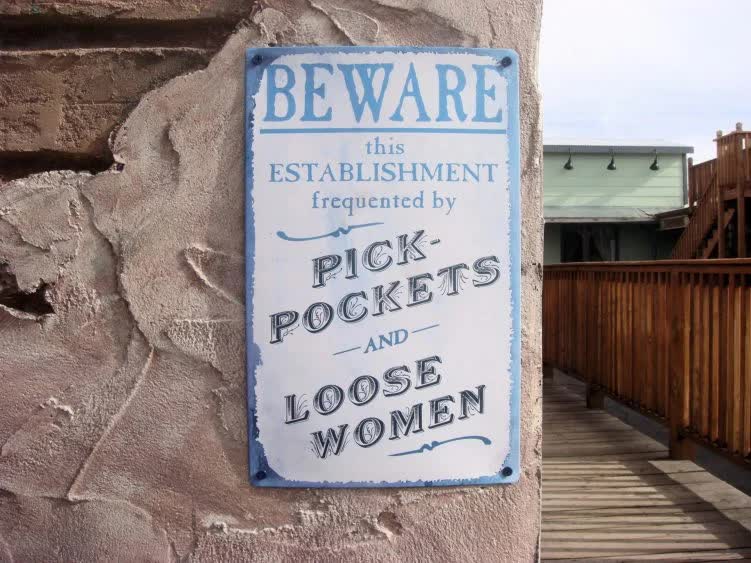
These people ply their trade in crowded tourist spots, so be careful about how you carry your belongings.
They are much more sophisticated than pickpockets of yore who merely slid their hand in a back pocket of your pants and took your wallet.
These days, they are more likely to operate in gangs or at least teams of two — one person will distract you (by bumping into you, for example, or by telling you that you have something like bird poo on your shirt) while the other will cut the strap of your bag and run away or simply take your phone or wallet.
Another scam involves pressing up close to you and ‘dancing’ with you, while removing valuables from your bag or pocket.
Perhaps the most common trick combines the fake charity scams listed above with pickpocketing. It is particularly effective for people sitting at cafes or bars who have their phone or wallet sitting on the table.
Scammers will carry a clipboard or pretend to sell/donate magazines.
They’ll walk over to where you are sitting and hold the clipboard over it, asking you to donate or sign a petition. This will obscure your view of your valuables, which they will pocket. Read More...