Singapore New Home Sales Hit 20-Year Low in First Half of 2024

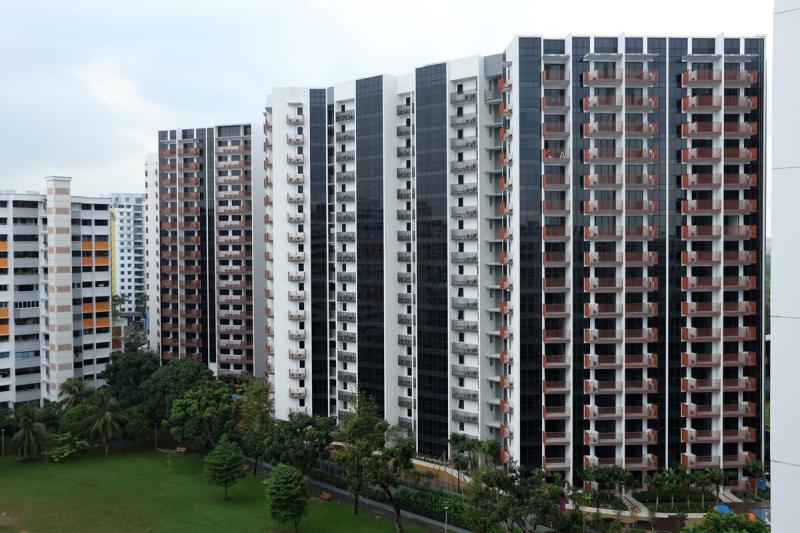
Singapore’s new-home sales have reached their lowest point in at least two decades, with sentiment in the once-booming market continuing to weaken. According to figures from the Urban Redevelopment Authority, developers sold 228 units in June, a marginal increase from the 221 units sold in May. However, this brings the total number of units sold in the first half of 2024 to under 2,000, the lowest since records began in 2004, based on preliminary calculations by Bloomberg.
Factors Contributing to the Decline
- High Interest Rates: The persistent high interest rates have dampened buyer enthusiasm, making mortgage financing more expensive.
- Government Cooling Measures: Stringent cooling measures implemented by the government have further suppressed demand in the real estate market.
- Housing Affordability Concerns: The ruling party faces mounting concerns from voters about housing affordability, especially with an impending election on the horizon.
In response to the cooling market, policymakers have ramped up the supply of private housing to the highest levels seen in over a decade. Despite this, the impact of the current cooling measures continues to be felt.
Brandon Lee, an analyst at Citigroup Inc., suggests that while future decreases in mortgage rates might eventually boost sales, the existing cooling steps will likely continue to impact the market. He notes that potential buyers may remain cautious, waiting for upcoming lower-cost project launches.
The trend of slow sales appears to be ongoing into July, with a recently launched mass project selling less than a quarter of its 440 units in its first weekend.
The current environment in Singapore’s real estate market reflects a significant shift from the boom years, with high interest rates, government interventions, and affordability issues all playing critical roles in the market's downturn. As the city-state navigates these challenges, the response from both policymakers and market participants will be crucial in shaping the future trajectory of the housing market.